Celebration in Delhi, India

This week, my husband, Shabda, leaves for India to co-host the eighty-third year celebration of Hazrat Inayat Khan’s passing. One hundred years ago this coming September, the young Inayat Khan, founder of our Chistia Sufi lineage, left India to bring “The Message” to America and Europe. Both of these events will be celebrated February 5 in Delhi, India. In honor of this journey Shabda is making with many Sufi friends, I am posting an article I wrote for “The Sound” three years ago.

Shanti Sharma

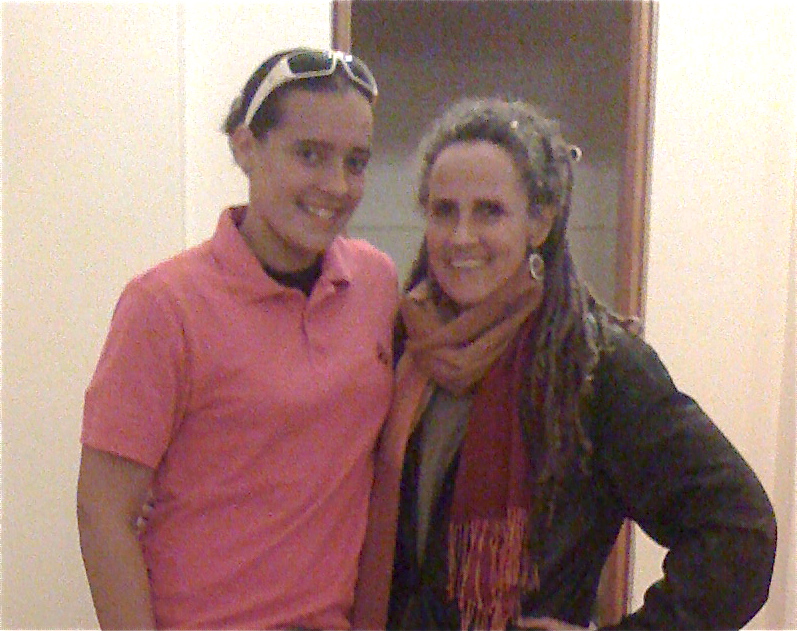
Since then, we have lost our sister Shanti Sharma, songbird of that beautiful time. Salam, Shanti, may you rest in peace!

Pilgrimage to Delhi, 2007 – “unprecedented!”

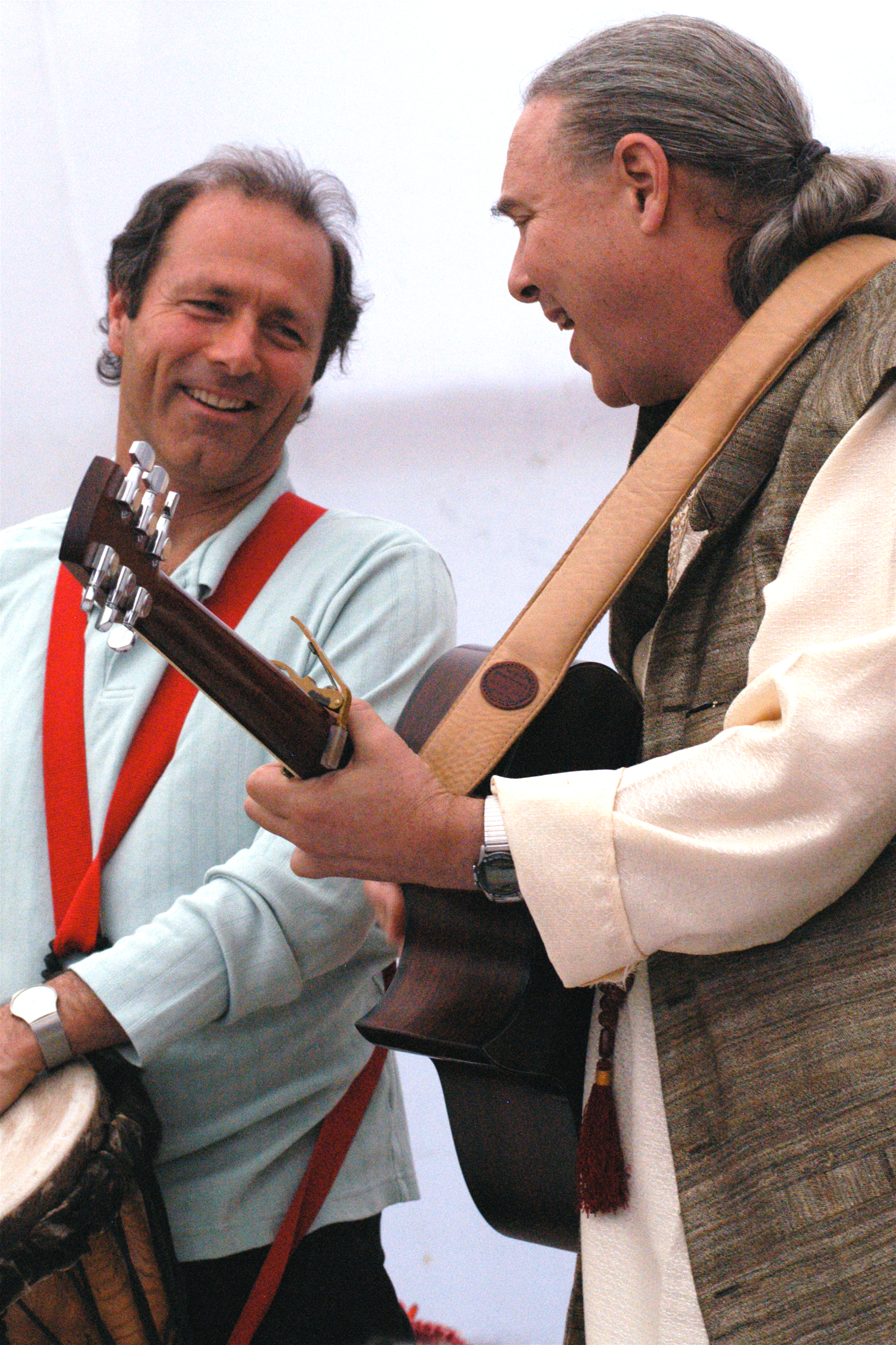
It began to feel like an Indian wedding. Pale lavender cloth stretched over bamboo scaffolding. The entire front yard and driveway of La Sagrita Guest House vanished. White sheets tightened over a dozen rugs that hid the lawn below. We walked out the front door into a kind of outdoor marriage pavilion with sunlight throwing tree and bird shadows on walls of the tent. A vine of large green leaves wound up an inside tree. Light bars appeared on the white ceiling. The small sound system came to life as Shabda stood in the center and tuned his guitar, and Gayan his djembe drum.

Gayan and Shabda

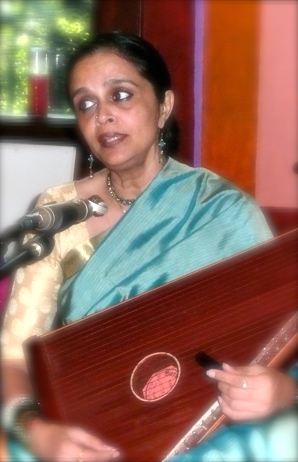
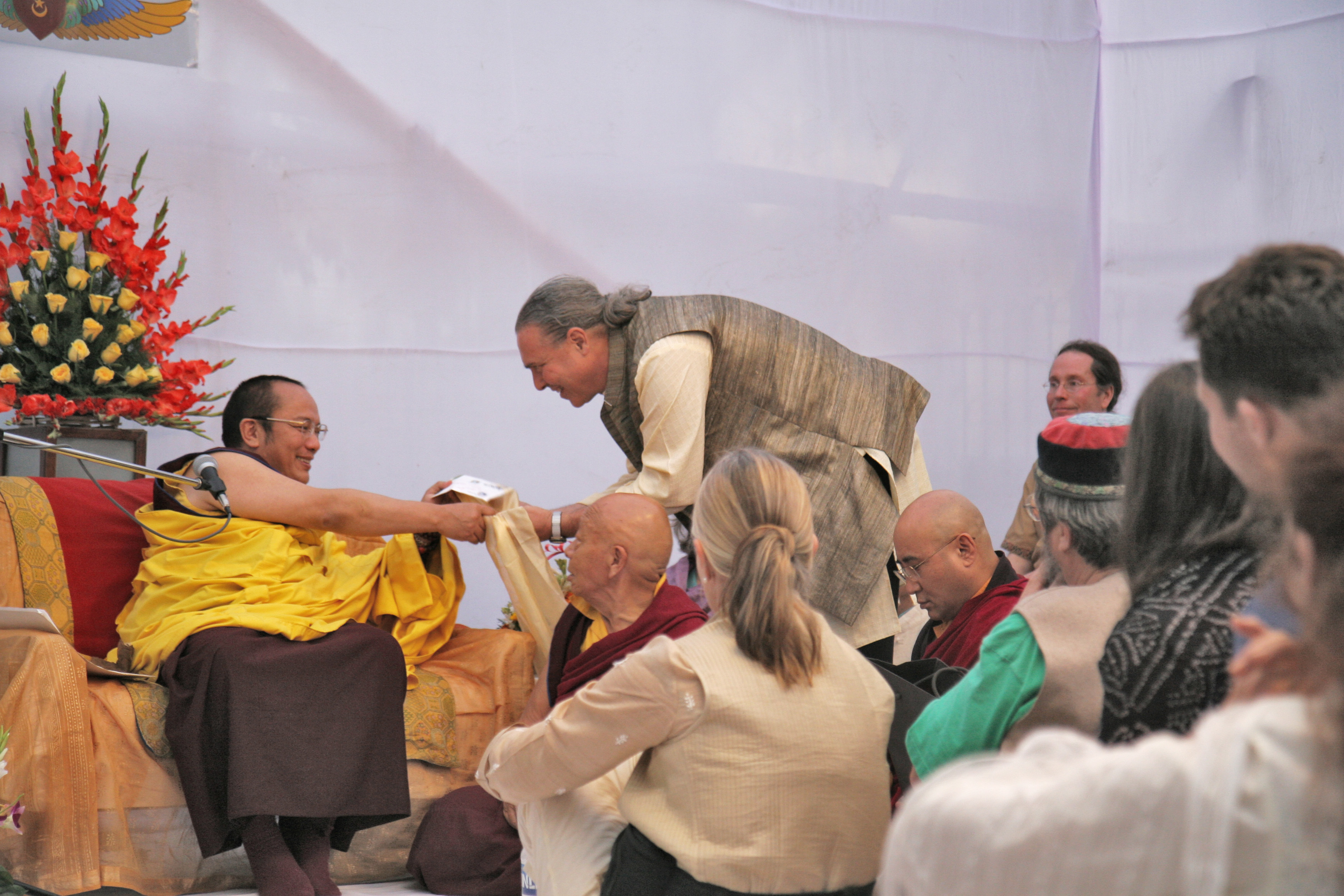
The travelers circled up for the first of the Dances of Universal Peace. There were familiar faces and new ones; seventy-four people made up the India celebration team, at the 80 year Urs of Pir-O-Murshid Hazrat Inayat Khan. This was our dance hall; morning Raga room where Shanti (the master Indian Raga singer) offered early morning raga practice; gathering place where Taj Inayat shared insights, where Shabda indicated what the day might offer and what we might bring to the day; and shrine room where Tai Situ Rinpoche sat surrounded by flowers and said to us that freedom-from-wanting-more comes from (spiritual) practice.

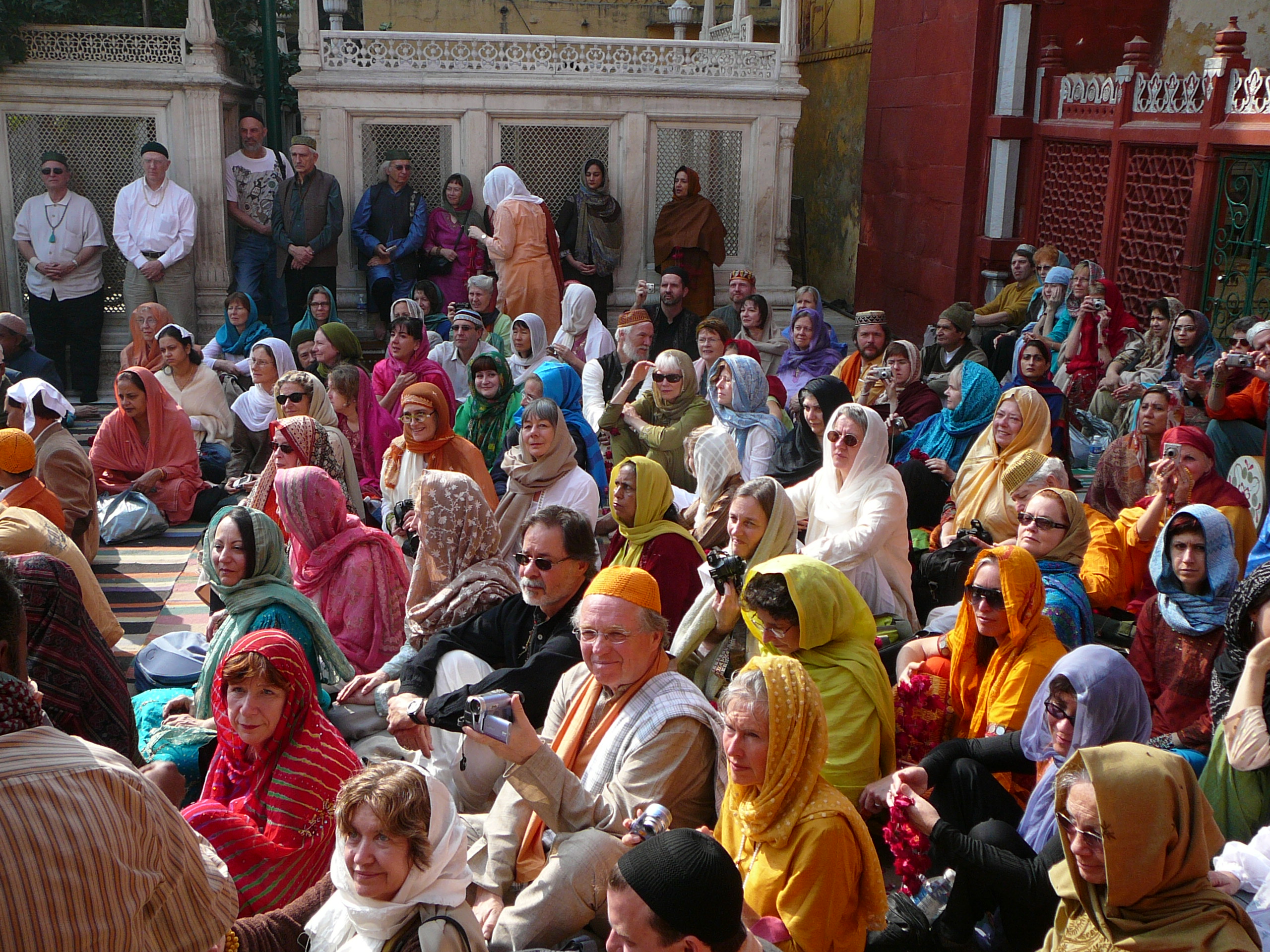
We walked to the dargah (tomb and surrounding area), through the small cared-for park, down the street through Sundar Nagar neighborhood, past the Sweets Corner, and out into fast and hectic traffic and uneven walking terrain. After crossing the last “highway” we were in the “Nizamuddin” world (great Sufi saint), among goats and beggars, barefoot children carrying babies, pan wallahs and slabs of meat; close by the Muslim rose garland sellers, the smells of frying oil and spice. Bright little ones sing-song’d, “Hello, hello!” and after a few days, we passed easily down that familiar street.The stone-work of the dargah, the entrance and the courtyard with its serenity and order allowed us to exhale with a sense of home-coming. We climbed the stairs, left our shoes and placed our foreheads on the rose-scented cloth or cool marble of the tomb. We were here at last, as at-home as we’ll be in India.

Tai Situ Rinpoche

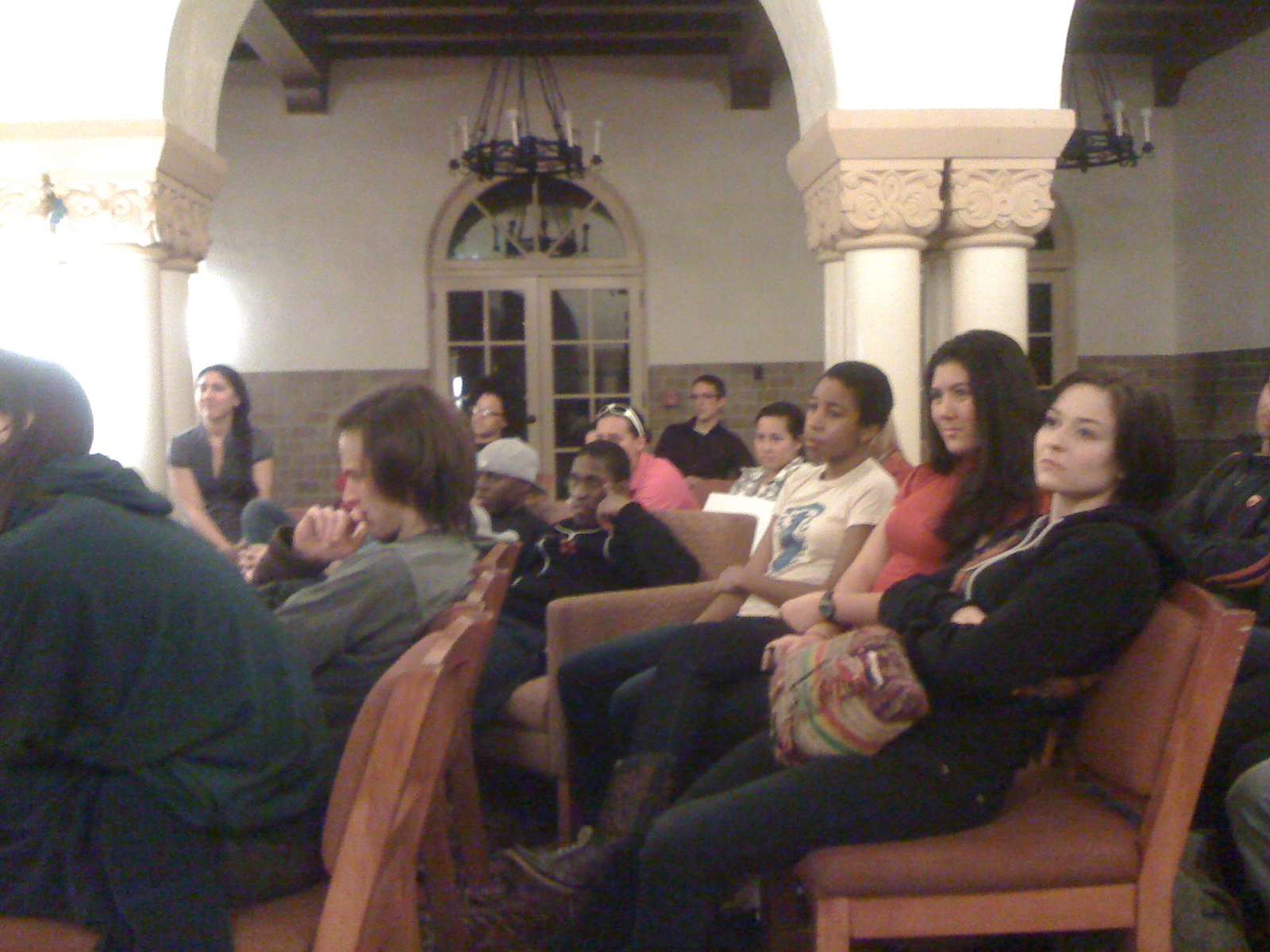
Our program was ambitious. Our group, with Pir Shabda as leader, was host to fifty to one-hundred more Europeans, Americans, and Indians who felt the Inayti connection and came to the Urs to celebrate. A few days later, Pir Zia (grandson of Hazrat Inayat Khan) referred to the program and efforts as “unprecedented.” The concert hall was constantly packed, including the over-flow room and the outside chairs.

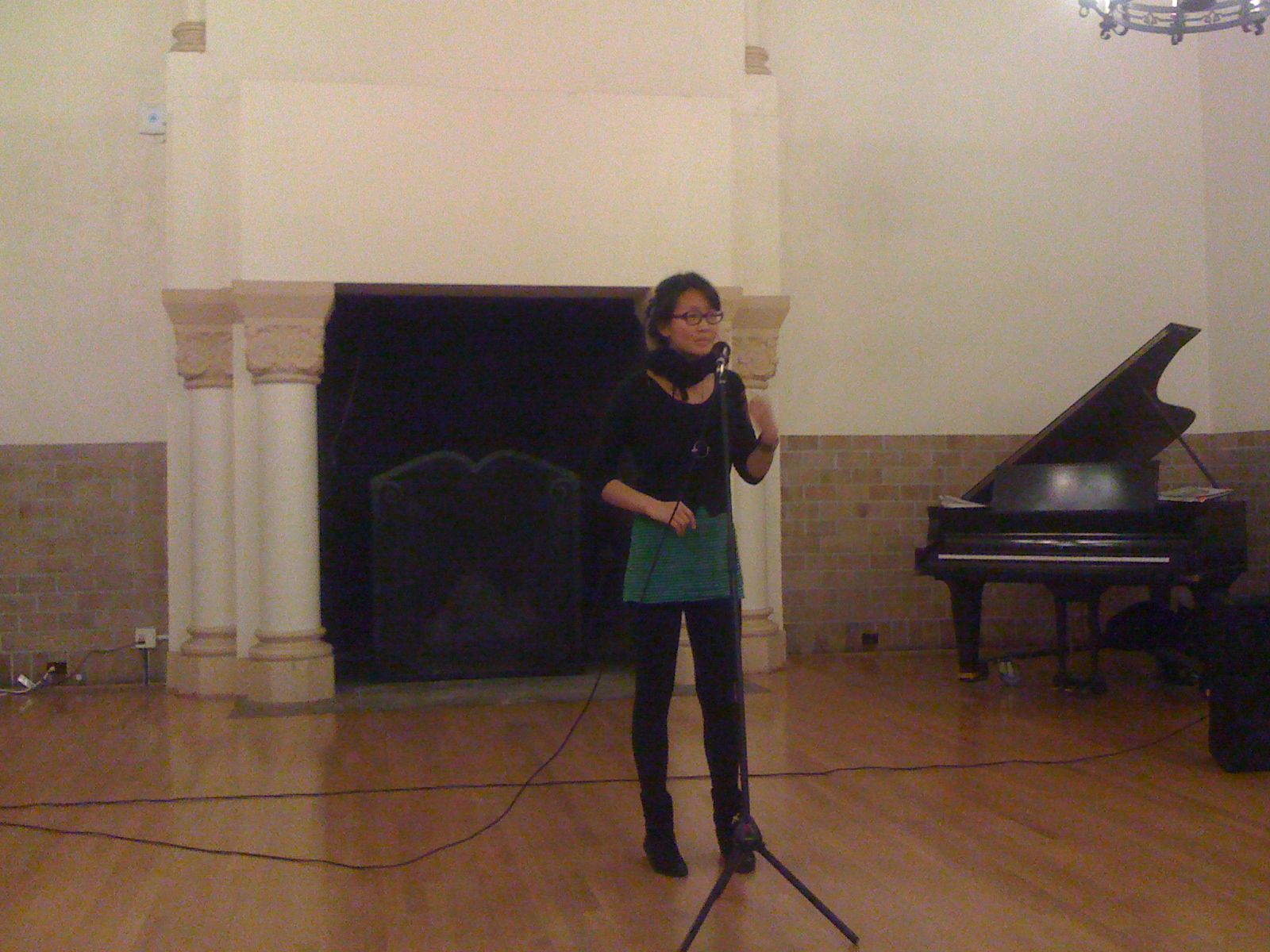
Our old friend Karunamayee opened with devotional singing Saturday morning. Sunday night closed the musical events with with Shri Bahauddin Dagar playing Rudra Veena accompanied by the stunning pakawash drum late into the night. Shanti gave a moving vocal concert. There were eight master musician concerts in two days.

After a weekend of concerts came the day of the Urs, or “wedding day,” the anniversary of  Hazrat Inayat Khan’s passing, February 5, 1927. We gathered at the large tomb area of Hazrat Nizammudin Aulia on a beautiful warm sunny morning.

at Nizamuddin

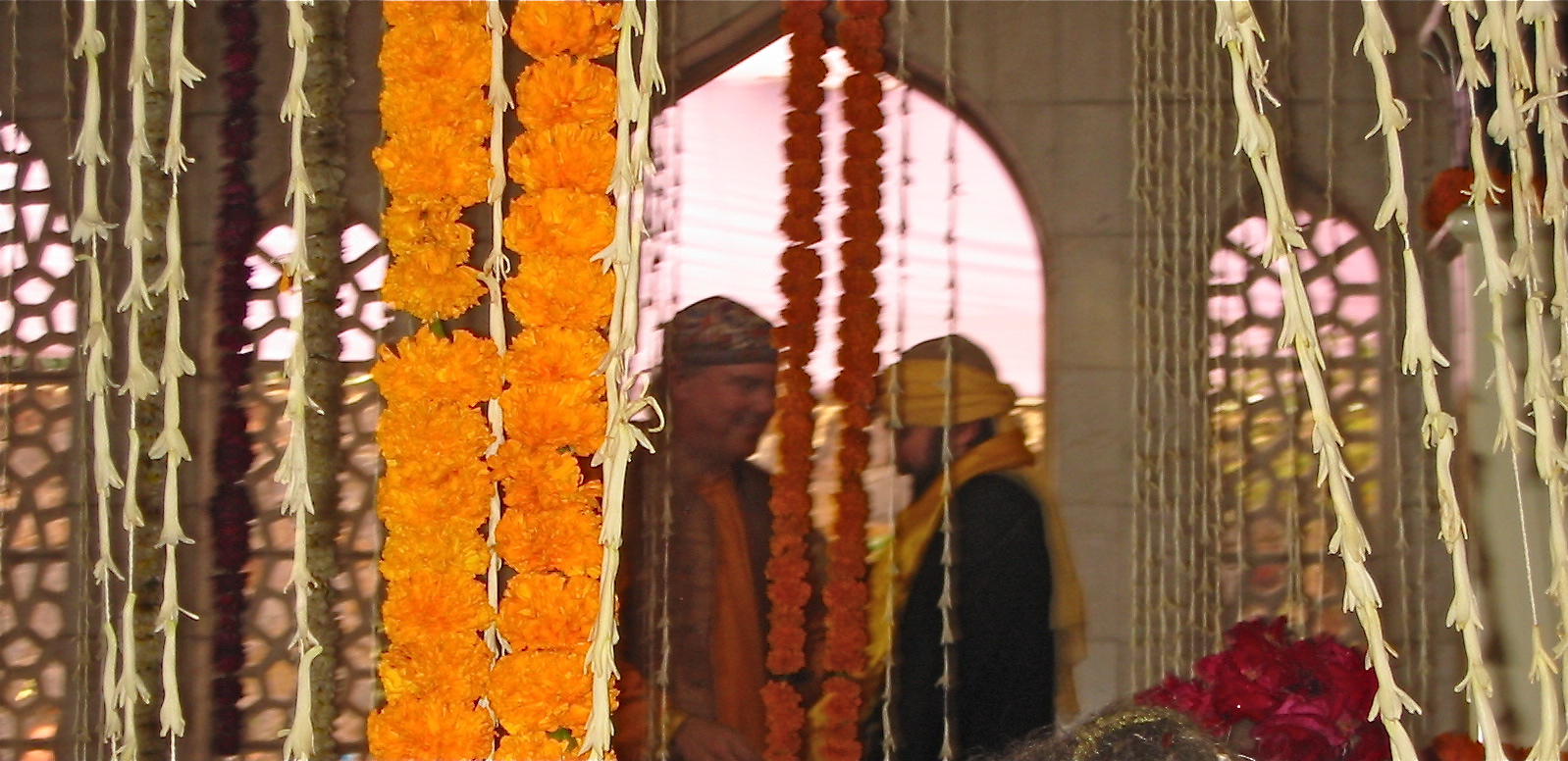
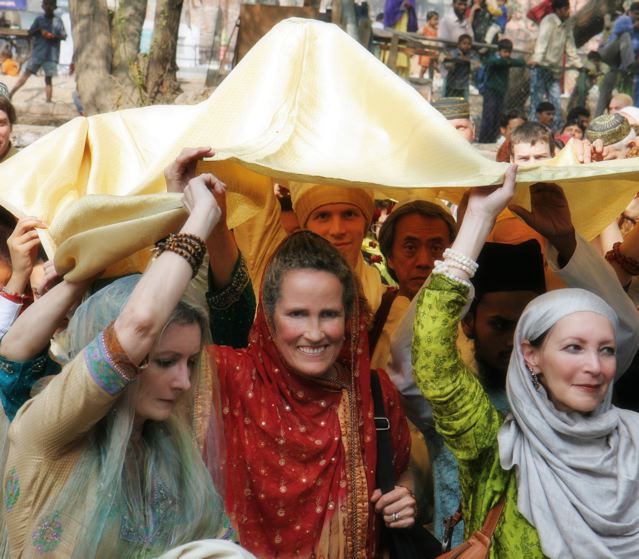
Pir Shabda was joined by Khawaja Hasan Sani Nizami, Pir Rashis ul Hasan Jili Kalimi, Pir Zia Inayat, Pir Sharif Baba, and Murshid Shahabuddin Less, Murshid Nawab Pasnak, and others. There was a strong women’s presence, with Dr. Farida Ali, guardian of the Hazrat Inayat Khan Trust advising Taj Inayat and myself what was the proper adab for women in a Sufi ceremony.The area, called Nizammudin, is open to devotees from all over India, as well as those who were there for the celebration. The qawwalis (dargah musicians who offer spirited devotional songs) began to sing, as they have for many years, and sweets were offered to all.  <>  Soon the Fateha (verse from the Qu’ran) was recited, the chaadar (cloth tomb cover) was blessed, then it was lifted and Taj and I each held an edge as the chaadar-carrying procession squeezed through the narrow lanes of the dargah onto the street while following the qawwalis to Hazrat Inayat Khan’s dargah several blocks away. Soon it was Taj, myself, Zuleika, and Zarifa in the front. Traditionally, it was a man’s privilege to lead, so we felt exhilarated breaking new ground. At the dharga steps, a European man darted in front of me to take the right corner. “Excuse me,” I said, “this year the women are leading, please step behind!” Shabda joined us and we placed the beautiful brocade cloth on the tomb, under the strings of marigolds and tuberoses. The qawwalis sang on, followed by a beautiful short kirana style vocal concert by Shabda, some words from Pir Zia and Taj, and finalized by everyone joining in Hazrat Inayat Khan’s sung zikr.  <>

<>   That afternoon, Khadija Goforth led a luminous Universal Worship service. After a courtyard meal for two-hundred or so devotees, we celebrated with Dances of Universal Peace in a long double oval just in front of the entrance to the tomb. Mevlevi dervishes whirled inside by the tomb. It was an amazing and fulfilling moment where Murshid Sam’s family brought music, dance, and joy in great measure, and many were carried by the wave of “love, harmony, and beauty.”

Like all beautiful Indian “weddings” this one seemed to go on and on. Tai Situ Rinpoche changed his schedule to come back a second time, Saraswati and Zuleika wowed us with beautiful dance performances, The Hope Project and The Memorial Trust school children performed theater and music. At the end, it began to rain.

Taj teaching

Taj opened her last morning talk with, “It’s good to see your bedraggled, glowing faces.” She went on. “How do we live a life that characterizes Love Harmony and Beauty? …You are the embodiment of the answer”. Her words were the small piece of cake we took away from the wet tent on careful plates, certain that we would hold the sweetness of this celebration for now and time to come.

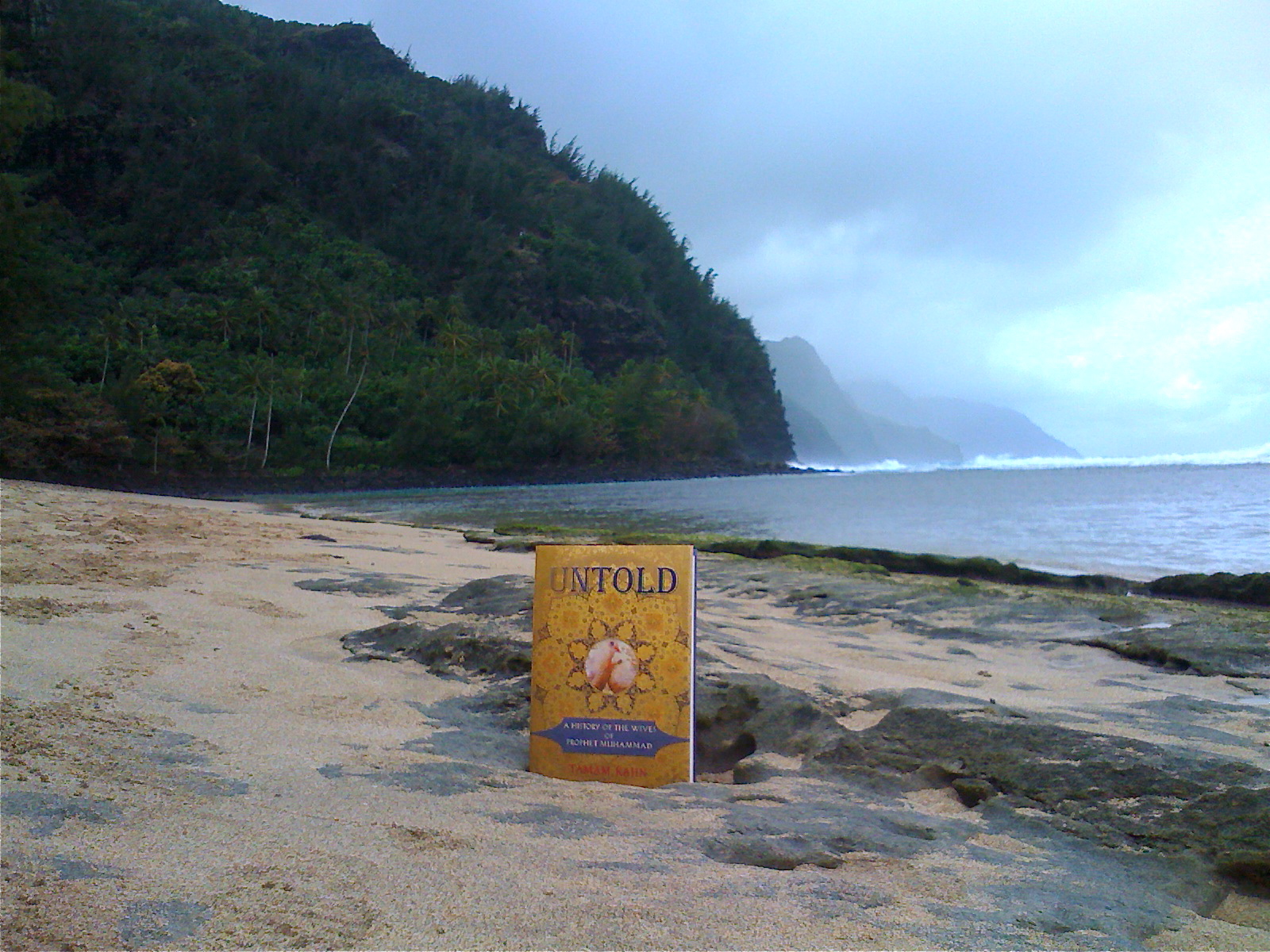
Aloha Untold!

I am staying somewhere on the bluff above Hanalei Bay in Hawaii. The book has taken a much needed vacation after all the drama and hard work around it’s arrival a couple weeks ago. There was the signing and shipping, the readings, the E-mails and phone calls; bookbookbookbook.

Hanalei Bay

So I’ve followed it here to a place with untold numbers of birds and tropical flowers – but  no bookstore….. Lucky for me Shabda taught a retreat here last weekend and I had a ticket. Now the job is to keep each shiny volume from  dampness, sand or fading from the sun. For those of you that are thinking, “Ah, the easy life….” just know that I return

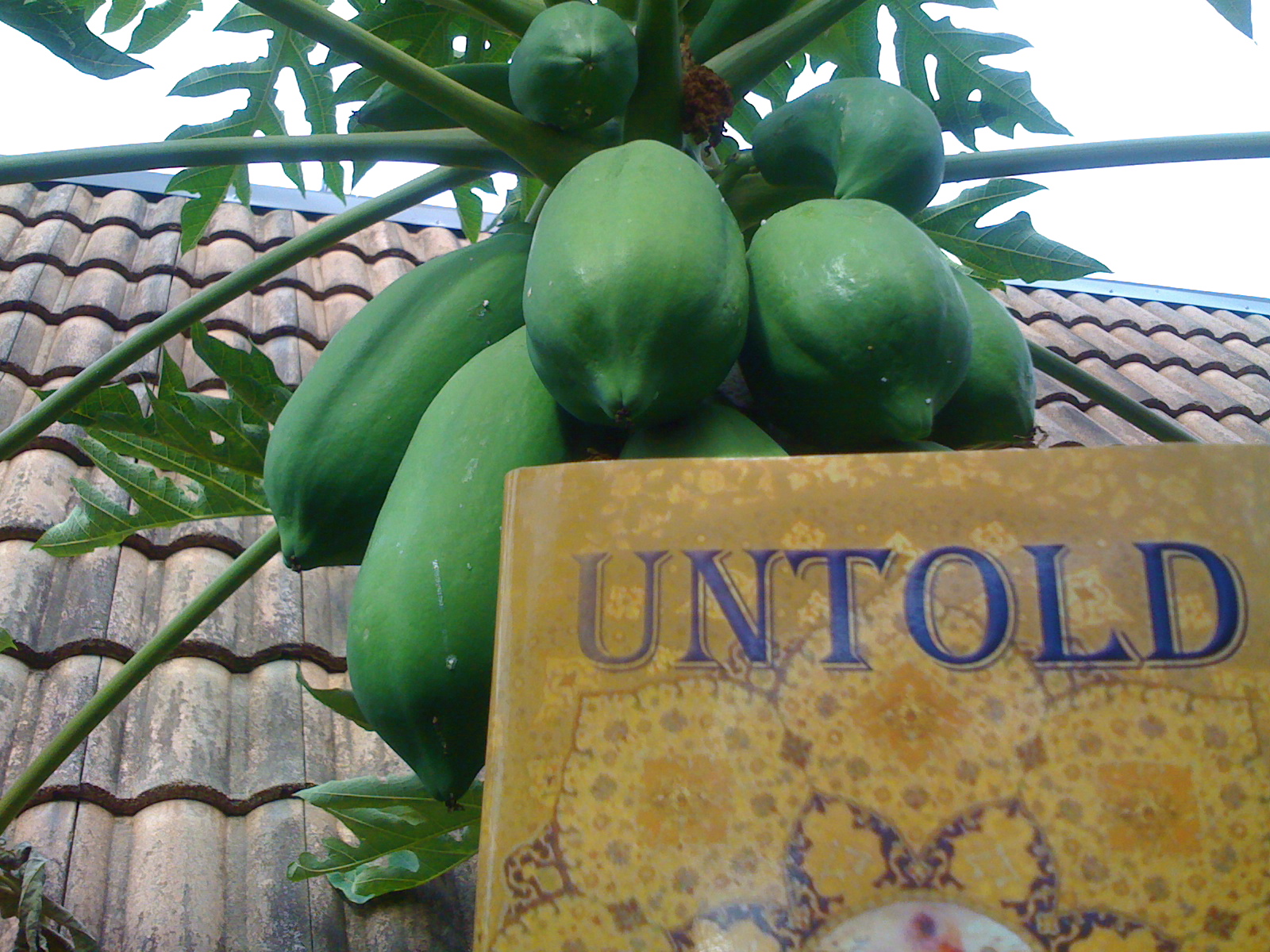
book and papaya tree

to the business of books, and so do these untold volumes of words. Soon it will be all about promotion and merchandizing, planning and E-mails and those endless small corrections, the mind clutter of planning and doing, so be happy for me and these books-on-holiday.  After all, for any poets reading this,  it will be a good while until I will be writing poetry again. So in the mean time here is Matthea Harvey, who writes wonderful prose poetry!

From Word Park by Matthea Harvey

CHOCOLATING made it half way across the country, hopping from schoolyard to schoolyard in a convincing coat of mud, and last week VERYING was spotted hiding in the wake of a ferry. One watcher got a picture before the authorities harpooned it. In the photograph the water is bluer than blue.


<><>     <>     <>     <>     <>     <><>     <>     <>      <>     <>     <><>     <>     <>

“Untold” is here!

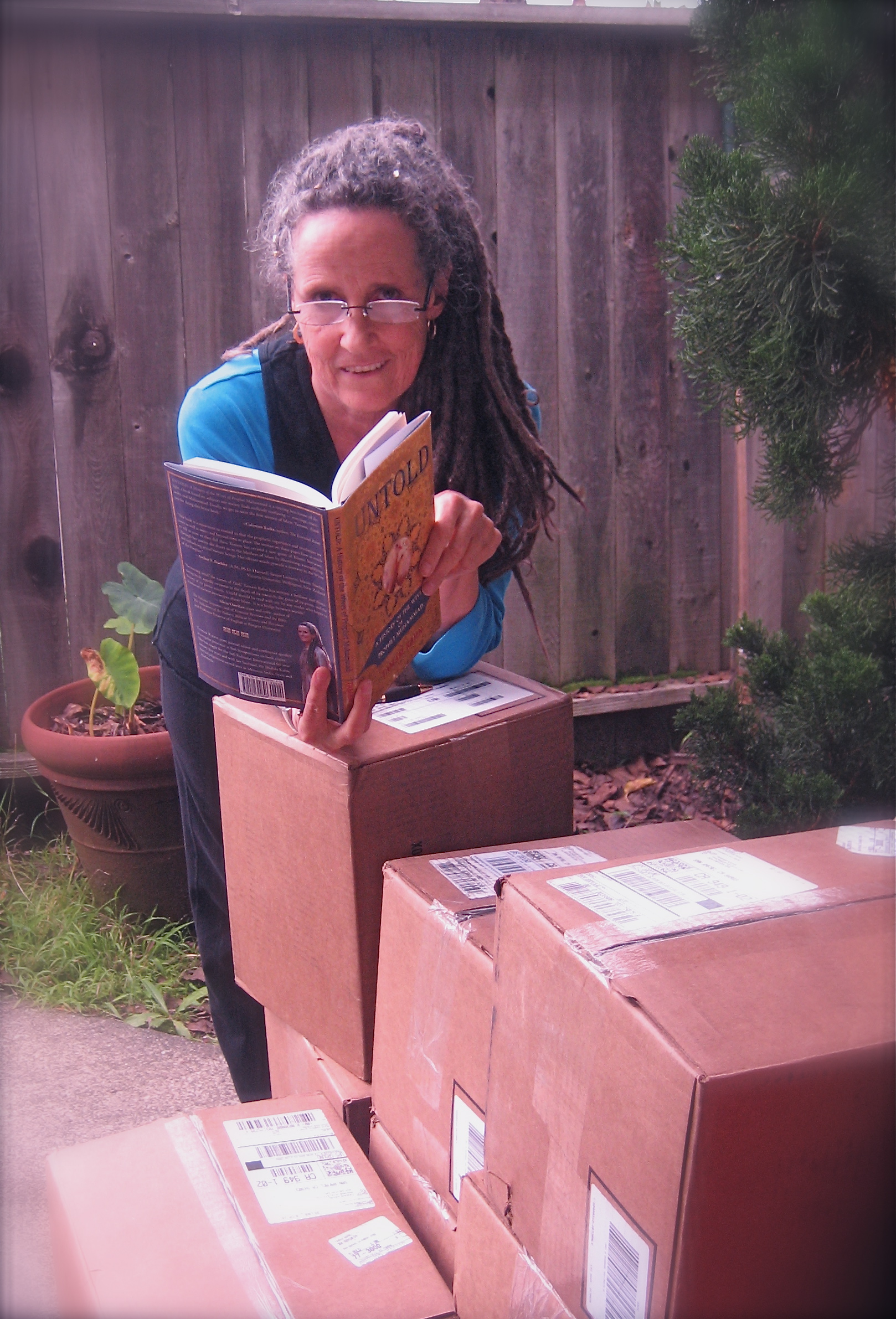
On Wednesday at 3:30 the UPS driver rang the doorbell and three of us opened the door, Kyra, Rachel and me. There was a pile of fourteen boxes almost too heavy to lift. Kyra cut the tape and lifted out the first one. Untold, A History of the Wives of Prophet Muhammad, had arrived. Beautiful to look at and  just the right size. Rachel had printed out the paypal orders – except for international – and I practiced signing various greetings on yellow lined paper. By the time I arrived at the retreat at dinner time, the experience felt more real to me. The manuscript had strangely turned into a book, and I was invited to read from it at the evening program. It felt like falling asleep in a bluebird costume and waking with the wings and body of a bird.

People seemed to believe I am an author and asked for signed copies. Lots of copies. Now  the retreat is over and I will send out more book orders in the next few days. In case you want to have one, here is the information for ordering: http://tinyurl.com/yawrm2u …I’m still amazed.

<>      <>      <>      <>      <>

thoughts while on retreat

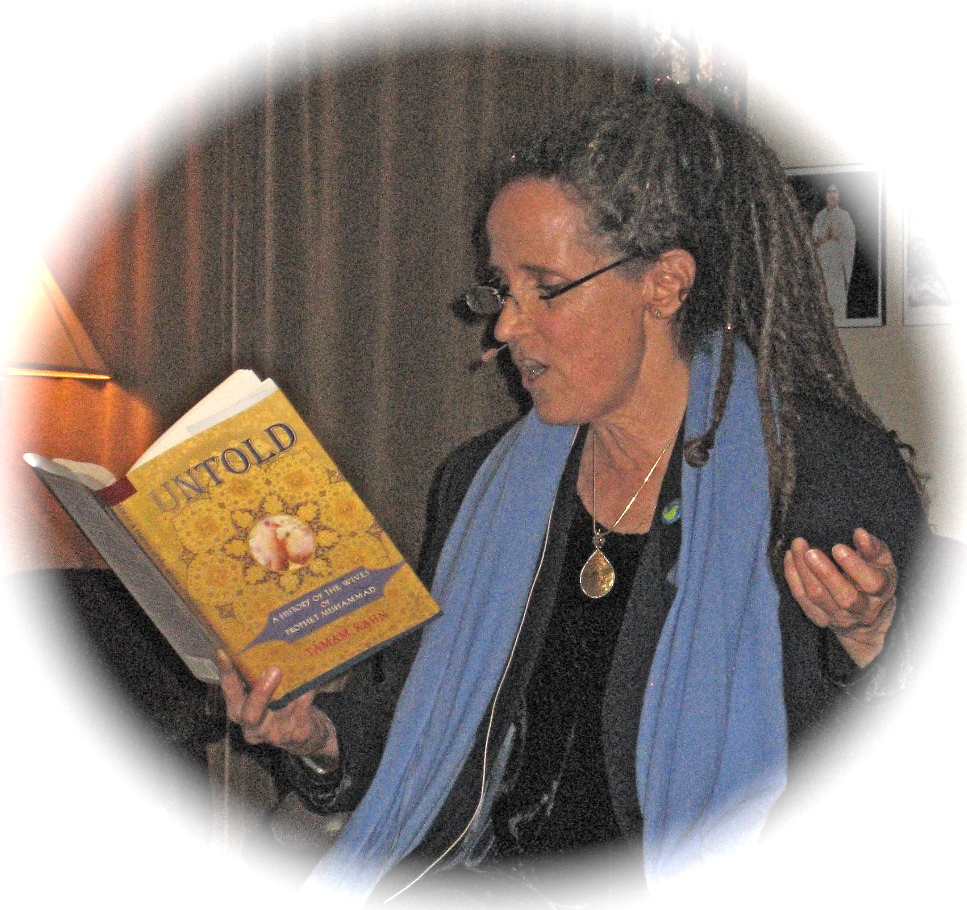
I am on a short break from a ten-day meditation retreat. An “aha” moment  occurred that seemed to tie in with my forthcoming book, so here it is: The term Jahiliyya seems to apply here. When I begin to still the mind over several days, a primitive part of the ego begins to arise and demand attention. In every-day life this is generally suppressed as inappropriate, or anti social. It is the root of the “me me me!” impulse. Add cultural encouragement and a healthy infusion of camel-riding machismo and you get a sense of early seventh century Arabia. From Untold: A History of the Wives of Prophet Muhammad...

There is a term for the time before Islam, which is often misunderstood. Jahiliyya is known as the “Era of Ignorance,” although brutality, arrogance, and retaliation are more faithful to the Arabic. Muhammad’s approach was one of mild manner, calm deliberation, and gentleness, known as halim, an attribute of Allah as well as an antidote to this kind of attitude and behavior:

instructions for Jahiliyya

…the jahil, a wild, violent and impetuous character who follows
the inspiration of unbridled passion and is cruel by following his
animal instincts; in one word, a barbarian.
Ignaz Goldziher

Know you are right.
Think fist and knife-edge.
Do not appear
foolish, no matter what.

Control your woman
and your guests; keep them
a little afraid, and thankful
for your protection.

Guard your clan’s
honor. Carve a notch
on your weapon of choice
for each successful pay-back.

If someone calls you animal,
smile and answer — lion,
hyena, crocodile, fighting cock—
the meek are the pack animals of the ferocious.*


* Jahiliyya is an important term, usually mistranslated as “the time of ignorance,” instead, Ignaz Goldziher argues, He sees it as barbarism, not ignorance, citing halim (mild), not ‘ilm (knowing) as the opposite term. He quotes an old Arab proverb: The meek is the pack animal of the ferocious (al-halim matiyyat al-jahul.) He devotes an entire chapter of his cited book to this subject.

From the lexicon:  Ha La Ma (Ar. root) means, “to dream, muse, reflect, meditate…” hilm means gentleness, patience, discernment. halam can refer to the nipple or teat, the opening to the source! And more about this from Imam Bilal and Wali ali Meyer in their Wazifa Project: “Al-Halim is tender love, gentle and kind love.  The tenderness of al-Halim is physical, emotional, and nurturing.”

<>     <>     <>     <>

Two Poems from “Untold” on Umm Habiba

Watching Her

A loud — ha!
shows the gap in her teeth,
and a smile so big her eyes
are drawn to slits.
Here in the small room
where the women crowd,
there are stories to tell.
“You may believe this or not…”
She laughs.  Her belly bounces.
She shifts the weight
of bulky breasts and hips
this Umm Habiba,
who wears soft
light cloth that covers her
like clouds over a mountain.
Her head’s wrapped,
in a length of Abyssinian
textile, burnt orange and ochre
that favor her skin, and when she walks she sways,
a boat in weather.

She smells of musk and amber.
She spills out of this poem.
Tear up her picture, let no image last,
forget what she might say.
She made some jests
but no one wrote them down.

<>     <>     <>

Exile

i. Foreigner in Aksum

Imagine how it chafes, the lost
Arabia, her cousin’s gab gone
too, her husband’s vanished touch —
gone, her favored niece, her housecats;
she misses even the desert heat.
She stands for late night prayer,
although God offers her no solace.
She kneels alone in the insect din,
the monkey screech, the hyena chuckle.
In the jungle there are more
than imaginary tigers —
how fast they take a goat, a child.

ii. keep the faith, do good works…
and [hold to] patience in adversity.[Q.103: 1-3].

Here, local women have a hand-on-hip look,
visible without the hand, without the hip,
and talk a cockeyed talk she never caught
but she could understand her husband’s taunts.

When umma families died, completely gone,
and when her angry daughter turned
her eyes away — my mother, phagh!
she understood a need. Then
did she set out remedies,
those tiny jars of salve and scent,
the ones to ease the rub and itch of exile?
Did she fast and keep the faith?
Did her mouth taste of Allah’s word
until at last she heard Medina call?

iii. Plant a tree

After the orchids, the dress,
the wedding words, the feast, the lion on a chain,
she might appear holding the kosso sapling,
the tree that flowers with ten-thousand stars
and sets its roots in earth. She would have helped
to dig the hole. She might say simply:
“God willing, It’s my final day in Aksum.
When the end comes, plant a tree.”

<>     <>     <>     <>     <>

From Untold: A History of the Wives of Prophet Muhammad, Tamam Kahn. Rhinebeck, Red Elixir Press, (Monkfish Books) 2009.

Lots of Lights: meanwhile, I’m waiting…

When my good friend Wendy arrived from Texas the first week in December, I hadn’t a single indication of Christmas in my house. She bough me a beautiful living tree – in miniature, and I sort of looked around for ornaments that were the size of my little fingernail, or a tiny string of lights, the kind that Lego guys would string up – that size. It is still unornamented, but fresh looking.

That was the week that Paul, the publisher, kept hurling my manuscript back with red marked corrections and questions. I’d race through it and Wendy would view it calmly and catch what I missed, while making the kind of soothing murmurs you might use with a jittery pet. I ate my meals standing up – mostly soup that week. This was followed by the final proof or blueline. Then he sent an E-mail that the book – no longer the manuscript ­– had gone to the printer. Wendy flew home to Texas with my gratitude.

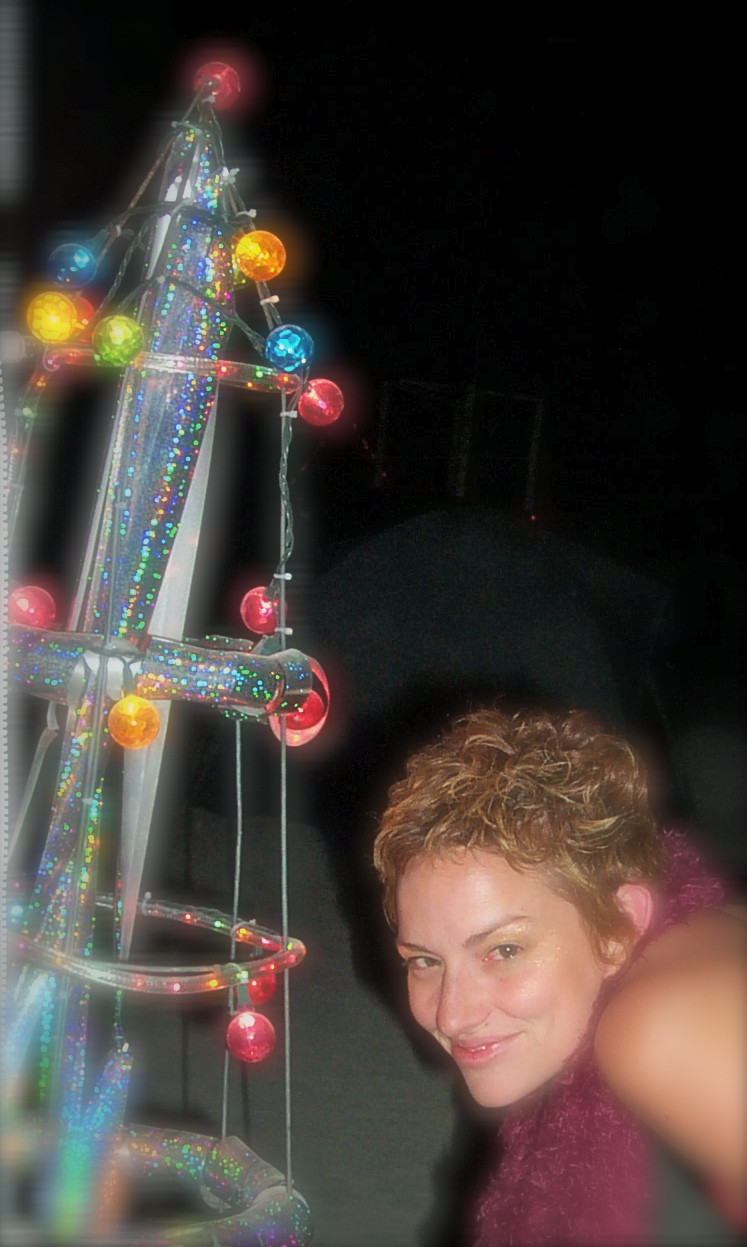
After she left, I remembered my glorious tree of lights, that isn’t a tree at all. I bought it from Vibrata nearly 10 years ago, and took it to Burningman twice, 2001, 2002 in those long-ago years I used to go. I restrung the lights recently and this year added another layer. So here it is, glowing and gleaming, and by next year the tree will have a circle of toys and a toddler, my beautiful granddaughter Oona Beatrix Haggerty.

As for the book that I’m supposed to have mailed out this week, it has not yet arrived. The printer is multiplying it, I’m told. UNTOLD. I think that soon large boxes will arrive outside my door and I will snap into action, stuffing pre-addressed Priority Mail envelopes each with its own $4.95 stamp; then racing to the post office to mail them to the patient friends who sent in their orders a while ago. For now I’m like the girl I saw at the mall today, alone on a bench looking at her phone, and still there 20 minutes later, hoping he’ll call… so her life can begin. He called! Books shipped December 24….

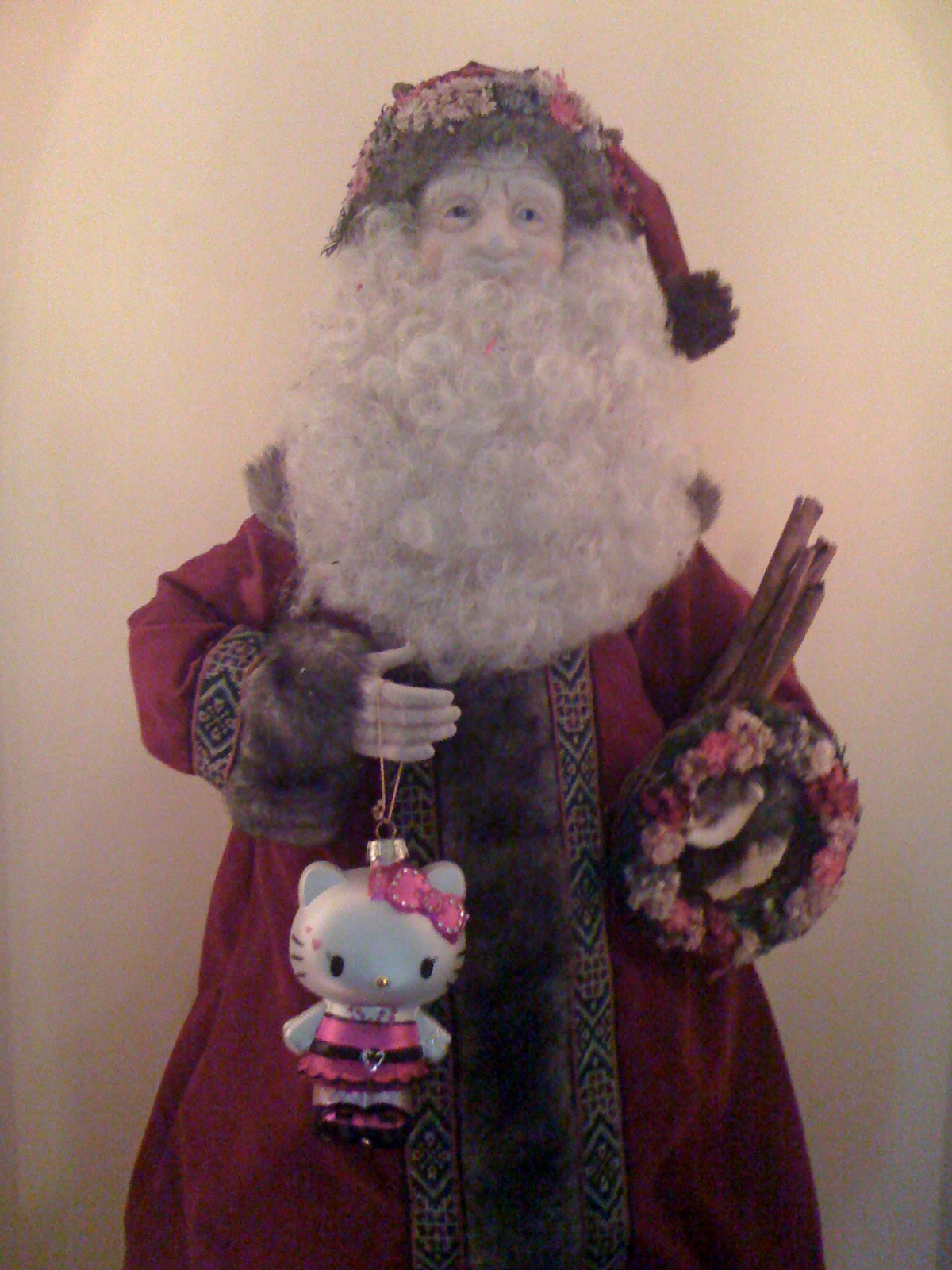
Yes, Virginia, there is a Santa Claus, or as the Sufis say – a Shams-of-Tabriz-‘a-Clause who throws your book in the well, then asks if you want them returned just as they were.  He can do that for you –  or give you the secret of life. You chose.

Shams-of-Tabriz-'a-Clause

<>     <>     <>     <>     <>

Damascus Journal part II

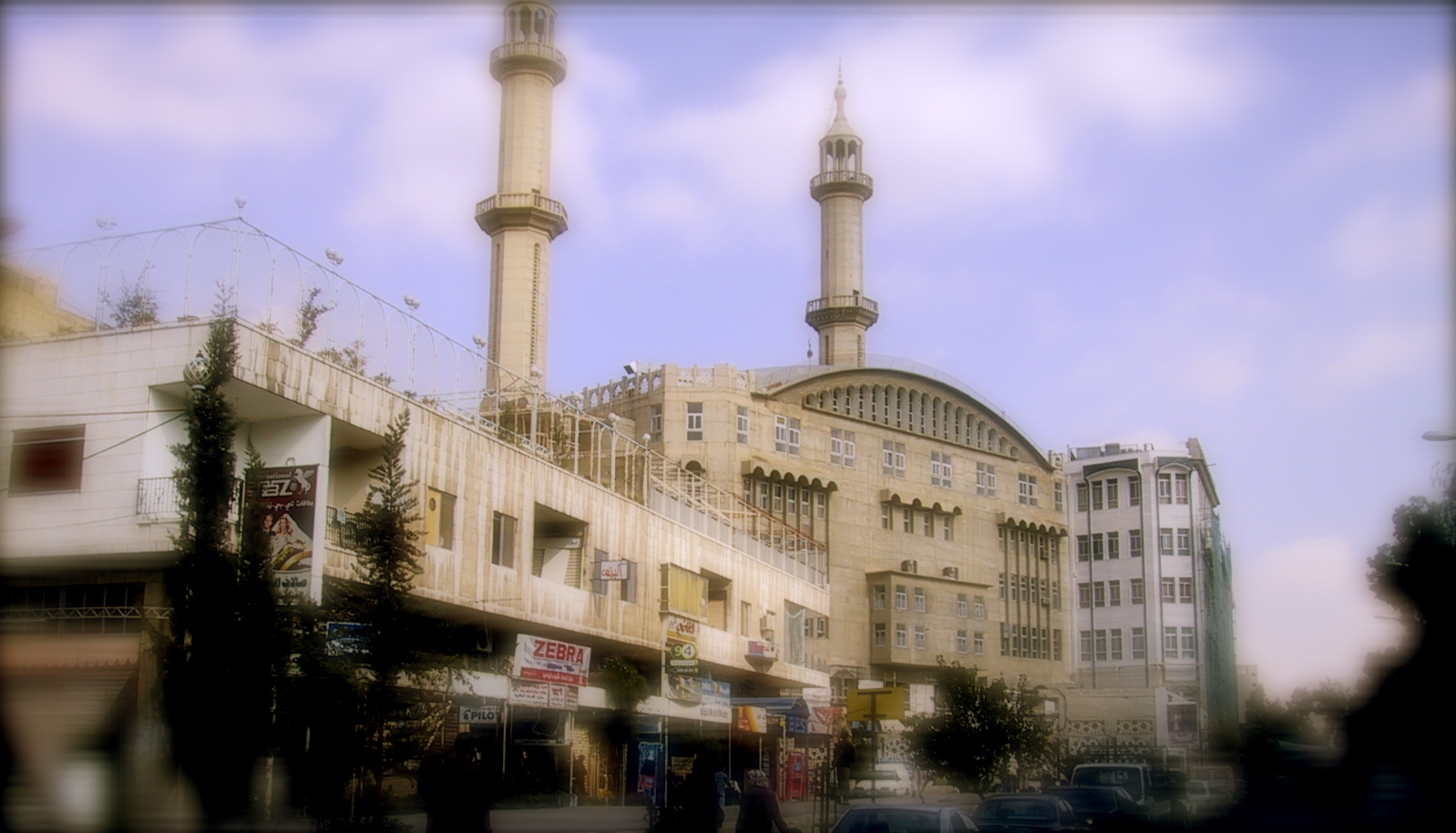
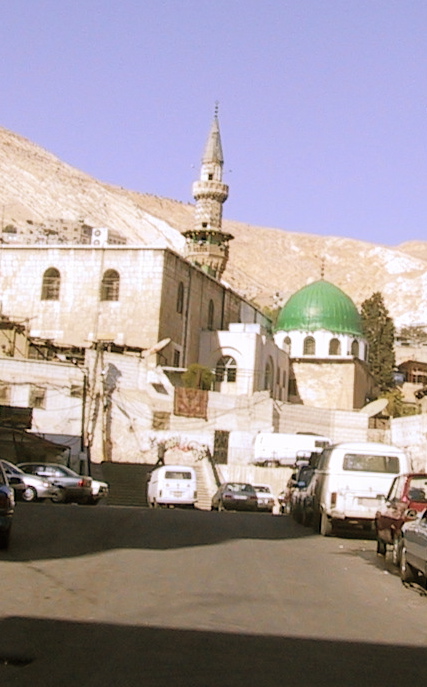
The Abu Nour Mosque, Damascus

(See part I under “November, 2009”)

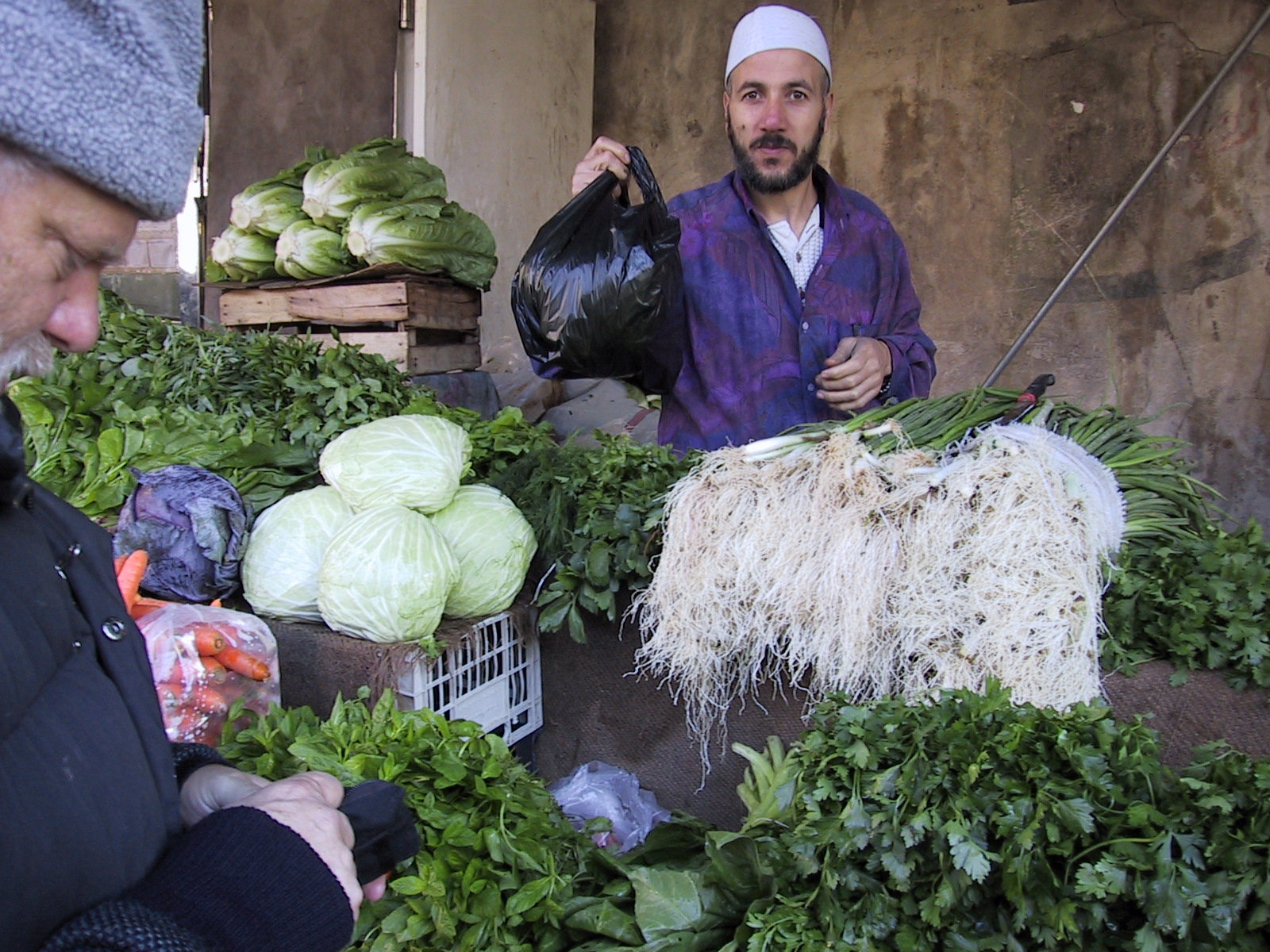
I wanted ordinary street crossing. Cars stop, you cross safely in front of them. Here you thread between cars moving 25 mph or so. Not just the would-be matadors. Everybody. I stood on the inside of a scarf-headed grandmother and stepped when she stepped. We both turned a shoulder to the traffic as it zoomed past on both sides. We found the middle of the street. There seemed less than twelve inches between the hand that covered my heart and the side mirror of the car that passed. I worked on my breath so as to move purposefully, but the adrenalin was pumping and I couldn’t trust myself to be in charge of my limbs.  Reaching the sidewalk was a victory – We’re alive! I’m alive! I restrained the impulse to hug her for saving my life. This scene repeated after I bought 4 bunches of spinach, 2 carrots, 2 leeks and a kohlrabi – all for $.42 from the outdoor market.

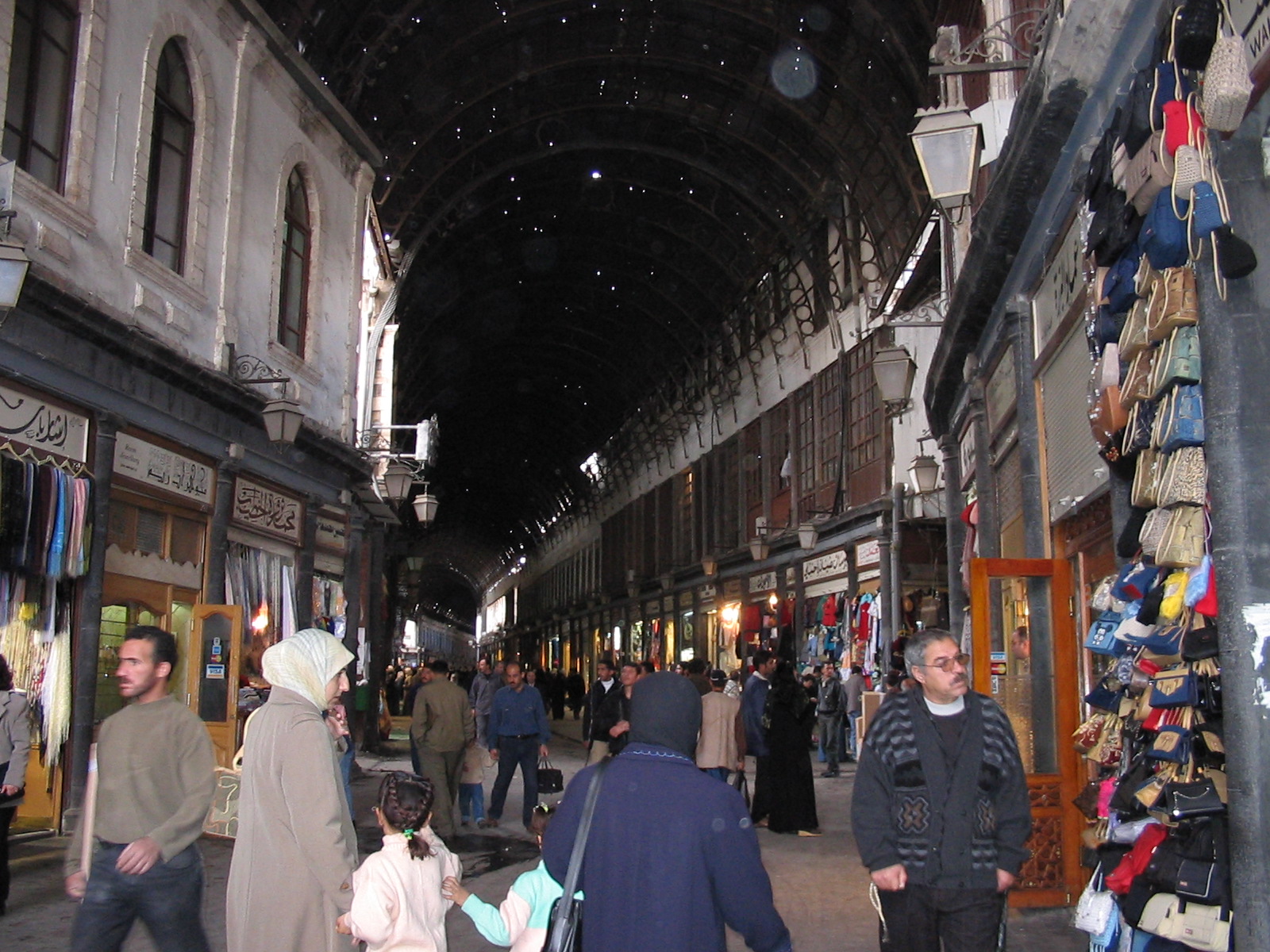
RAMADAN: In the late afternoons I sat writing in my comfortable corner room with windows on two sides.  The hot sun was horizontal, held behind buildings, as all of Damascus focused a swallow of water to break the dry thirst, a sweet date to start up the collective digestion.Taxi drivers were grouchy and impatient (better to walk between now and sunset); Minutes ticked by toward darkness and tables laden with lamb and chicken and steaming vegetables, fruits, cheeses, bread and sweets.At exactly 4:40 on the clock, dusk arrived and a loud canon was fired, somewhere nearby, to signal the end of the Ramadan day. Then began the call to prayer from every mosque: ALLAH HO AKBAR! Tower by tower, green neon light lit up the minarets. Prayer and feasting began. It would have been good to be invited to a Ramadan meal, but it never happened. We’ve been made welcome, but not embraced. There may be anger and suspicion behind the good manners. After all, our government has given this land the humiliating title: “Axis of Evil”. To these people, proud of their history as one of the oldest cities in the world, that’s insulting.In the fast-breaking hours the streets were deserted, shops closed until 8:00 when the shopping began every evening during the month-long holiday. Families with strollers, groups of girls with linked arms, young men in twos – or trailing their large families – turned out and strolled the shops with the intention of buying something. There were sock, watch, and popcorn vendors in the middle of the walking areas. Corn-on-the-cob.  In the souk you could buy a forged damascene sword, beautiful children’s clothing, a hooka, prayer beads and the latest in fashionable covering scarves and modern clothing. I never discovered when the party stopped. By 10 pm I was headed for my room. Business was still open. Then there was a canon at 3:30AM, to wake the city, to give enough time to prepare food and pray and have a big meal before the sun rose.

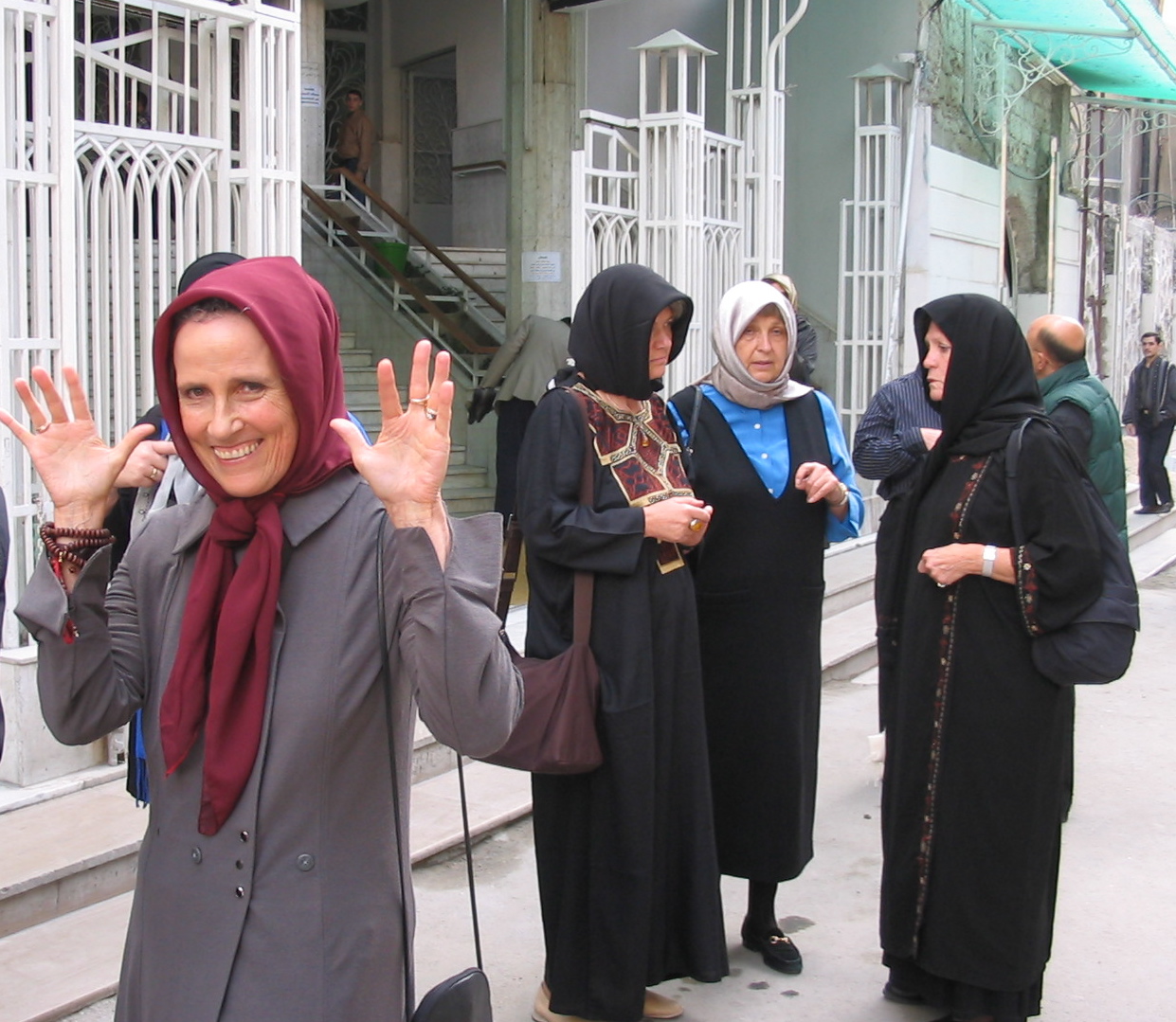
One of the things that made me feel OK about going to Syria was the assurance that we were under the protection of the Grand Mufti of Syria. What a name! Who could that be? The man who received the Pope on his recent visit, had invited us to be guests at the Abu Nour Mosque for the Jumma (Friday) prayers. We were met in the VIP room and given a stunning welcome by Sheik Salah (Dr.) Kuftaro, head of the largest Muslim social service organization in Syria, son of the Grand Mufti, , and a Nakshabandi Sufi as well. He spoke to us with affection: “I can’t say to you  – you are welcome – because you are in your very home! There is a lot in common between each of us.

about to go into the Mosque

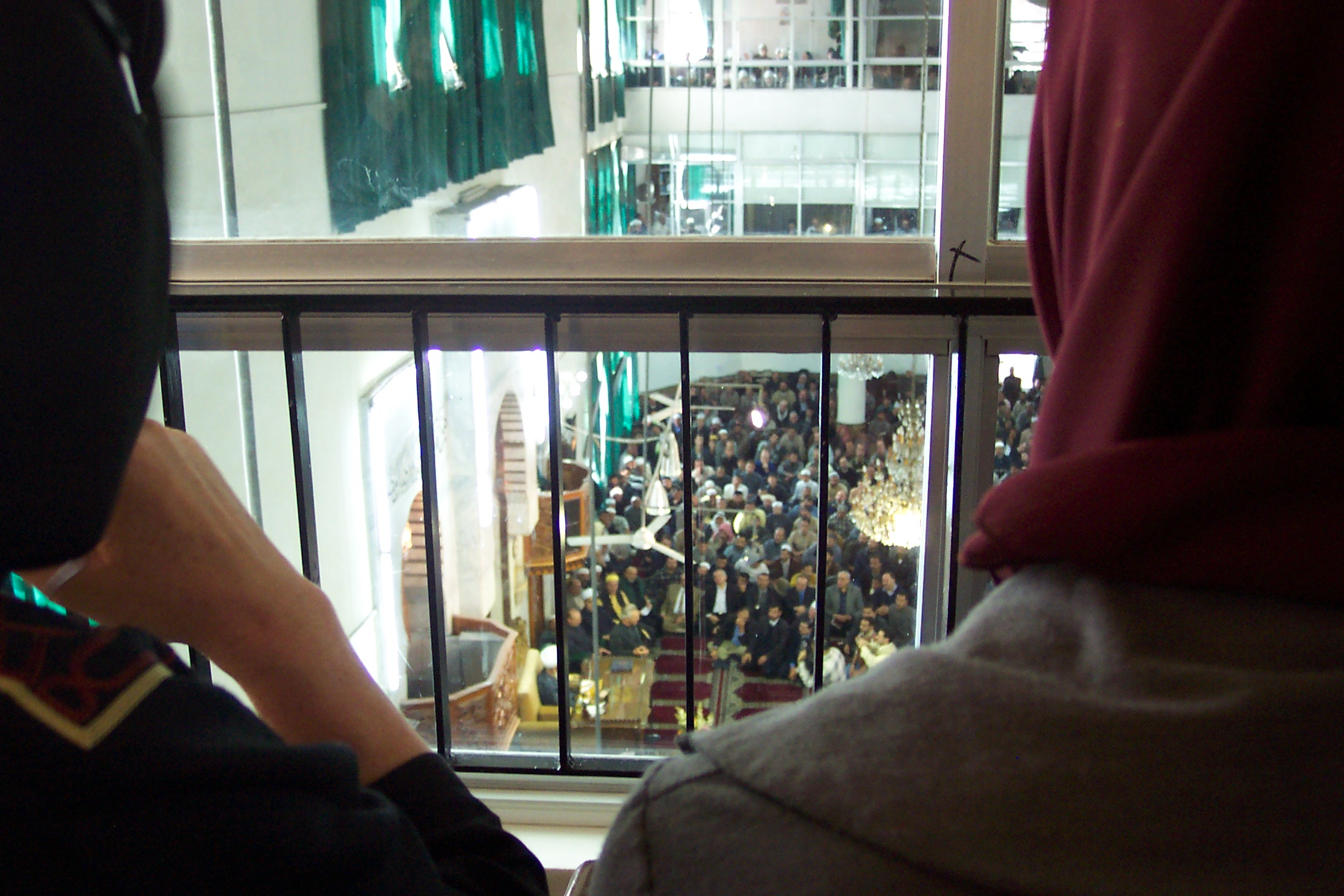
I think the most important thing that joins us is the mysticism of Sufism.” After he spoke, the men were escorted out and joined him on the dais on either side of his father, while the women were led upstairs to a glassed-in gallery with plush chairs and simultaneous translation headsets. The Mufti spoke commentary on a subject from Qur’an, then introduced Elias, our group leader,  to the thousand plus men seated on the vast carpet, 3 floors down from our seats.  I could see him clearly, and Shabda, in his yellow hat and shirt. Elias expressed how happy we were to be there and apologized to everyone there on behalf of the American people.  ~ We have come to break through this wall that is being built between the people of the West and the people of the Muslim world. We have been welcomed with kindness & hospitality even though my country has not been kind in its policy toward Syria. …The simple fact that you receive us with such generosity is a great strength of soul and character that is stronger than any weapon of war. Please know that your kindness is… evidence of living Islam.(The word Islam comes from salaam, and means peace.)

view from the women's VIP seats

We observed the scene and listened to this amazing speech being simultaneously translated into Arabic. I looked around at the faces of the Syrian women near me. They smiled back and nodded. Several of us were in tears. I thought of this as enormous, on the scale of my life-experiences, felt overjoyed to witness this message of peace.

To conclude… to protect our children we must do everything we can to break through the masks that are being painted on our faces.  When we truly meet each other, we will have Peace. Let nothing stop us from getting to know each other. Shukran. (thank you).   It was as if the great mosque had become a table of a thousand candles and the women kept lighting and re-lighting one another as we were led to the VIP area where Elias received an engraved plaque. I learned in Morocco to copy what’s done among Muslim sisters who have prayed together, so I began kissing warm cheeks and quietly repeating: As-Salaam Aleikim.

Elias receives plaque

Since the women are conservative here, it was a strong gesture on my part, but they seemed to appreciate the contact. Wa’leikim As-Salaam, They whispered back.

I want to wake up in Damascus with its 3:30 AM Ramadan canon (fired somewhere near the hotel, in the middle of the city – as an alarm clock!), Damascus with its pedestrian insanity, cheap vegetables and blocked internet reception for AOL. I am fond of our hotel – the Al Majed – where they make special day-time vegetable meals for me, where the fourth floor mysteriously floods at night; Damascus, with  its safe-to-walk-at-night streets; its kind citizens who said to us many times, You are from America? You are most welcome!

Damascus Journal part I

In 2003 I left San Francisco to go on a peace pilgrimage to Damascus. I am reprinting this because I believe it is vitally important to offer positive personal stories about Arab countries.

I thought I heard someone say “terrorists”, but I realized by the context it was “terrace”, something about “the terrace next to the mosque”. That word – terrorist – shocked my nervous system. Nine-Eleven events were not so far away and George Bush was the American president. I told my ninety-one year old mother-in-law that we were just going to England and never mentioned Syria, even when we were there and calling her. It was strange: “Hi. Where? We’re in the countryside near… London”. Our friends and family were somewhere on a scale from worried to frightened that our visit to Syria would place us in harm’s way.  Syria. Number one enemy of Israel. President of the Arab American Institute, James J. Zogby, says in his article in the Syrian Times Nov. 19, 2003: “Having just returned from a short visit to the Arab world, I find the disconnect between the United States’ Middle East policy debate and realities in the region has never been greater than it is today.” he goes on to say that the real struggle is “…over ideas that will shape the U.S. policy debate in the minds of the American people.” For me it is important to communicate the urgency I feel; as if a tall, heavy door between America and Syria is swinging shut. Elias Amidon, leader of the journey, describes a “wall” being built by the U.S.
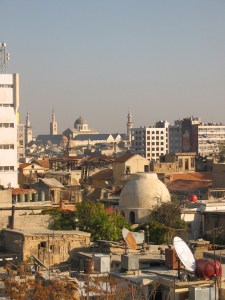
Why go? I went because I had a clear and powerful inner directive that comes from being welcomed by a loving friend or summoned by a great man – in this case a Sufi Master from the thirteenth Century, Sheik al Akbar, Ibn ‘Arabi. That seemed true to both my husband, Shabda, and me, so we went. Several years before this, we led a pilgrimage to Andalusian Spain and Morocco, entitled: In the Footsteps of Ibn ‘Arabi. We visited his birthplace in Spain, and carefully followed his trail to Fez. This was to be our completion phase – for us, and by proxy – for our fellow pilgrims of years past. The master lived his senior years productively in Damascus and was buried on the hill not far from the Al- Majed, our Hotel. I wanted to sit there quietly and sense what I felt. The “quiet” part was not meant to be, but now I’m getting ahead of myself.

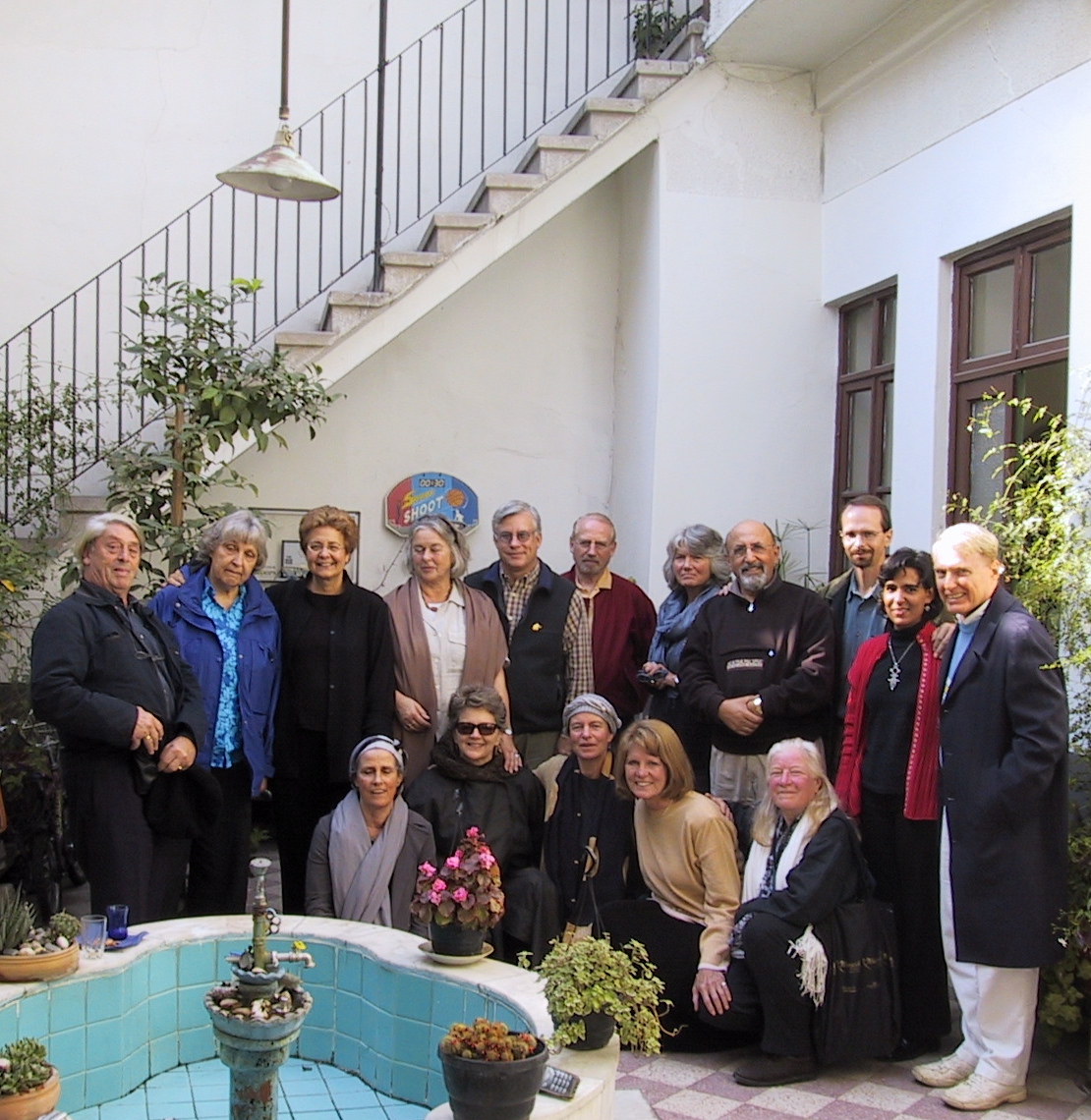
We were here to join 13 other peace delegate pilgrims and our hosts, group leaders, Rabia Elizabeth Roberts & Elias Amidon of Boulder Institute for Nature and the Human Spirit. This journey was their invitation. The pamphlet for the Interfaith Pilgrimage reads: “The purpose… is to provide religious and community leaders, peaceworkers and other concerned citizens from Western countries an opportunity to visit Syria, …to come and listen to Syrian citizens describe their own views…and their visions for how real peace and mutual respect may be established.”

We were instructed to dialog with Syrians: “…how is it for you? What are the worst problems facing Syria?” Rabia & Elias had done this in Bagdad and Damascus in former years, and found that holding ground for this kind of exchange was very healing for local people who feel America doesn’t listen to them or their government.  “We are here to make friends and to listen,” they told us. “It’s a crash course in human trust, after which the pilgrimage comes alive.”
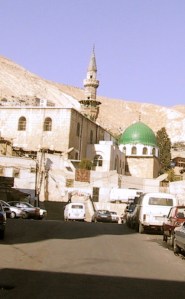
The resting place of Ibn ‘Arabi

I stepped into the unknown and possibly hostile landscape and found that the feeling among Syrians was: You’re from America? You are welcome here! The unsaid part was something like, “We know that governments, particularly dictatorships, have little to do with the people and it seems we both have this problem, so we extend to you courtesy, as you are a guest in our country”.

Janaki from Boulder, Colorado and I teamed up and went to find a Syrian who spoke English. Finally we were led to Mohammad, a young man at a convenience store. He was happy to talk to us, but his boss, a man in his fifties was nervous. We began by saying we were peace delegates from America. Mohammad had learned our language from an interest in computers. He started by saying “OK” or “fine” to our questions. We would have been offered tea by now, but it was Ramadan and he was fasting. Finally he opened up and spoke: “Why do America and Israel need big nuclear weapons pointed toward us? They are so powerful. We are a small country. And why does America support Israel?”

I was amazed that we could have a conversation like this. That it was safe to do so. The names Israel and Jew are such a hot topic that our hosts inferred that neither word was prudent to say out loud on the street, as it would bring immediate attention. Israel is the enemy. America seems to share with that country what is perceived as expansionist goals. I was stunned to learn that 50 years ago Jews lived integrated lives in Damascus but now there are almost none. We listened. We told him it was impossible to understand how governments behave, and that we pray for positive change. At the group meeting there were many stories like ours. Collectively, we had just dropped into a deeper level. This was our work here.
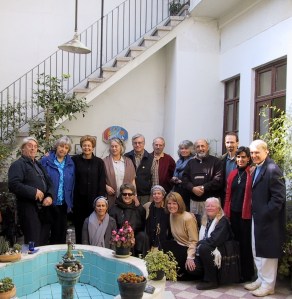
The Peace Pilgrims

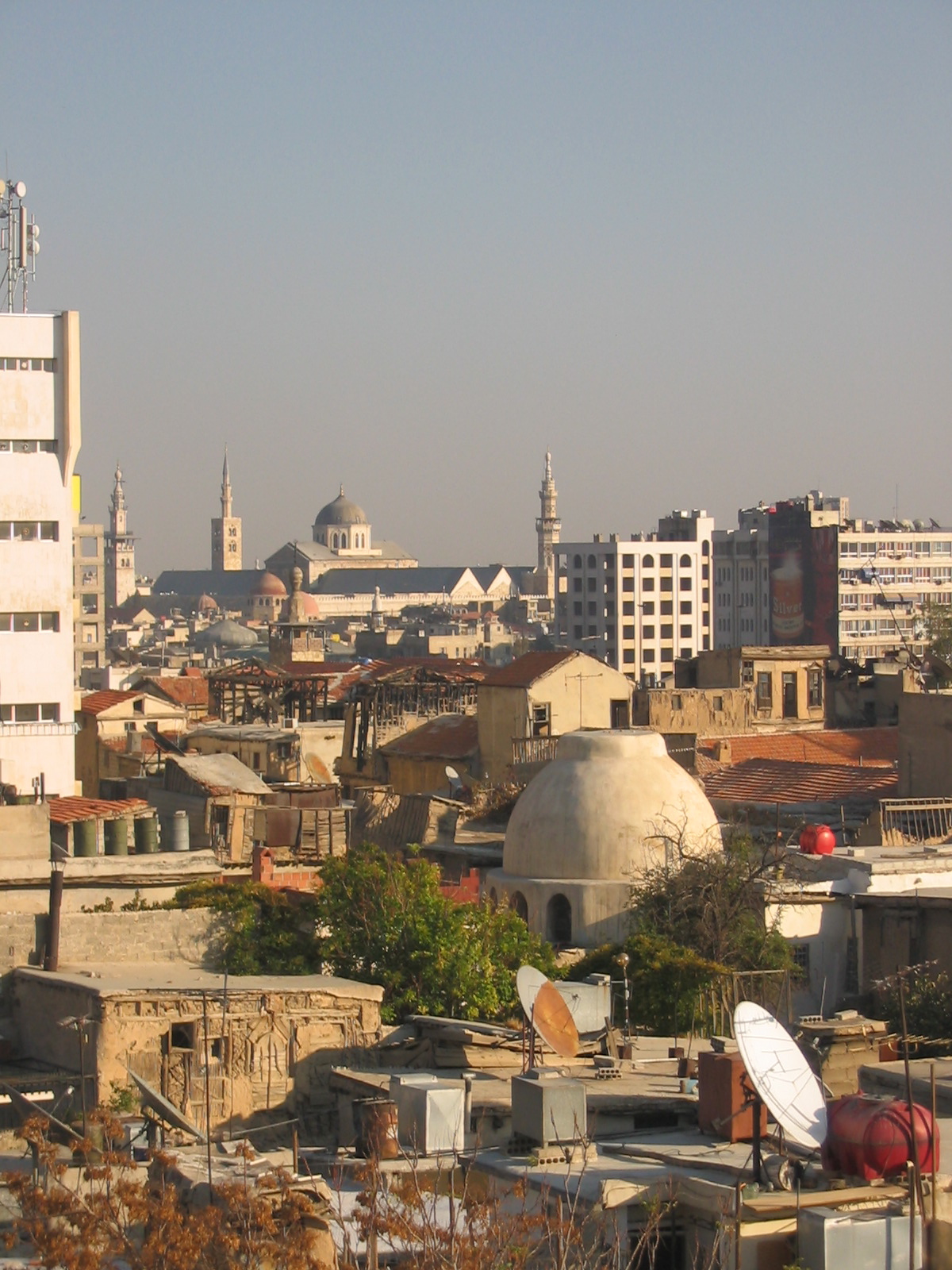
What is the city of Damascus like? It is a vital, attractive city. One hotel has a revolving restaurant on the fifteenth floor. Other buildings go back hundreds of years. Some are crumbling. Not one American tourist. No soldiers in the streets, no beggars or disoriented people like the homeless I encounter in San Francisco. (This was written before the Iraqis poured into Syria as refugees.) The shops are full of merchandise. Streets busy with commerce. Police acting as traffic directors. I saw many women without head scarves and women with head scarves. The best hotel was filled with Saudi oil-men in town to work on a business deal with the Syrians. You could read about it in the Syrian Times and the Daily Star in English.

The day I did get to Ibn al Arabi’s tomb it was nearly noon as I came in with the women from our group. Five or six local women were there. A green curtain divided the room from the larger men’s side. I was thrilled to finally arrive, and silently touched my forehead to the rug for a minute or two.  “La la! “[no. no!] someone poked me and mimed with gestures that I needed to praise and be happy, not emotional. My face showed no traces of tears yet my behavior was somehow not appropriate. I’d come thousands of miles to put my head down here in this spot. What a discovery. I was in a country where woman’s emotional behavior, it seemed, was being censored by other women, most likely because it was not safe to stand out in word or action. Two of them spoke urgently in Arabic. One was writing me a note. What was going on? I don’t speak or understand modern Arabic. I asked for a Qu’ran and began to recite Sura Ya Sin, (chapter 36)  “Heart of the Qu’ran”.  As I recited, I struggled with the Syrian style of text, as one of the women corrected my mistakes. I began to notice her reading was completely uninflected, the way you would read if you wanted to escape notice. I had a more traditional pronunciation of certain letters like Qaf and Ayn (Arabic letters). I was taught that this tells that you’ve had a careful education. I felt gratitude for the years of insistence by my Arabic teacher to squeak the ayns and squeeze the pharynx for the qaf. They seemed happy with me now. Sura Ya Sin was giving me a moment of dignity.

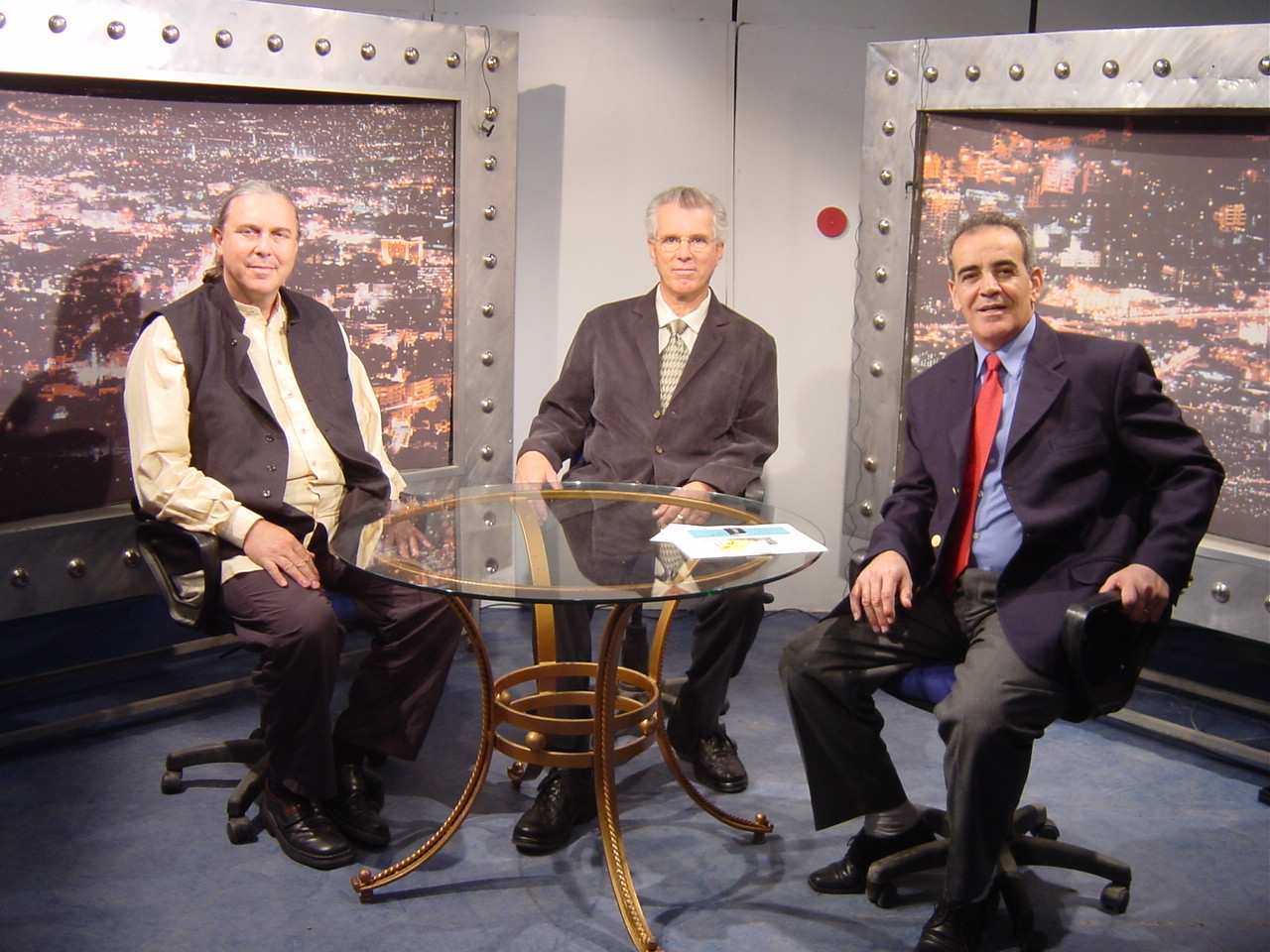
Shabda and Elias had recorded a television interview with a prestigious commentator, for a weekly show called “Focus”, not unlike 20/20 in America. The group was at a monastery north of Damascus when it aired.
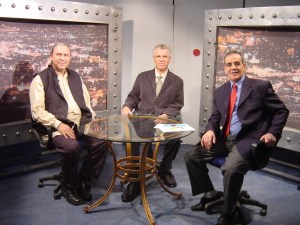
I was in my hotel room waiting for the show, watching live TV footage from Mecca. The phone rang. “Mrs. Kahn? This is The American Embassy calling. We are evacuating all American citizens from Damascus tonight. Can you be packed and ready to leave in one hour?” After the words were repeated my full attention was with that voice on the line! I said that I couldn’t leave because my husband wasn’t here. I was thinking, ‘God, he’s going to be on national television, I can’t miss that!’ “Never mind your husband, we need to get you out”, continued the voice. “How do I know this is the Embassy calling. I’m going to check with the hotel desk”. I answered. The caller played his last card: “We will have a helicopter waiting on the roof…” I’d seen the roof. I was suspicious. “B, is this you?” Happy laughter was the response.  It was the hotel manager, who was keeping a protective eye on me since I was in the hotel by myself. Syrian-American comedy hour.  Strangely, his show of bold dark humor made me feel more at home here. I’d faced the unspoken boogey-man, and it transformed into laughter.

The Most Amazing Library I Have Ever Entered:

The next day B chuckled when he saw me, very pleased with himself. He was sitting at the computer that is located in the center of the lobby. He pulled up a chair for me, asking what I planned to do today. “Type this in,” I said. “It’s my web site”. “YOU have a web site?” He was stunned. “It’s because I’m a writer. It talks about  my work.” I told him about research on the Wives of Muhammad. He was on his feet. “But you have to go to The Al-Azhar National Library. I’ll take you there at once!” He told me if we left immediately, he could get me there and pick up his son on time from school. He must have decided I was a kind of celebrity, with a husband on television and my own web site.  He was at my service. The library guard looked at my passport for a long time.  He talked to B. Finally I passed through the iron gates into a vast modern building like an urban American Museum. Three floors, two large spiral staircases, fountains that created a mushroom shaped lens of water off a round pedestal. Reflections of the sky danced on the water’s skin. Unusual art hung on the walls: a plaque with the world’s first alphabet, cuniform pressed triangles from Ugarit, fourteenth century B.C.  Impressive.
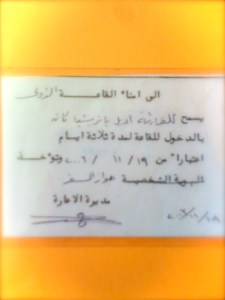
My Library Card!

I located an English-speaking librarian who was amused by me;  with my headscarf (disguising my dreads), my inability to speak Arabic, my American passport, the books I was searching for – anything on the wives of Prophet Muhammad. There are no tourists from America, and it was off-season for Europeans. I was sent in search of the library director, Mr. D. Mazen Arafe. His office was at the end of a long hall. I smiled, “Salaam Aleikum, do you speak English?” He was seated at a big desk, looking at me. “Francais.” he replied. I really wanted my own library card with its Arabic version of my name. Words poured out in awful broken French. Success! I went to the reading room and ordered whatever I could find in English. I’ve laminated the card.

End of part I
Tribute to Larry Halprin 1916-2009

l

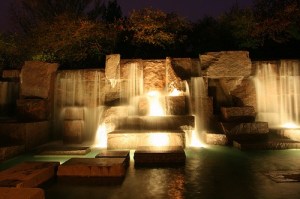
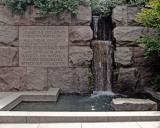
FDR Monument designed by Lawrence Halprin

The passing of Lawrence Halprin covered half the front page of the SF Chronicle today. There were many color photos of his architectural creations. My heart goes out to Anna, Daria, and Rana in their loss. Years ago at my sister Wendy’s house I had a conversation with Larry about the creative process. I didn’t know him well, but since his daughter, Rana, was in my art class I taught at Urban School, I had taken the class on a tour of his architectural offices in San Francisco. This was the late 1960’s and his firm had created Sproul Plaza at UC Berkeley, and was working on Ghiradelli Square and Sea Ranch and many

other noteworthy sites.FDR Memorial

Maybe it was the intensity in his voice, or his charisma – or both – but the words he spoke are still with me. “If you want to create using objects, space, and the environment, which is what architects do – be a sculptor. To get anything built, you need to be a politician.” He had just gotten the FDR monument approved, after years of working on it. “How was that?” I wanted to know. He said he had gone to Washington and sat on the grass at the national mall and contemplated what a memorial to FDR might be. He let me know that quiet time was a vital part of the process. A few years later, I was in D.C. with my eleven year old son, Solomon, taking him to visit Uncle Willy, my senator uncle. Larry’s words were still with me, but there was no FDR monument, and as we walked over to the Air and Space Museum, I remembered that conversation. I wouldn’t have seen the construction, on the narrow strip between the Tidal Basin and the Potomac River, flanked by cherry trees, since we stayed on the rectangular green between the Washington Monument and the Capital.

33403469.P9030227

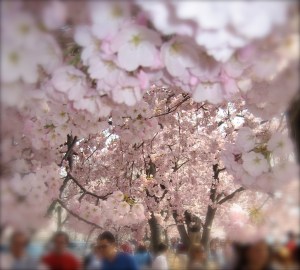
The time line of this project is impressive: approved in 1978, construction began in 1982, and (according to the SF Chronicle) it was completed in 1997. What a long, long time to hold a concentration! I remember watching a news special that year and seeing the FDR Monument unveiled, and an interview with Larry. I was stunned by the nearly two decades that had passed since he spoke to me about it. Then, years later (2006), in the city for my uncle’s memorial, I walked the tidal basin with my older son, Ammon, at the peak of the pink blossoms. I stood upon those terraces of stone, with trees, statues, falling water and pockets of quiet space. I would have liked to go back at night, but never did. His wife, Anna, said after his death, “He always wanted to do the most magnificent, uplifting thing he could. He strove for the ideal, and nothing less.” <>               Rest in peace, Larry.

IMG_0019_2<>     ~     <>     ~     <>     <>     ~     <>     ~     <>     <>     ~     <>     ~     <>

The Sound Journal

star header with text

The second On-Line issue of The Sound Journal is up at thesoundjournal.org  [See link at the right] <> The theme is Balance, and there is a good variety of offerings including some words from Jane Hirshfield, a Middle Eastern Odyssey, a joyful music video, Fine Art, poetry, and Sufi commentary on Balance. Kyra Epstein and I worked hard on this issue, with a nod to the scales of Libra – now departed – as we gallop toward Halloween. Check it out! <> <>

The Sound Journal invited Scott Cilmi to share two beautiful paintings with our world community. Scott is a Bay Area painter who is featured by the prestigious Cohen Rese Gallery on Sutter Street in San Francisco.

Scott Cilmi "Affirmation III" 48'X48' mixed media

Scott Cilmi “Affirmation III” 48’X48′ mixed media