The South: On The Road

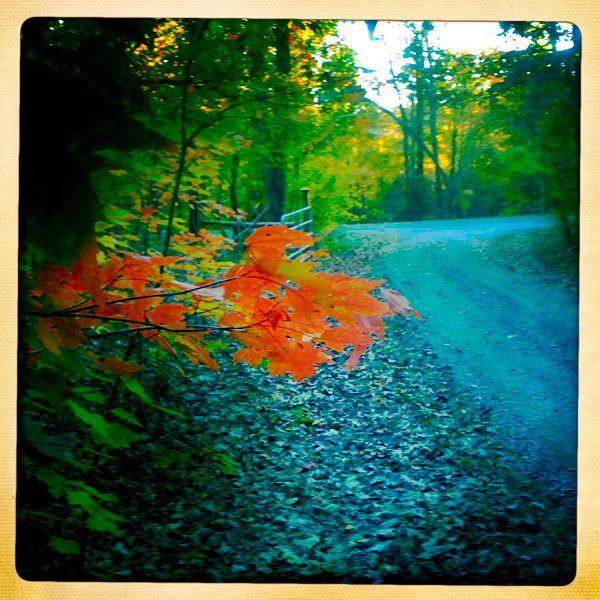
I am on the road, in a southern state, in the perfect autumn moment. Sky is blue and the leaves are wearing exciting colors. If I stand still and look up, I can watch them let go and dance down. In the 10 days I am here, I will drive 800 miles and visit 4 bookstores. Two down, two to go.

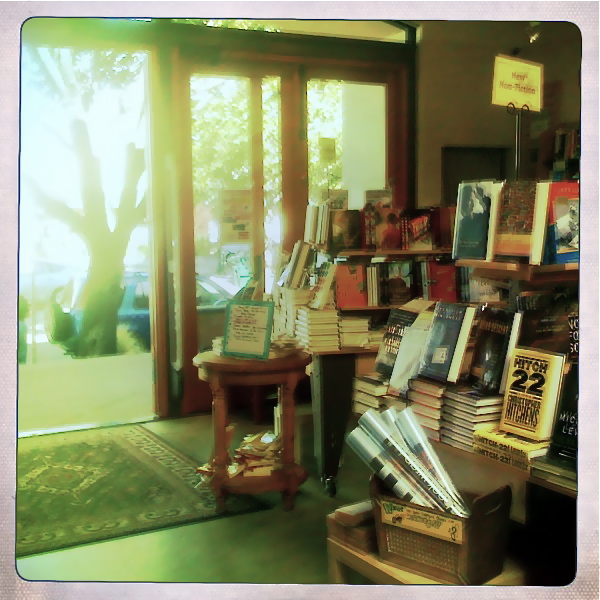
A few days ago I parked in front of a very large chain bookstore, took my briefcase and purse, and opened a tall glass door. Inside it looked like a cross between expo concourse, university library, and Whole Foods. I stopped eating ice cream a few years ago, so bookstores like this bring out my sorbet sensibility. I can almost taste the delicious, shiny covers.                                                     

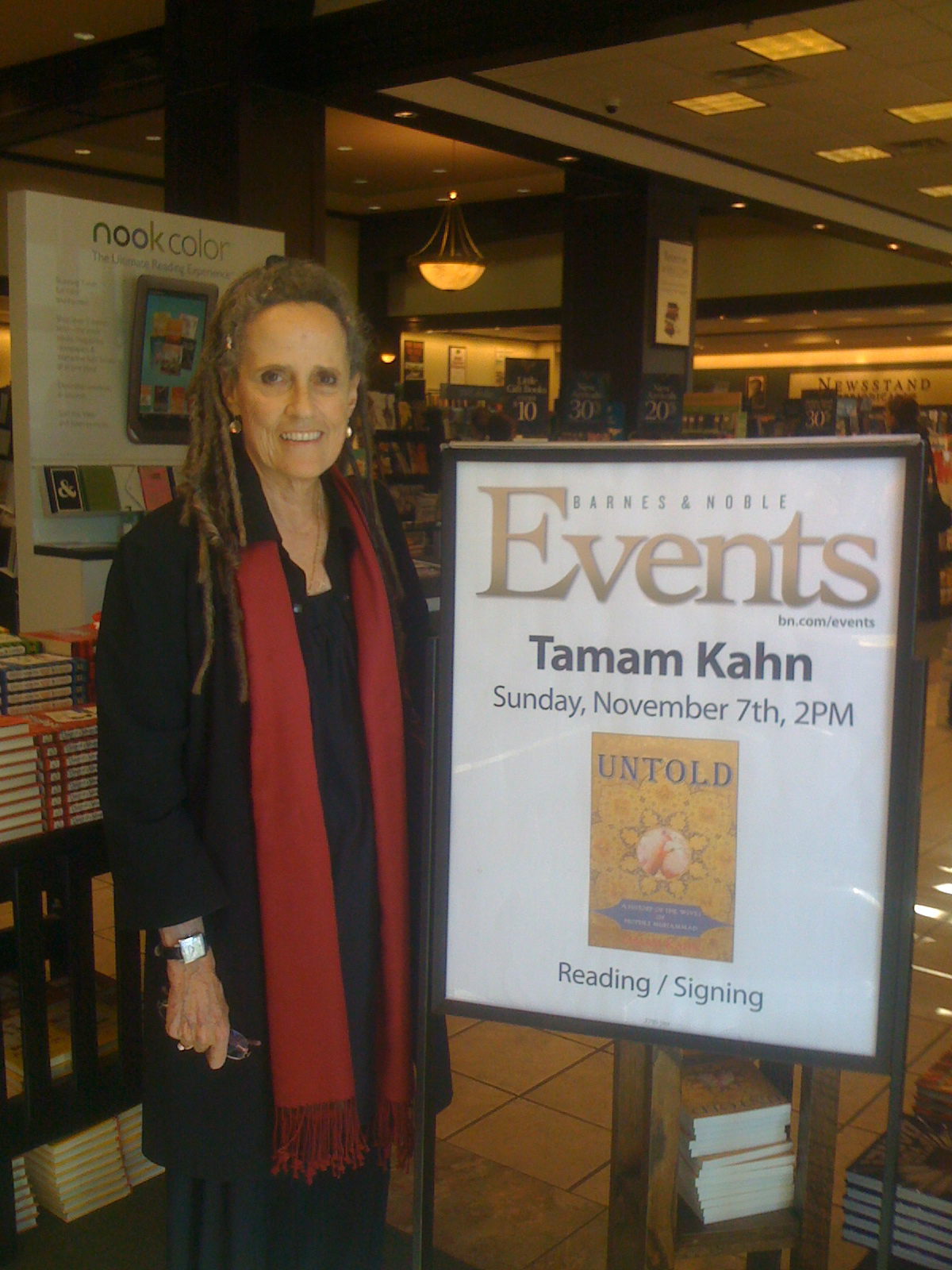
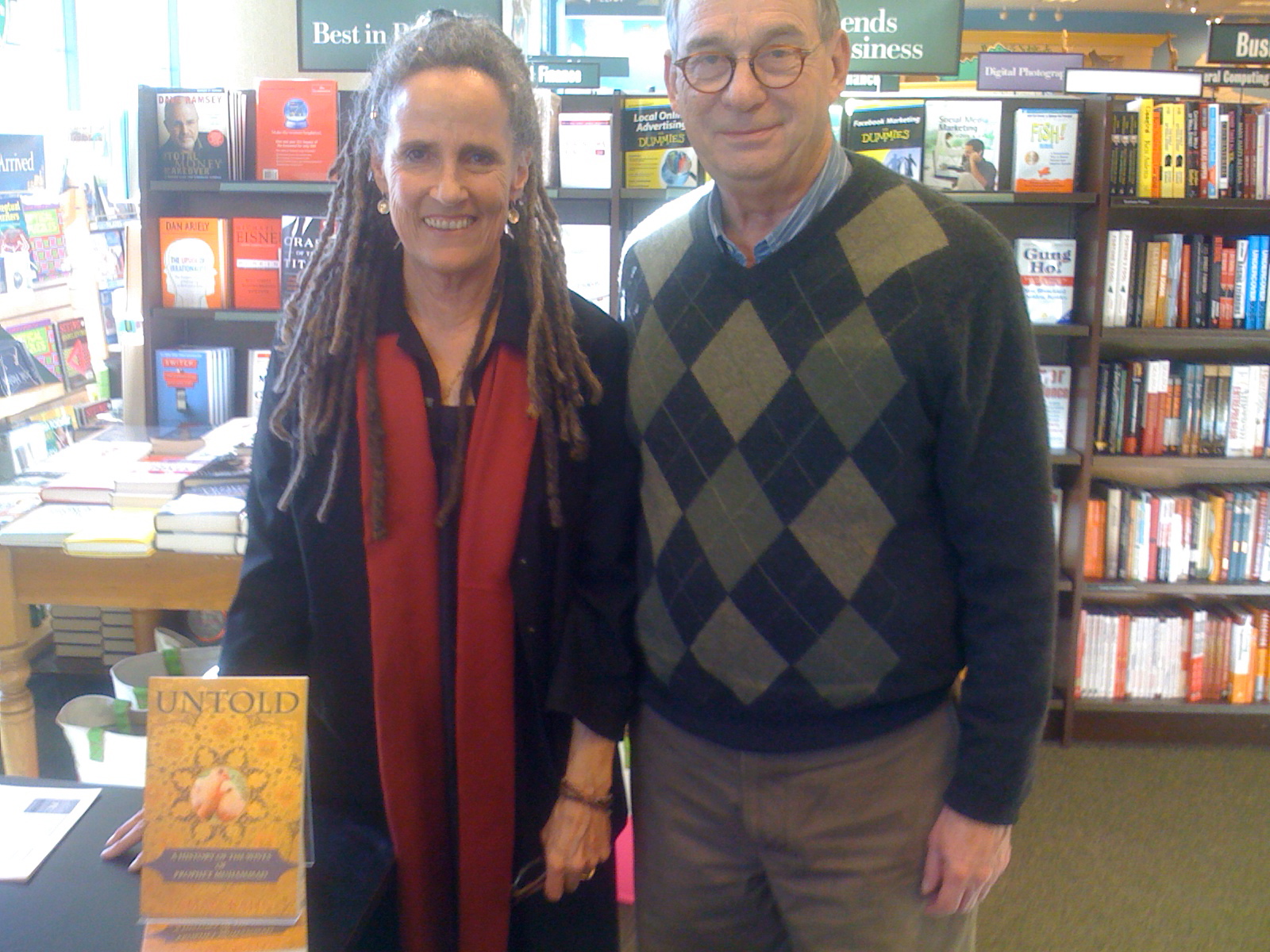
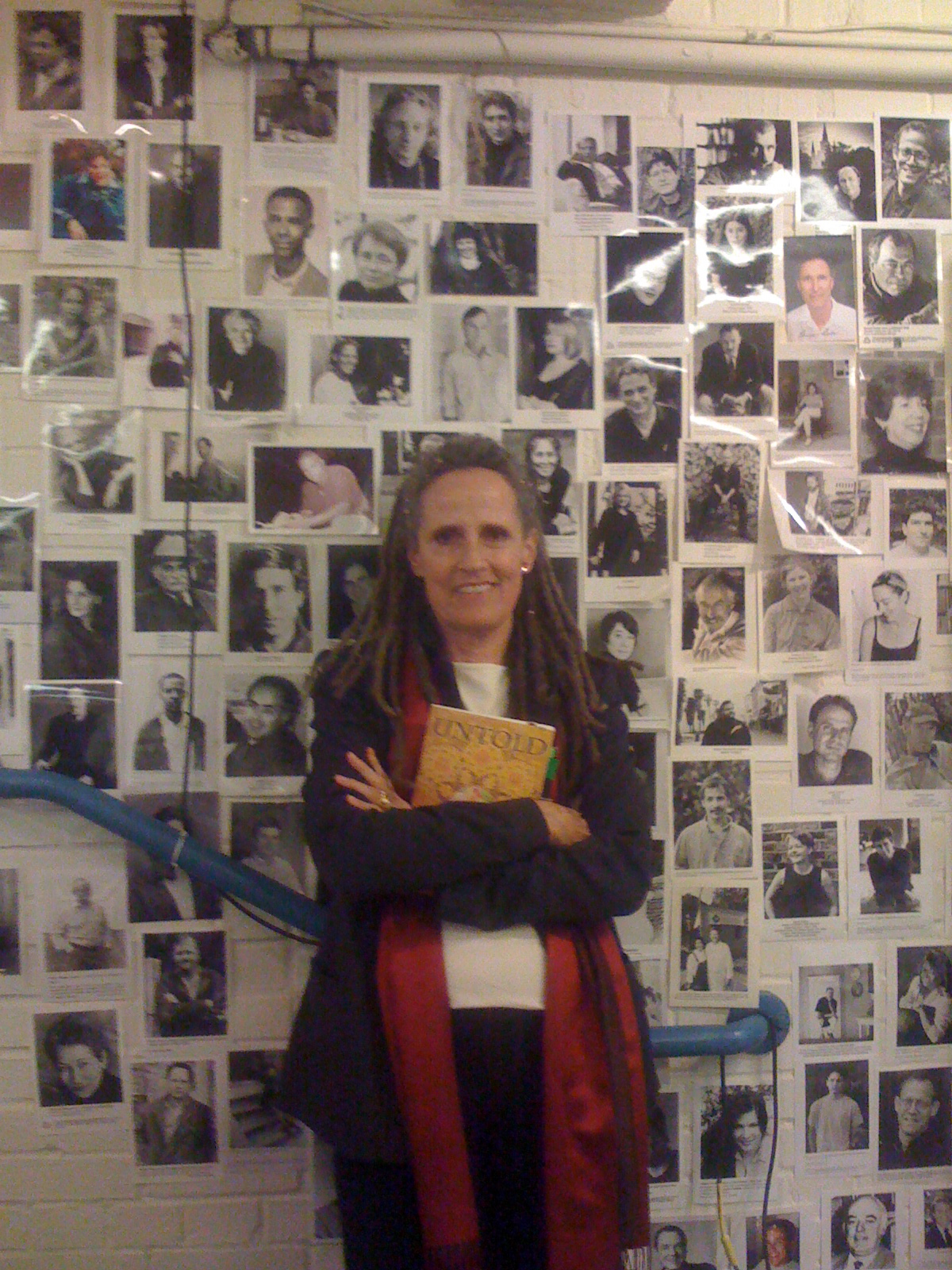
There were long isles of fiction and non-fiction, a large children’s section and food court. It was Sunday afternoon. As I passed the information booth a woman’s voice called out, “Tamam?” I turned to meet Cheryl, my host, who recognized me from my photo. In the next 20 minutes, after stashing my coat and briefcase (one of the perks for bookstore-presenters) I browsed, glancing at the display of my book and the twenty or so white chairs.  Every now and then an elderly person would sit there to rest. I am a lucky author. At least 18 people have come to each of the dozen or so readings of Untold so far. But what if no one shows up, and my friend – once State Poet Laureate and prize-winning author – has no one to introduce me to? Cheryl smiled at me again. “Things run late in this town,” she said, soothingly. Suddenly it was happening. Fred arrived with friends and the first two rows filled up. A couple people sat in the back. Fred introduced me on the wobbly mic. I stepped up to the lectern and tossed out the “raisins” of information about the book and my life. I read some poems. The audience was smiling. They asked good questions. They were still smiling. Sarah Lindsay, an enormously gifted poet grinned at me. I signed books and hugged Cheryl good-by. <>

A few nights later, I drove an hour and a half to a well-known indy bookstore. But, it was Amy Sedaris Time and the place was papered with the delighted news of her performance and reading event the next evening. Her book, Simple Times, Crafts for Poor People was a sensation or she was a sensation or both. The $10 tickets to her event were going fast, and Dave, the man who was to introduce me was quite busy with that, and the downstairs was crammed with chairs and a kind of balcony with a lectern and a hefty mic. I hastily put up the PR that my publicist had sent the store, and scribbled “tonight!” on it, then left for early dinner.   Dave moved the lecturn down from the stage and introduced me. He was kind and helpful. The handful of attendees moved closer to me and the reading began. A smart and attentive fifth-grade girl named Aliya was listening to every word.  I felt deeply honored.

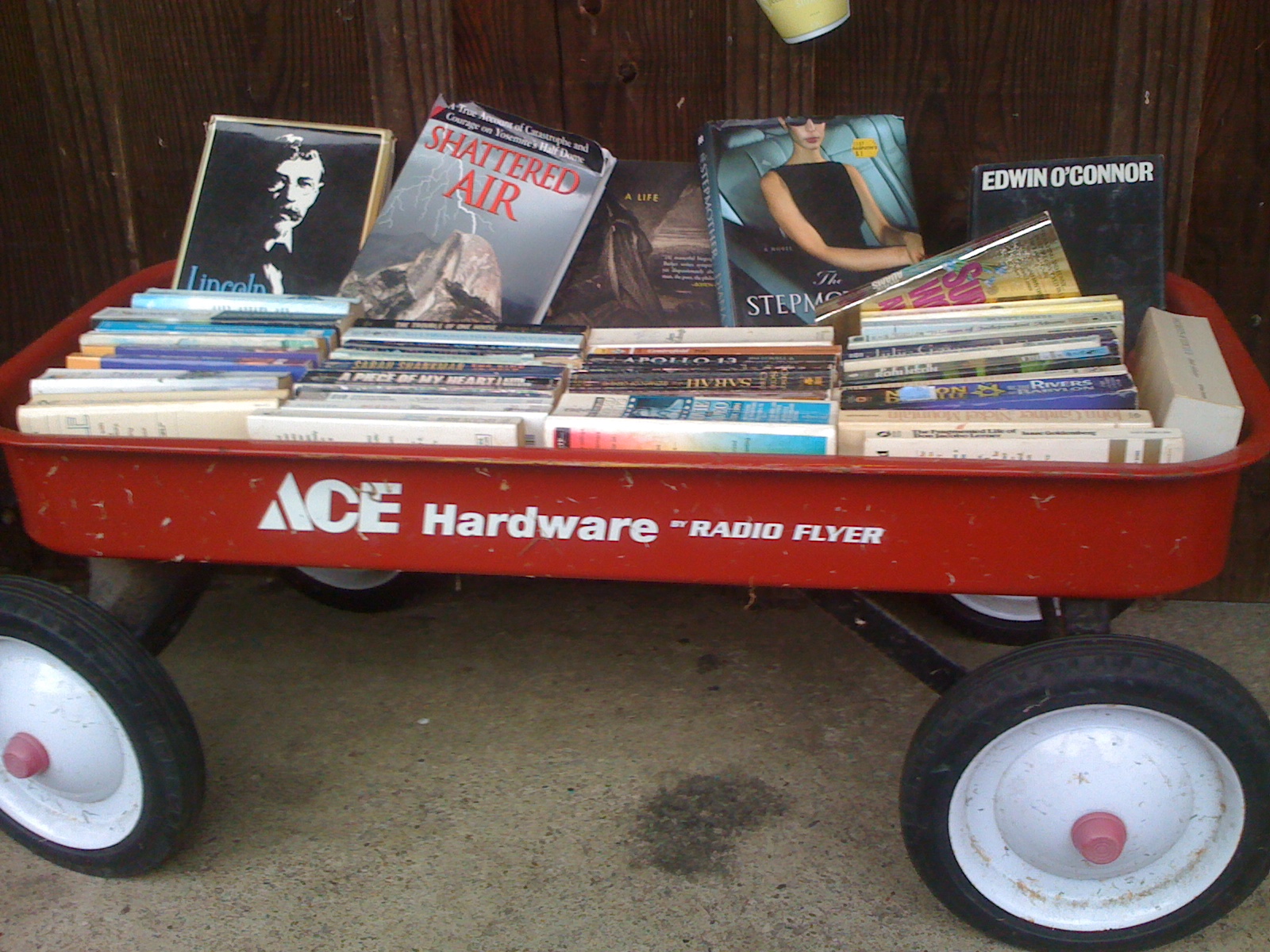
Each of these events is such a unique opportunity to speak to 5 or 40 people, to smell the books and appreciate the kind attention of the bookstore staff, the generosity of my friends and curious passers-by. I am surrounded by thousands of books for an hour. They don’t make a sound.  For those of us that love bookstores, this is reward enough, but then comes the make-my-day moment when the bookseller says, would you like to choose a paperback as a gift from us? (in that case I sold 18 books for them) or “How about our store tee shirt?” green, with the logo – the consolation prize for selling only one book. The man who bought that book asked me to inscribe it to the local library… Nice.

Brenda Hillman and Bob Haas @ Toby’s Feed Barn

Way back in September, Brenda Hillman and her husband, one time Poet Laureate of the USA, Robert Haas, read at a favorite local venue – Toby’s Feed Barn. Bob and Brenda are two of my favorite poets. It was a spirited occasion celebrating and fundraising for the local bookstore, Point Reyes Books. Add a hundred or so poetry lovers, plenty of chairs, books for sale, an old milk can or two, and bales and bales of straw – and you have it. I bought tickets ahead of time and brought my husband, Shabda, and friend, Kyra, with me. The Barn was cozy and smelled sweet and dry. I gave a copy of my new book, Untold, to Brenda, with the message that I didn’t need anything from her, just wanted her to have it. I’m a fan and have several of her wonderful books of poetry. Practical Water is her newest. You can catch something of the subtlety and originality of her thinking and poetry here.

From Practical Water

What does it mean to live a moral life

It is nearly impossible to think about this

We went down to the creek

the sides were filled

with tiny watery activities…                                                 

An ethics occurs at the edge

of what we know

The creek goes underground about here

The spirits offer us a world of origins

Owl takes its call from the drawer of the sky…

It’s hard to be water

to fall from faucets with fangs

to lie under trawlers as horizons

but you must

Your species can’t say it

you have to do spells & tag them

uncomfortable & act like you mean it

Go to the world

Where is it

Go there  ~

Bob read “Poem for Brenda,” with the line  “..kissing, our eyes squinched up like bats…” and told the story of how he un-invited poet Robert Pinsky and his wife (after planning to dine with them) when Brenda spontaneously agreed to come over for their first date – years back. I came home with Bob’s 2007 book Now and Then, The Poet’s Choice Columns 1997-2000, Counterpoint Press, Berkeley. For those of us that love poetry, this is a great read. It consists of columns he wrote as Poet Laureate, and I have a marker at every 3 or so of more than 100 small essays for the Washington Post as a column called, “Post’s Book World.” It was syndicated all over and went continued four years. Here’s a sample:

July 19 “Postmodern –experimental poetry– has been for the last fifteen years or so trying to figure out how to wriggle out from the sort of direct, personal poetry that the generation of Allen Ginsberg and Adrienne Rich made… it was time to do something else.” (The new poetry he describes as…) “an effort to subvert narrative, undermine the first person singular, and foreground the textures and surprises in language rather than the drama of content.” His example is Susan Wheeler. Haas writes, “Sometimes it seems that Wheeler is trying to marry The Talking Heads’ Stop Making Sense to Victorian nonsense verse.” From “Shanked on the Red Bed,” The perch was on the roof, and the puck was in the air./ The diffident were driving, and the daunted didn’t care. <>

[I’m glad to be back writing this blog again, with hopes that those looking for information on my book Untold can find the right buttons above.]

UNTOLD: Author Interview

Recent news about UNTOLD:

~ UNTOLD won an International Book Award for 2011.

~ UNTOLD was translated into Indonesian and may be in bookstores there as “Untold Stories,” Kaysa Publishers, and is being considered by Garnet Press, UK.

Monkfish Publishing House interviews Tamam Kahn (2010 interview):

Q: What prompted you to write about the wives of Muhammad?

Tamam Kahn: As I traveled in North Africa and the Middle East, I felt authority and earthy power from the women who recited sacred words and sang poetry about Muhammad and his family. I wanted to discover if Muhammad’s wives had that same fierce, elegant energy. I began to read about them. I found that – according to traditional history – they did.

Q: Why do you feel this information is valuable or necessary at this time? What does it have to teach us?

Tamam Kahn: This book is meant to balance History and Her-story.  My wish is that the women in these pages may emerge as vivid individuals vocalizing the first years of what came to be Islam; that they will replace the stiff and submissive stereotypes the media often displays. In this book, we see that Muhammad was married to women born into Jewish, Christian and pagan faiths. “Untold” may inspire us to be curious and keep a flexible attitude, and if we do, we may discover all people have the same hopes, dreams, fears, and disappointments.

Q: Do you consider yourself a Muslim?

Tamam Kahn: I would call myself a spiritual seeker who regards Islam as the path of peaceful surrender to the One. For me, a Muslim is a person who walks that path. This was the “Islam” embraced by the women I write about. I am a follower of the Message of Divine Unity as exemplified by the great Sufis such as Rumi, Hafiz, and Rabi‘a of Basra. They carry a sacred outlook not limited to the form, the time, or the place.

Q: How have Muslims responded to your research and publication?

Tamam Kahn: A California Muslim woman hosting a local radio show wrote me that Untold brought these women to life in a way that no standard biography did. Through the poetry, she now imagined them as real flesh and blood women who were courageous, jealous, and fierce – in a very human way. For those who question my right to write about the Prophet’s wives, I would say I have great respect for each woman and admiration for the life they shared. That respect has opened doors that made this book possible.

Q: Does your book have a message for Muslims?

Tamam Kahn: As-salaam ‘alaykum. This book greets you on the path of peace. Come and enjoy the stories of your Prophet and his family.

Q: Does your book have significance for non-Muslims?

Tamam Kahn: This book is about a forgotten piece of history that needs to be brought out and honored. But for me it is not about Muslim and non-Muslim. It’s about our human family and the strength of women. This book may bring ease to a mother whose children attend school with Muslim children, the shopper served by a grocery checker in a scarf, the office worker whose boss has a Muslim name. CNN tells us that nearly one in four people in the world today is a Muslim, although Fox Network said it was one in five.

Q: How has the process of researching, writing, and publishing Untold changed your life?

Tamam Kahn: I’ve spent my life changing my life, so this is just another chapter.  There is a big difference between holding a manuscript and reading from your own book. This book seems to have “a life of its own.” I feel like I’m just tagging along. The directive that these women need to be known is an important one. From the opening poem: “I am here with a message: conversation with these women will never end.”

Q: Can you tell us about the research for Untold?

Tamam Kahn: I was hooked as soon as I began to read contemporary authors, Karen Armstrong and Martin Lings. From there I went to the oldest sources such as Ibn Ishaq. I traveled to Syria and received my own library card from the Al-Azar National Library in Damascus. When I’d researched and written a few chapters, I met with Islamic Scholar Arthur Buehler back in America, and he was moved by what I was doing and offered to help, not only by correcting the Arabic, but also suggesting early scholarly material that was respected in the genre of what is called “the hadith literature.” In that way I had the advantage of an academic checkpoint.

Q: Talk about the form you use in this book – narrative prose interspersed with poetry.

Tamam Kahn: At one point I had seventy poems and notebooks of research on the wives and daughters of Prophet Muhammad. I thought I’d find someone to write the back-story. I asked the wonderful master writer and Poet Laureate of North Carolina, Fred Chappell, what he would do if he were in my place. He suggested a “prosimetrum.” No one I knew was familiar with that term. It was used by Boethius in the fifth century – in his Latin Consolation of Philosophy. Boethius placed poems – each like a tiny well – in the prose narrative thread. The Consolation influenced Western Medieval thought, Dante and Chaucer. The form is generally not in use today, but it served my purpose beautifully!

Q: Who should read this book?

Tamam Kahn: This book is for anyone who wants to transcend stereotypes about Islam. Untold paints this early history with a bold, broad stroke, including Prophet Muhammad’s close and colorful contact with Pagan, Jewish, and Christian women who became his wives. Like Reading Lolita in Tehran, Untold depicts Muslim women in a new light, with focus on their intelligence and creative outlook. Book clubs will find this is an optimistic book that empowers women – the ones who are in it and the ones reading from it! After studying Untold in an Islamic Studies class, one student was inspired to write a term paper about the first wife, Khadija. I leave a trail of research markers, so the book can be enjoyed as simple biography or questioned and investigated further. Untold is for people who discover that they want to know – who are these women?

For more information or to arrange an interview with Tamam Kahn, please contact: <tamam@completeword.com> 


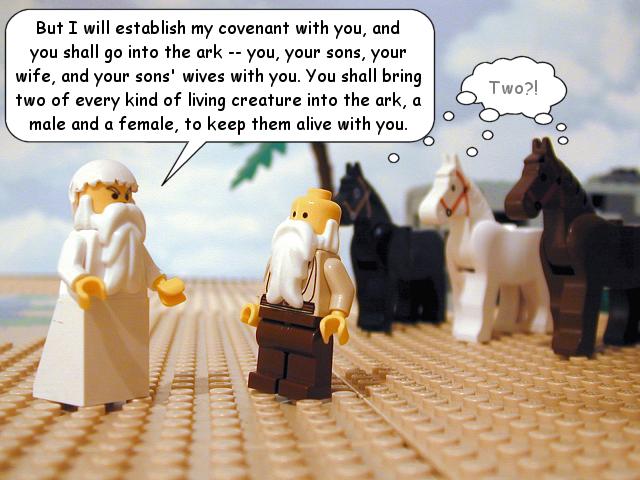
The LEGO and the written word

“The Sheila Variations” has more Biblical legos

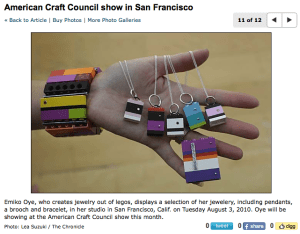
It is LEGO time again. I need to blog this subject once a year, so here it is, poetry and pictures. What got me going was the lego jewelry on the cover of Datebook, SF Chronicle today. What? lego jewelry? Lets see. some nice pieces.

Emiko Oye: Peppermint bracelet

bracelet made of heads…

Blues Brothers?

But now it is important to bring in the written word and honor the LEGO with another creative angle. I’ll start with an astounding piece which the Poetry Foundation recognized on its web site, move on to William Merwin in his strange union with LEGO, and end with the poetry of two young people whose poems were on the web.  Lego minestrone!

<>     <>     <>     <>     <>     <>     <>     <>     <>     <>     <>     <>

This is it. The classic lego visual and written piece from the Poetry Foundation. It is a response to the fiftieth anniversary of the LEGO patent.

The Great Order of the Universe: a poem by CHRISTIAN BÖK

TheGreatOrderOfTheUniverse

NOTES: “Using a conceptual strategy reminiscent of Sol LeWitt, the image enumerates every possible way of combining two LEGO bricks, each with eight pegs. The caption consists of two texts: the first, a translated paragraph from a volume by Democritus; the second, a transcribed paragraph from the patent by Godtfred Kirk Christiansen. The two paragraphs are perfect anagrams of each other. (a word, phrase, or sentence formed from another by rearranging its letters: silent is an anagram of listen).   Source: Poetry (July/August 2009).Poetry Foundation Archive

<>    <>

WS Merwin, who is now the poet laureate of the United States has written a poem for The Lego Poem.

This is a repeat from my earlier post: The Lego Poem and Merwin (June 9, 2009),

Merwin’s poem is called “To the Book” contained in a pop-up book called The Lego Poem with inkjet lego designs by Kyung Min Lee. The work seeks to examine “how the interpretation of a language can change the cultural aspect of the poem.” I want to look inside, but I can’t. The book is Cloth bound with cut-out windows on front cover. Signed by the artist. Joan Flasch Artists’ Book Collection, 2007, Chicago Il. Then I searched the internet and found the poem:

to the book     by W.S. Merwin
Go on then
in your own time
this is as far
as I will take you
I am leaving your words with you
as though they had been yours
all the time
of course you are not finished
how can you be finished
when the morning begins again
or the moon rises
even the words are not finished
though they may claim to be
never mind
I will not be
listening when they say
how you should be
different in some way
you will be able to tell them
that the fault was all mine
whoever I was
when I made you up

<>    <>    <>

Legos   By Adam K., Kailua, HI
Red blue yellow
Jonny Depp movie poster
colors of the rainbow
in geometric shapes
merging into perfect structures
colossal constructions
little men encased in cold plastic
tiny heads with blank features
stiff and blocky with robotic movements

square and small

Glen Stoner + his lego hat

<> <> <>


“My Legos”   by Andre

In a cabinet
in my room
many different LEGOS
I have blue, green, red, white, pink, yellow, orange, brown and gray Legos.
Sometimes my Dad buys them
and sometimes my grandmother.

The End.

Bookstores and Radio Interview

The month of August is here. That means UNTOLD, the new paperback publication from Monkfish Books, is on its way to bookstores. Publisher’s Weekly releases a good review on Monday August 9. From the review: The unorthodox devise [the prosimetrum – narrative with poems] becomes, as only poetry can, an illustrative window into early Islam and everyday Arabian life 1,400 years ago. Kahn points out that many of Muhammad’s reforms were unique for their time and benefited women

Caroline Casey will interview me on KPFA radio August 19 at 2 pm. I begin what my publisher calls, “the Bookstore Tour.” It would be wonderful to see familiar faces and meet my friends from cyberspace.

Book Passage in Corte Madera starts things off on Sunday, August 22 at 4pm.

Copperfields in Sebastapol is hosting me Tuesday, September 9 at 7pm.

Later on, October brings an evening at Books Inc. on Fourth Street in Berkeley on Tuesday, 7pm October 19; and Fields Bookstore on Polk Street in San Francisco 8pm on October 21. I’ll be in Seattle September 16-21, Denver on October 28, and North Carolina in November (see tab above that says: BOOKSTORE TOUR): New York and Portland in the spring. Info on those bookstores will follow. Thank you for your good will and hope to see you in book-book land.

Thanks for bearing with the blog billboard. I’ll return to articles of interest soon. ~

Words and Redwoods

I just returned from teaching a poetry class for a week in the woods of Mendocino. It felt wonderful to be among words and redwoods, opening to both. Here are some thoughts from Dorianne Laux, a wonderful poet. Years ago at Flight of the Mind, [a woman’s writing retreat in Oregon] I studied with her:

Dorianne Laux  Why do I write?

…I work to find my subject, something I can sink my teeth into. I live for that flaring up of language, when the words actually carry me, envelope me, grip me. And all the above is why I read poetry, to hear the truth, spoken harshly or whispered into my ear, to see more clearly the world’s beauty and sadness, to be lifted up and torn down, to be remade, by language, to become larger, swollen with life.

I write to add my voice to the sum of voices, to be part of the choir. I write to be one sequin among the shimmering others, hanging by a thread from the evening gown of the world. I write to remember. I write to forget myself, to be so completely immersed in the will of the poem that when I look up from the page I can still smell the smoke from the house burning in my brain. I write to destroy the blank page, unravel the ink, use up what I’ve been given and give it away. I write to make the trees shiver at the sliver of sun slipping down the axe blade’s silver lip. I write to hurt myself again, to dip my fingertip into the encrusted pool of the wound. I write to become someone else, that better, smarter self that lives inside my dumbstruck twin. I write to invite the voices in, to watch the angel wrestle, to feel the devil gather on its haunches and rise. I write to hear myself breathing. I write to be doing something while I wait to be called to my appointment with death. I write to be done writing. I write because writing is fun.

<>

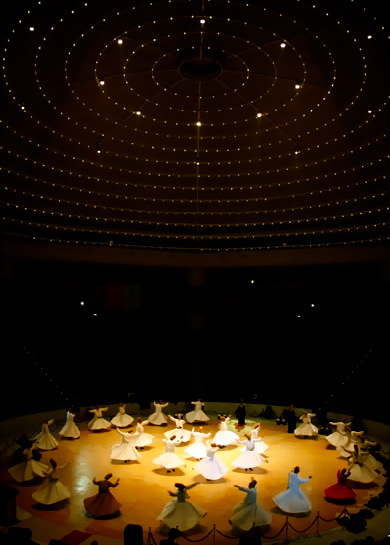
…When the Sufi poet whirled, was he looking            

outward, to the mountains so solidly there

in a white-capped ring, or was he looking

to the center of everything: the seed, the egg, the idea

Mevlevi Sema

that was also there,

beautiful as a thumb

curved and touching the finger, tenderly,

little love-ring,

as he whirled,

oh jug of breath,

in the garden of dust?

<>  <> excerpt from

Where Does the Dance Begin, Where Does it End ~ by Mary Oliver

-from Why I Wake Early (2004)  <>

Poet Kazim Ali reads in San Francisco

Tonight was the annual Fundraiser for the Squaw Valley Poetry Conference. The two hour reading takes place at The Starr King Room of the Unitarian Church in San Francisco.  The poets were Forrest Gander, Brenda Hillman, Evie Schockley and Dean Young. Also Kazim Ali, whom I wanted to meet. Last year I got his book, The Far Mosque, and liked some of the poems there. He was born in 1971, which makes him almost forty, and his manner is easy and relaxed, with  poetic presence that makes me sense he will continue to shine. After he read the poem Dear Shams –which appeared on the back page of APR Volume 39 – I shouted, YES!   (Oh yes!) Here it is: my favorite poem of the evening.

Dear Shams

There’s no answer to winter
watching the sun set over water

it falls so quickly
you have not been lost

branches, oligarchs of  the sky
everybody listening for silence

where and where did you go
twelve-stringed music, rejoin me

in the sun-year I swelled long shadows
in the moon-year the valley folded itself up

Poet Kazim Ali

you are the beloved I would not love
at the fountain witless and still

a stream pours over rocks making music
could the water rush over me

the sun drops so quickly into its banishment
could I please forget to breathe and drown

will the ocean rejoin me
you have not been lost

can I be reborn as a guitar
will you be reborn as music and hum inside me

one day you stopped looking at me
and I knew

the last note is lingering in the box
of my body

you did not vanish in the marketplace
I still imagine you in me as my breath

broken in thirds
corded to sound

I took your name when the sun came up
sun of winter, sun windless and wistful

come down across the water
undone sun give me the drunk go-ahead

last time I searched for you
this time I become wooden and resonant

prepare yourself in pure sound
last time I raved without senses

oh pluck me my angel my paper-maker
I want to feel you hum inside me

pluck me pluck me
and hum

<>    <>              …and he read the poem, Dear Rumi with the lines:

…At the fountain in the village square,/ the books are still sinking, bereft of your hands.

Even the mountains are bending down trying to save them...     [This guy is amazing!]

But there were other poets and poems.

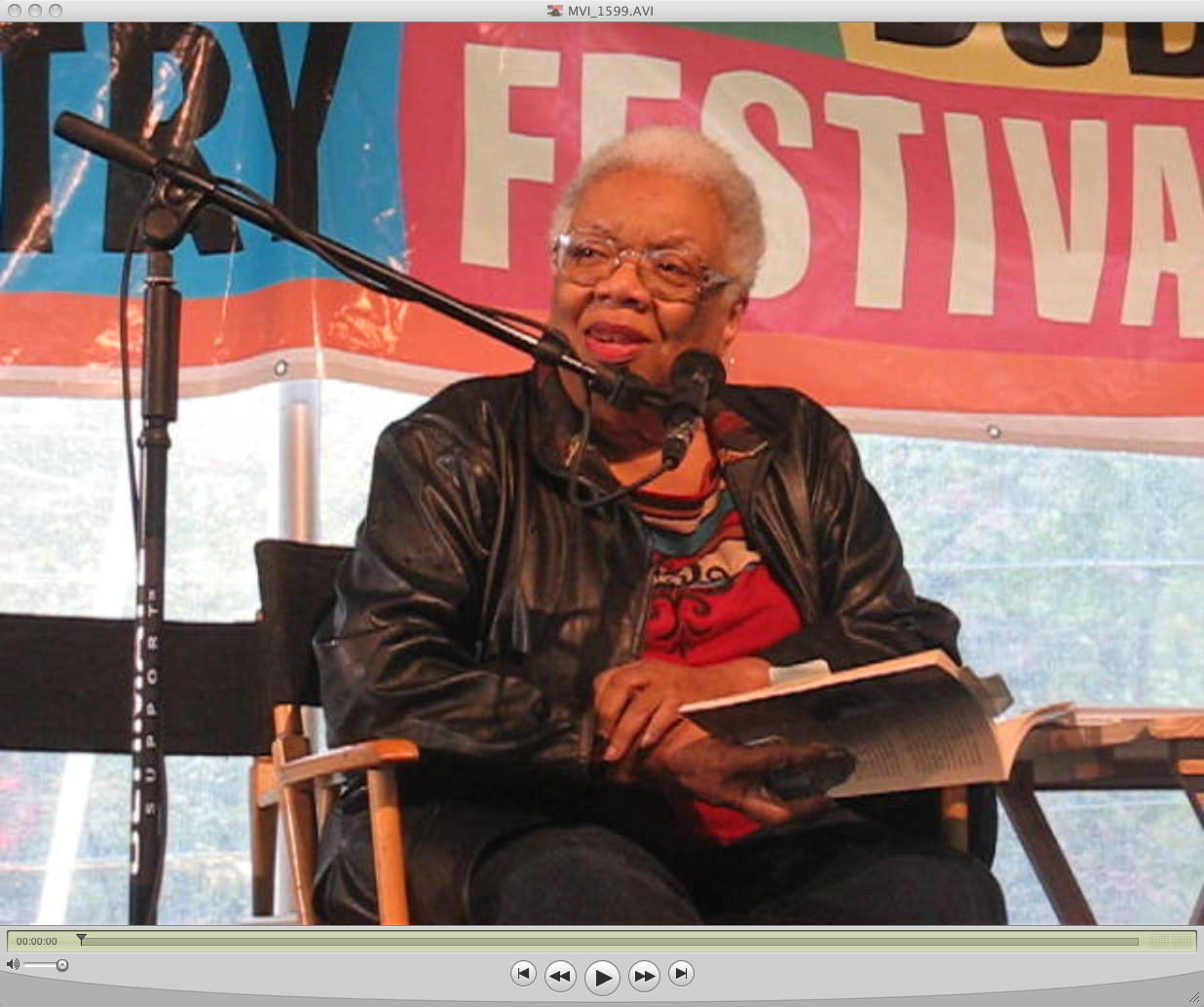
Last time I went to this event, Lucille Clifton read.  Tonight was a series of tributes and remembrances by the featured poets. Brenda Hillman read a couple of fox poems, both hers and Lucille’s poem:

one year later

what if,

then,

entering my room,

brushing against the shadows,

lapping them into rust,

Lucille Clifton 1936-2010

her soft paw extended,

she had called me out?

what if,

then,

i had reared up baying,

and followed her off

into vixen country?

what then of the moon,

the room, the bed, the poetry

of regret?

<>   <>

A wonderful evening of poetry from excellent poets! Lucille, you are missed!

Fatima poems updated

Fatima blog

Fatima was the most important of Prophet Muhammad’s children. Here are poems  from the forthcoming book: Fatima’s Touch, Poems and Stories of the Prophet’s Daughter, White Cloud Press, Ashland, OR.2017 by Tamam Kahn. The introduction is in Untold:

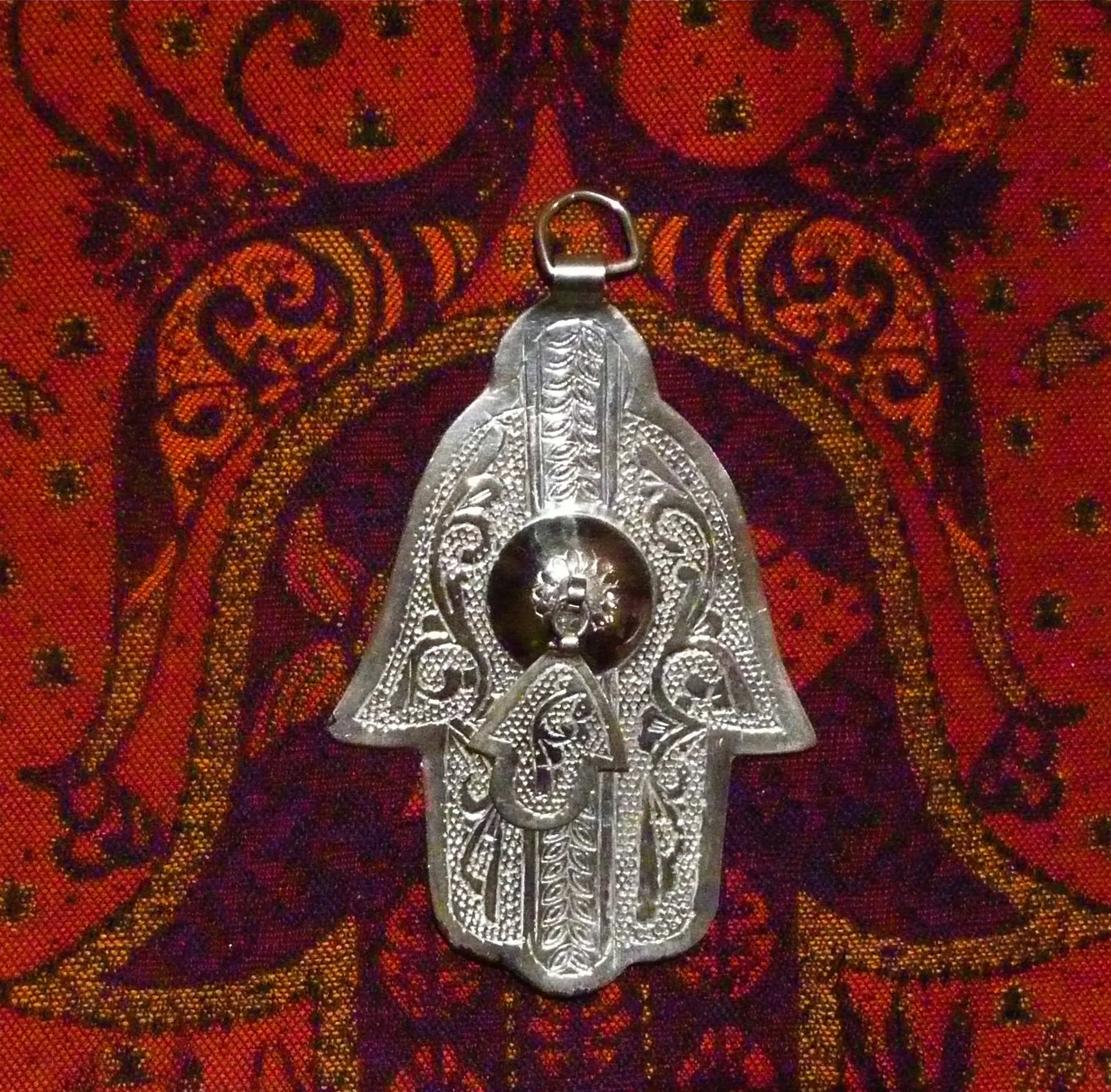
If her elder sisters have been eclipsed by history, the youngest, Fatima, lived in the spotlight. The hadith offers collected stories of her childhood, marriage, family, and alliances. History has saved both her words and those of her father speaking to her. After Khadija’s death, Muhammad leaned on her for support; later she was given the curious and weighty title, “Umm Abi-ha,” which translates as “the mother of her father.” She became a symbol of protection in the culture of Islam. The open hand, a defining symbol of protection for Muslim women, is called “The Hand of Fatima.”

Five poems on Fatima in the spring 2016 issue of “Knot Magazine”

http://www.knotlitmagazine.com/#!tamam-kahn-/c1rsb

Silver Hand

The Hand of Fatima

 
We forget the face 
but wear the silver hand,
forget the look
of a lighthouse,
but recall the beam; 
witness being lifted
on clear digits of light.
 
We concede
her rescuing face. 
Like her father’s,
we say.But we cannot
see either one.
 
Ya falak!  
We swim as stars
in orbit round his
daughter, a lamp
of whispered mercy.
 
When she extends
her hand, we are
met in unforgettable
 touch.

<>  <>  <>  <>  <>  <>

Wild Honey of adab 

Was there ever a better gesture for us than this? The way
Muhammad gets up when Fatima enters the room
and takes her hand to kiss it, then indicates his seat to her.
 
At her house, she reciprocates. Each garland of respect
 reveals the wild honey of adab;
inflorescent meadows spreading out, scented
 
with grace. Since we know the sting of a shrug,
how kindness can pivot and leave the room without a glance—
become the Bee Keeper. Stretch toward the buzz of others,
 
watch over each hive as the honey bees waggle.
Move slow, bee veil lowered. Honor the queen,
and hand a sweet jar to everyone you meet.
 
 
Notes:
Adab: (Arabic) important principle of refined behavior politeness, and doing the right thing at the right time for the right reason

 Waggle dance is a term used in beekeeping and ethnology for a particular figure- eight movement of the honey bee, communicating the direction of food.

<>  <>  <>  <>  <>  <>  <>  <>  <>  <>  <>  <>

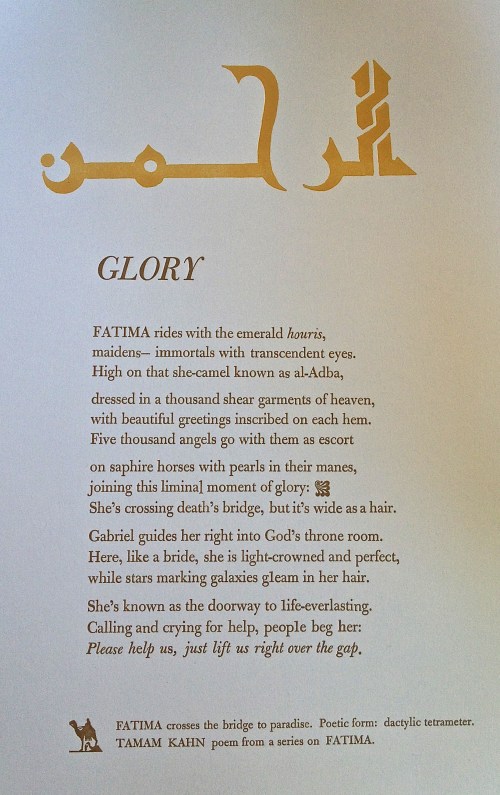
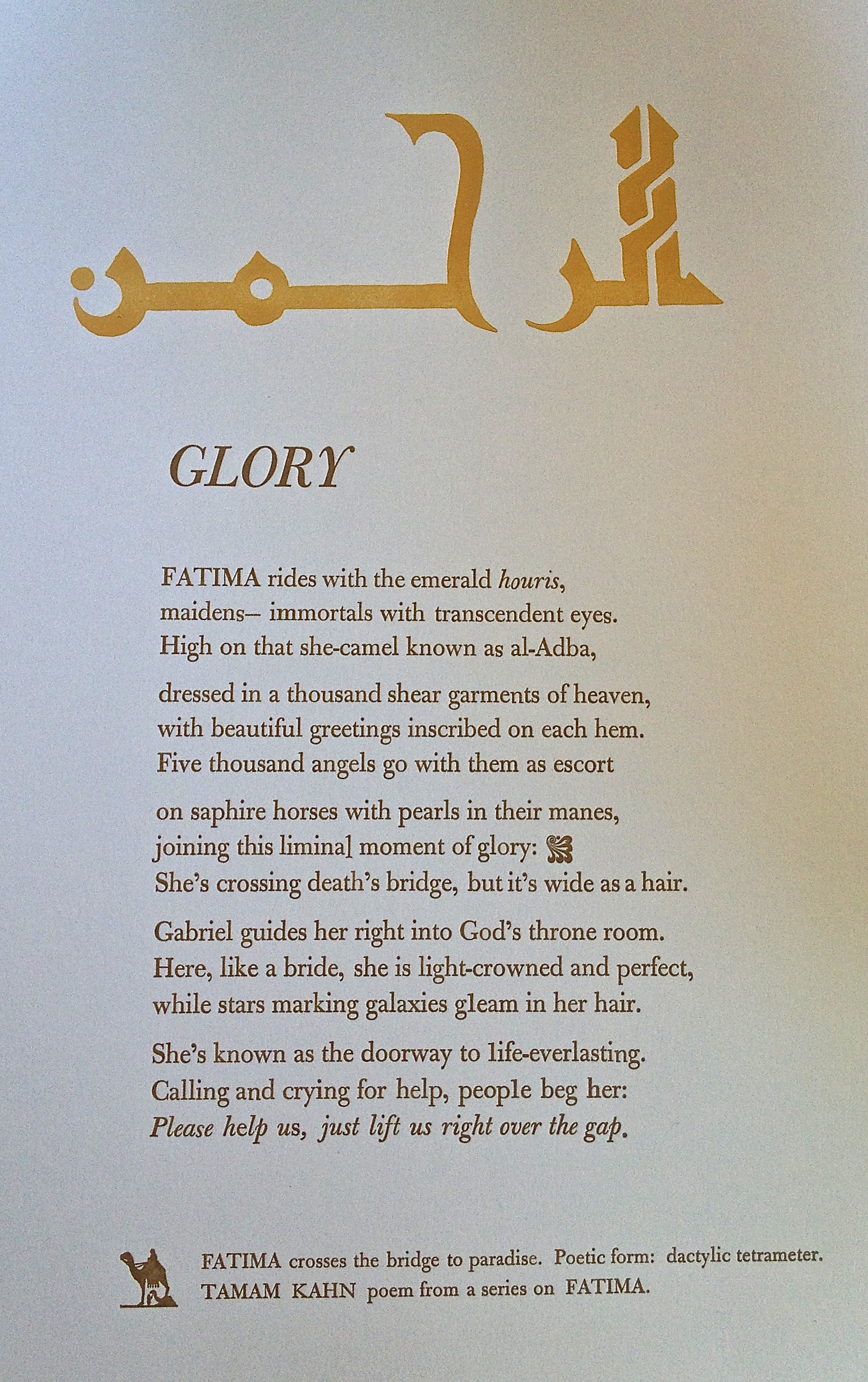
photo 1GLORY: Source: Fatima, Daughter of Muhammad, Christopher Paul Clohessy. Gorgias Press, 2009, pp. 168-173. Corrections: shear is sheer; stars marking galaxies is star-marked galaxies.

<>  <>  <>  <>  <>  <>  <>  <>  <>  <>  <>  <>

Shine

[one sentence sonnet, after Robert Frost “The silken Tent”]
 
 
The shining happened every day, in tent
and hut, in all the rooms, and while the breeze
would linger, Zahra’s glow, all white, relent-
lessly lit each scene with light that squeezed
out dark— she sparked delight, a living pole
star— lighthouse beaming, pointing toward
each heart as if to soothe and bleach the soul
of doubt as noon-prayer yellow sang a chord,
 
a citrine gem; that sound showed women bound
in Zahra’s golden ties of love and thought,
a unity of sound went round and round
and reddened as the sun passed through the taut                          
line of the earth— red stayed in land and air;
while Zahra’s face shone conscious and aware.
 
 
This description of Prophet Muhammad’s daughter, Fatima Zahra, and her “glowing,” comes from historical material known as “hadith.” Source: Fatima, Daughter of Muhammad, Christopher Paul Clohessy. Gorgias Press, 2009, p. 94. (Ibn Babuya – Shia hadith) <>   <> “Squeezed” replaces “ease” as an end-word in Frost’s sonnet.

<>  <>  <>  <>  <>  <>  <>  <>  <>  <>  <>  <>

 
<>   <>   <><>   poems from a new collection of  Fatima poems, 2012-2015      


Azar Nafisi: Literature ~ imagination with no boundries

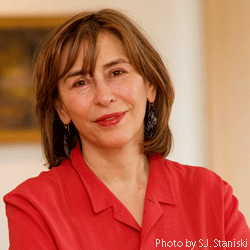
Azar Nafisi

A while ago I went to hear a talk by Iran’s foremost woman writer living in the US today. Azar Nafisi. She is author of the international bestseller Reading Lolita in Tehran, and professor and the executive director of Cultural Conversations at the Foreign Policy Institute of Johns Hopkins University’s School of Advanced International Studies in Washington, DC.

Her book, Reading Lolita in Tehran, has spent over 117 weeks on the New York Times bestseller list.  It has been translated in 32 languages, and has won diverse literary awards… It mixes a book group studying literary masters and invasive  Iranian politics. It shows  a sophisticated, educated people who find themselves surrounded by strict Islamic laws; it brings the reader into women’s dizzying shift from wearing European dress to  a chador. Reading authors such as Nabokov become an expression of inner freedom. Azar has an on-line reading list: The Thousand and One Arabian Nights are there, along with Nabokov, Austen, Flaubert and Fitzgerald.

Marin Academy, where my sons attended high school, invited Azar Nafisi to speak in the Thatcher Lecture series on April 20. She talks quickly with a kind of urgency that is born in someone who understands how very fast one’s reality can shift; she is a speaker who wants to impress the audience with the preciousness of the freedom to share your truth, as you know it. She addressed a crowd of the students and their parents. The reading of literature was the vehicle of her message that night.

“One of the best things about books,” she said, “is the connections they make… readers and writers share the trait of curiosity.” She quotes Nabokov, “Curiosity is insubordination in its purest form.” She continues: “Insubordination is an everyday business. It’s posing yourself as a question mark. A good education strives to make us more restless about our world. Curiosity is the basis of this restlessness. Nothing in life is ordinary! Art, music, and poetry give us curiosity. Fiction gives us the ability to put ourselves in someone else’s shoes…. Literature brings us together. The novel is about the shock of recognition… how much we have in common!  The villain in fiction is the one who doesn’t listen, see, or be willing to change. Blindness is bad. Literature is always an act of discovery. We need to investigate. We live in a world that’s intellectually timid. Discover something that you don’t know! You need imagination in order to imagine a future that doesn’t exist.” Her subtext for me was to stay awake, and beware of how fast the powers-that-be can take away the freedom of an unaware people; keep your mind keen, practice intellectual bravery.

"Curiouser and Curiouser...." Alice

“Iran was ethnically diverse with many different religions and all of a sudden we had a Muslim world! Bereft of individuality, culture and religion. Iran is 3,000 years old and half of that time it was Zoroastrian, after the seventh century it changed to Islam. But we still celebrate the first day of spring, a Zoroastrian Holiday.”

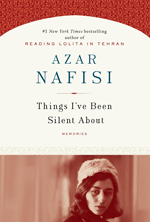
I have been reading her new book, a brave memoir called, Things I’ve Been Silent About.  It grabbed me right away. She offers beautiful writing and the scenes of family life in Teheran during the time of the Shah. The book begins with: “Most men cheat on their wives to have mistresses.  My father cheated on my mother to have a happy family life” It is a deeply personal reflection and exploration of a young girl’s pain over family secrets and a mother’s lost life. The first half of the book is a wonderful fresh Alice-in-wonderland look at growing up. Then the political realities replace family life – as it did for many Iranians – and the book shifts gears. For those who have read Reading Lolita in Tehran, this is a very good next read. If you love books– you’ll savor Reading Lolita…<>

ResearchChannel – 2004 National Book Festival – Azar Nafisi. Click on this. It is a powerful video from of Azar speaking at the National Book Festival, 2004

Caroline Casey’s Trickster Training Tea Party

...on the way to Point Reyes Station, Sunday afternoon

Today I got a computer message from Caroline Casey, my favorite visionary activist, inviting me to her Trickster Training Tea Party at the Dance Palace in Point Reyes Station. She writes in her invitation (white on purple):

Calling all Compassionate Tricksters 
to convene in pre-Solstice back-stage Council at this cataclysmic time, to be guided by the sky story of now, that our grief may fuel our deeper dedication to a culture of reverent

Caroline Casey

ingenuity.
 The word “culture” primarily means what we grow or cultivate in the soil and, by analogy—in our souls.
 So—let all natural facts be social strategy metaphors. Let’s slow down to speed up. The more we slow water down,
 the faster it infiltrates. We gather in just that manner. So bring natural facts, and we will tease them into trickster strategy….

She shared the afternoon with David L Grimes who describes himself as Alaskan bard, musician, songwriter, storyteller, mariner, environmental activist, wilderness guide, former commercial fisherman and wandering fool. “I have howled with wolves, run from bears and co-habitated with killer whales…” You get the picture – a “Mr. Natural” trickster. David had experienced the Exon oil spill firsthand and had calming wisdom to share concerning the terrible BP disaster which it seems all of us carry these nearly 60 days, oily blotches of sorrow. He mentions that the Exon spill stopped deforestation of parts of Alaska by the timber agency, by means of Exon’s clean-up funds. He sang us a beautiful ancient-sounding ballad. He told us  to look from the earth’s perspective with long vision.

Caroline spoke. Ah, the s-l-o-w water. The slower it goes, the cleaner it gets before it reaches the ocean. We need to borrow from the intelligence of nature and slow down our lives… find a sacred cow and milk it. Let Bagwans be Bagwans.

Solstice. All solstices have traditionally been weddings, Ms. Casey tells us. This one concerns “…all that has been falsely estranged coming back together” for healing and uniting, environmentally, politically, and in ourselves as well.  [This paraphrasing from my notes is so stiff, compared to the stunningly brilliant, fluid and funny words that Caroline speaks, how she names our cultural angst, then brings in the positive, or has someone sing a song to get us away from thought, into our positive feeling places.] The audience just looks lit up, and that’s fun because when you listen to her on the car radio on the Thursday Afternoon Visionary Activist show you can’t see the faces of the other people listening. Yes, the radio show! I was there because she wrote me that she wants me to do a show with her on my book, Untold, and talk about the Prophet’s wives. We decided that August before my Bay Area Bookstore readings would be best. Stay tuned. I drove awaythinking about this: “Suck the G out of “kingdom” and blow it back out, what have you got? KIN-DOM. That’s what we want… We are all kin.

As I drove through upper Nicasio I did a bold thing. Caroline had awakened the anything-is-possible state of mind. I drove up the Nicasio driveway where I lived in a tent in 1968 in Bob and Diane Emory’s yard, just up from Lucas Valley road in the redwoods. I snapped a picture of the place where my tent was, felt that place on the earth where, years ago

tent spot, 1968

I had lived. Felt it. Then carefully turned around at the top of the steep dirt road and drove down, remembering driving down the driveway on those nights where the destination was the Avalon Ballroom, or Winterland, or the Fillmore. I heard that music all the way home.

<>

<>

<>

<>

<>