Gertrude Stein’s Art and words from a Prose Poem

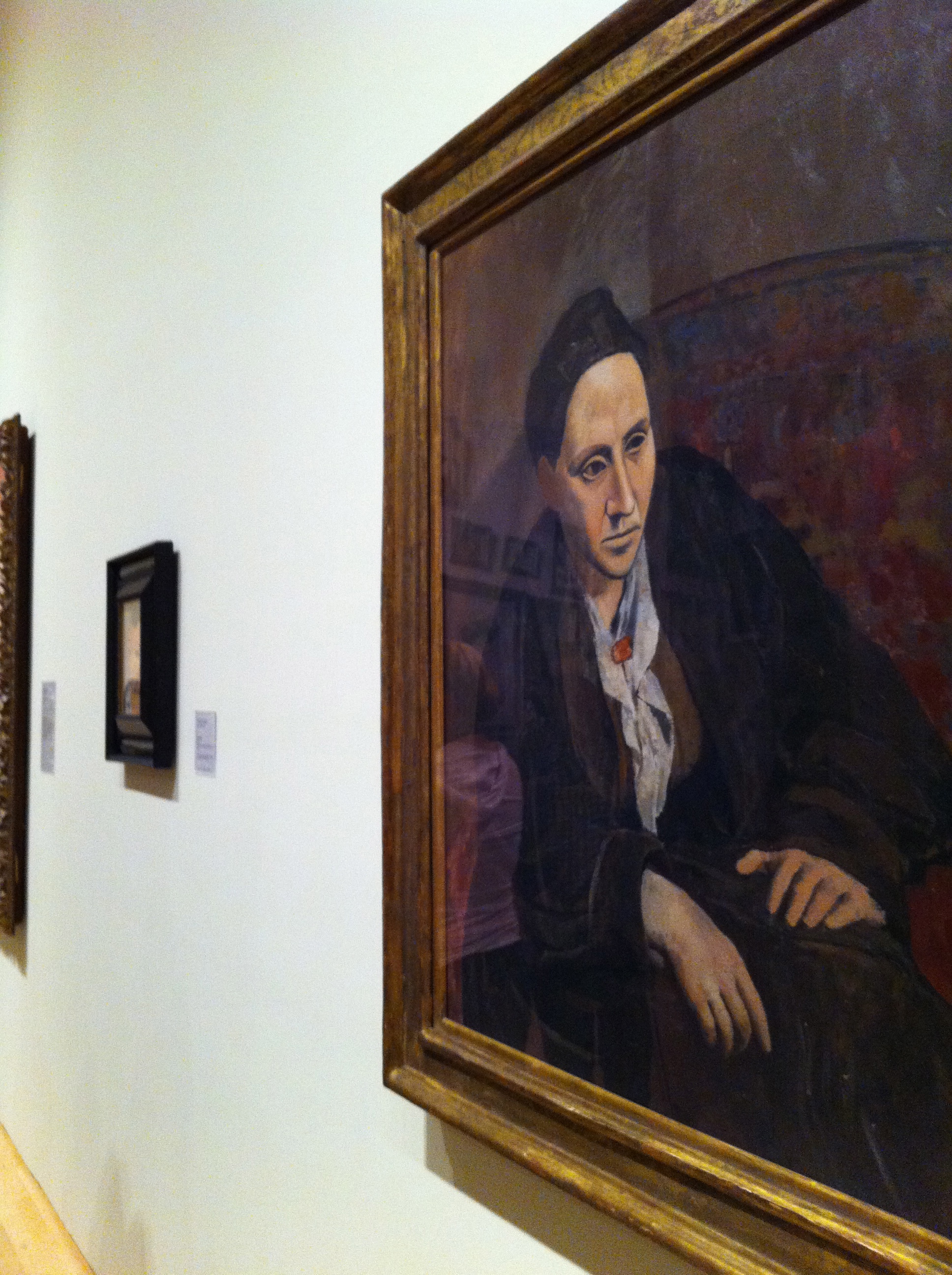
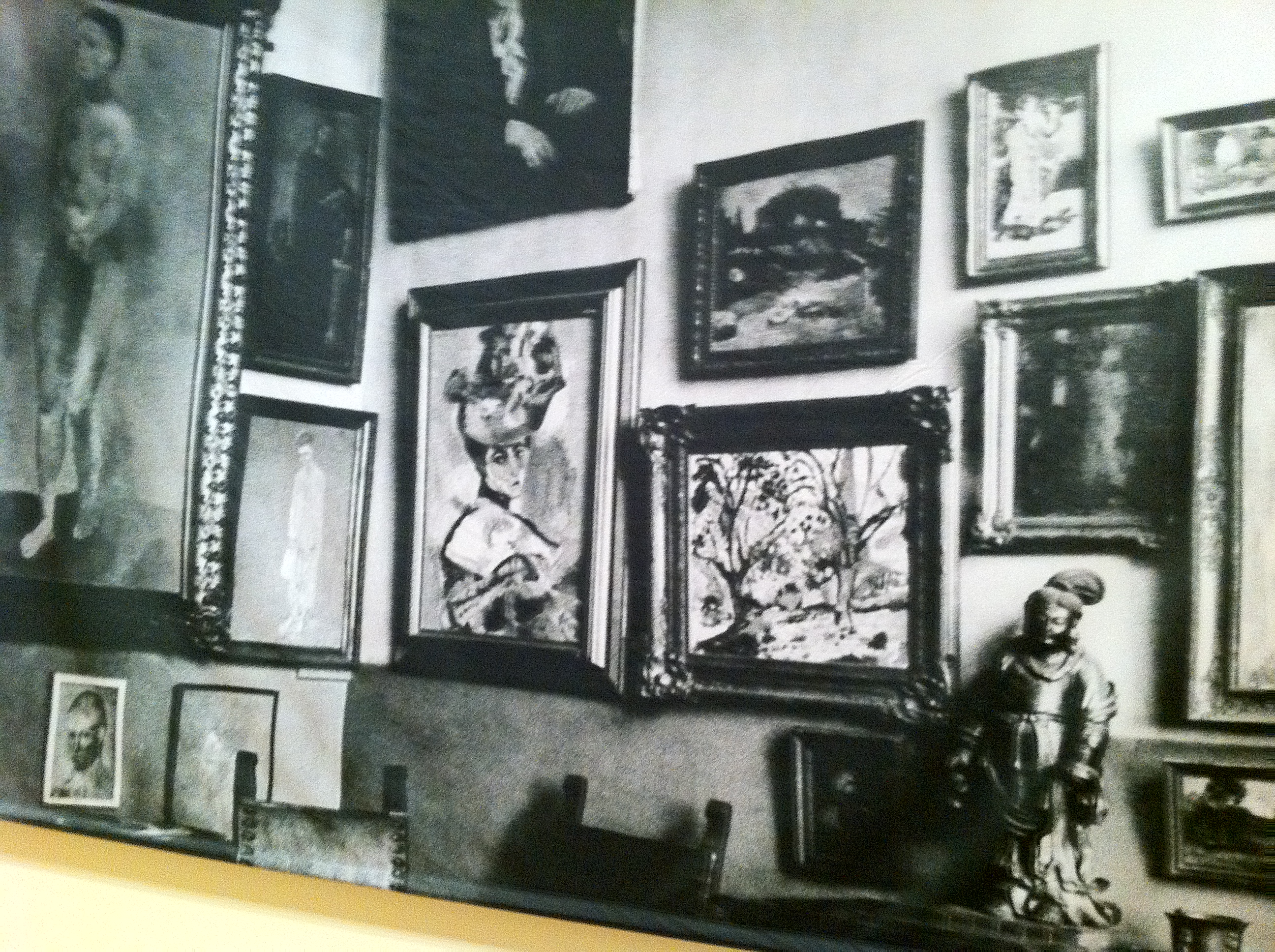
Gertrude Stein keeps showing up. There’s the film where Kathy Bates is G.S., cast by Woody Allen, “Midnight in Paris.” Her walls are covered with paintings.I wanted to see it a second time to look at what they had chosen for the movie set. Today I found myself among those same paintings… at the Museum of Modern Art in SF. The Steins Collect: Matisse, Picasso, and the Parisian Avant-Garde. It was not planned. I was just there. Yasmin was visiting, and we wanted to see Katy, who manages the Blue Bottle Rooftop Coffee Bar at the MOMA. Katy got us tickets, coffee and took us through the large exhibit.

GS by Picasso

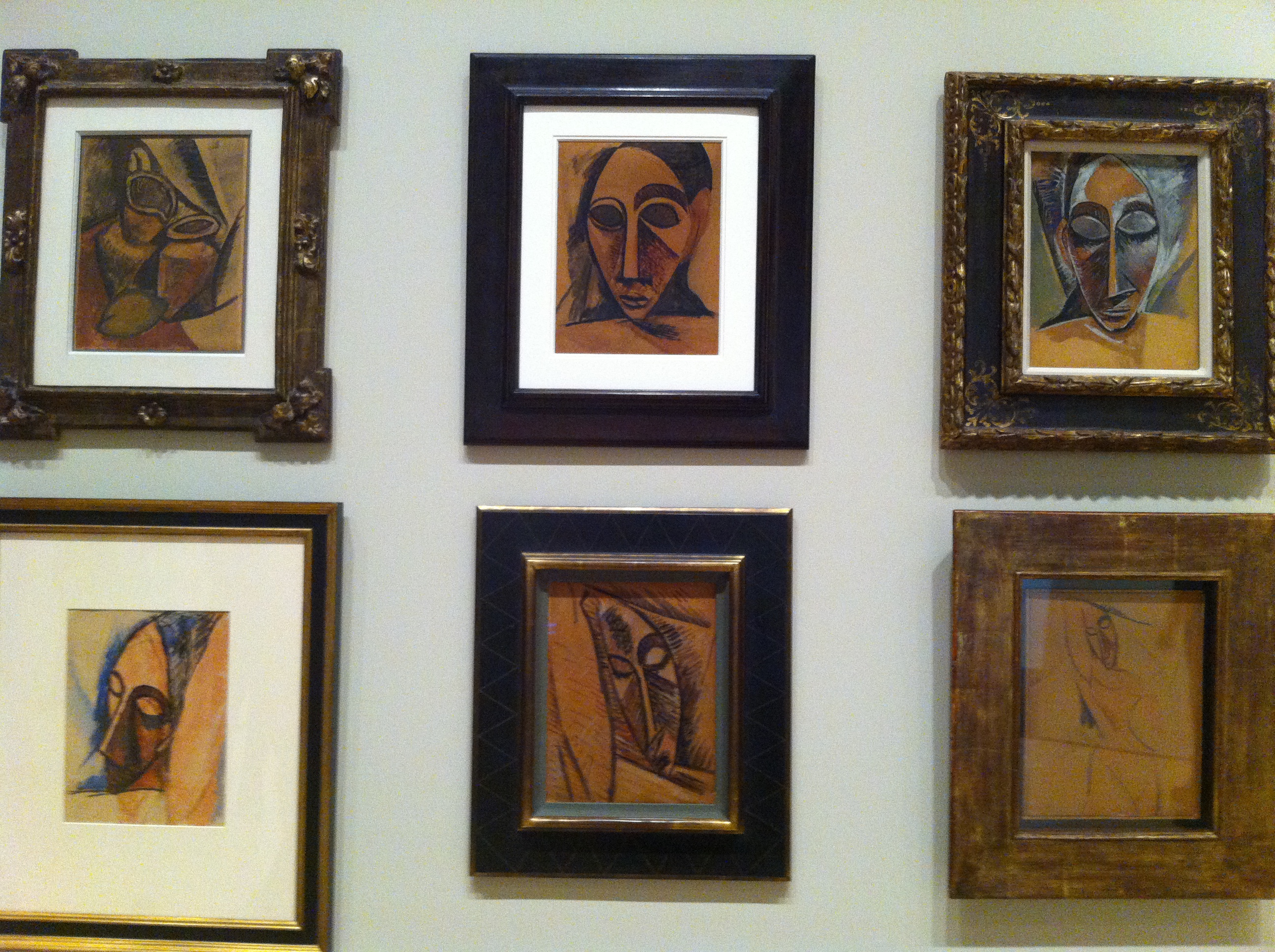
Rooms and rooms of the Steins’ collection. Picasso and Matisse paintings I’ve never seen in any art book.  I snapped some photos when the guards turned away. I was caught, and had to erase a photo. But somehow my camera took two of that set of 6 Picassos. Here is the one that was erased ~  ~

Today was like that. Yasmin kept finding dimes. And I had just copied several of G.S’s writings out of Great American Prose Poems, Edited by David Lehman.  The piece is called “22 Objects” from Tender Buttons by Gertrude Stein.

A Box:   Out of kindness comes redness and out of rudeness comes rapid same question, out of an eye comes research, out of selection comes painful cattle. So then the order is that a white way of being round is something suggesting a pin, and it is disappointing, it is not, it is so rudimentary to be analysed and see a fine substance strangely, it is so earnest to have a green point not to red but to point again.

She is writing through colors –– red, white, green. Picture the artists around her, changing how faces, hands, and landscapes are painted, moving away from realistic renderings  and traditional hues and tints.  Here is another one.

Nothing Elegant:   A charm a single charm is doubtful. If the red is rose and there is a gate surrounding it, if inside is let in and there places change then certainly something is upright. It is earnest.

A Long Dress:  What is the current that makes machinery, that makes it crackle, what is the current that presents a long line and a necessary waist. What is this current. What is the wind what is it.  Where is the serene length, it is there and a dark place is not a dark place, only a white and red are black, only a yellow and green are blue, a pink is scarlet, a bow is every color. A line distinguishes it. A line just distinguishes it.

I feel as though I’m in the middle of a conversation with Stein and the Post Impressionists, the Fauves, the artists pushing the Parisian Art World to the edge of what would be tolerated, the giddiness of those moments, the magnetism, the brilliance and creativity…

The wall in her Parisian Apartment

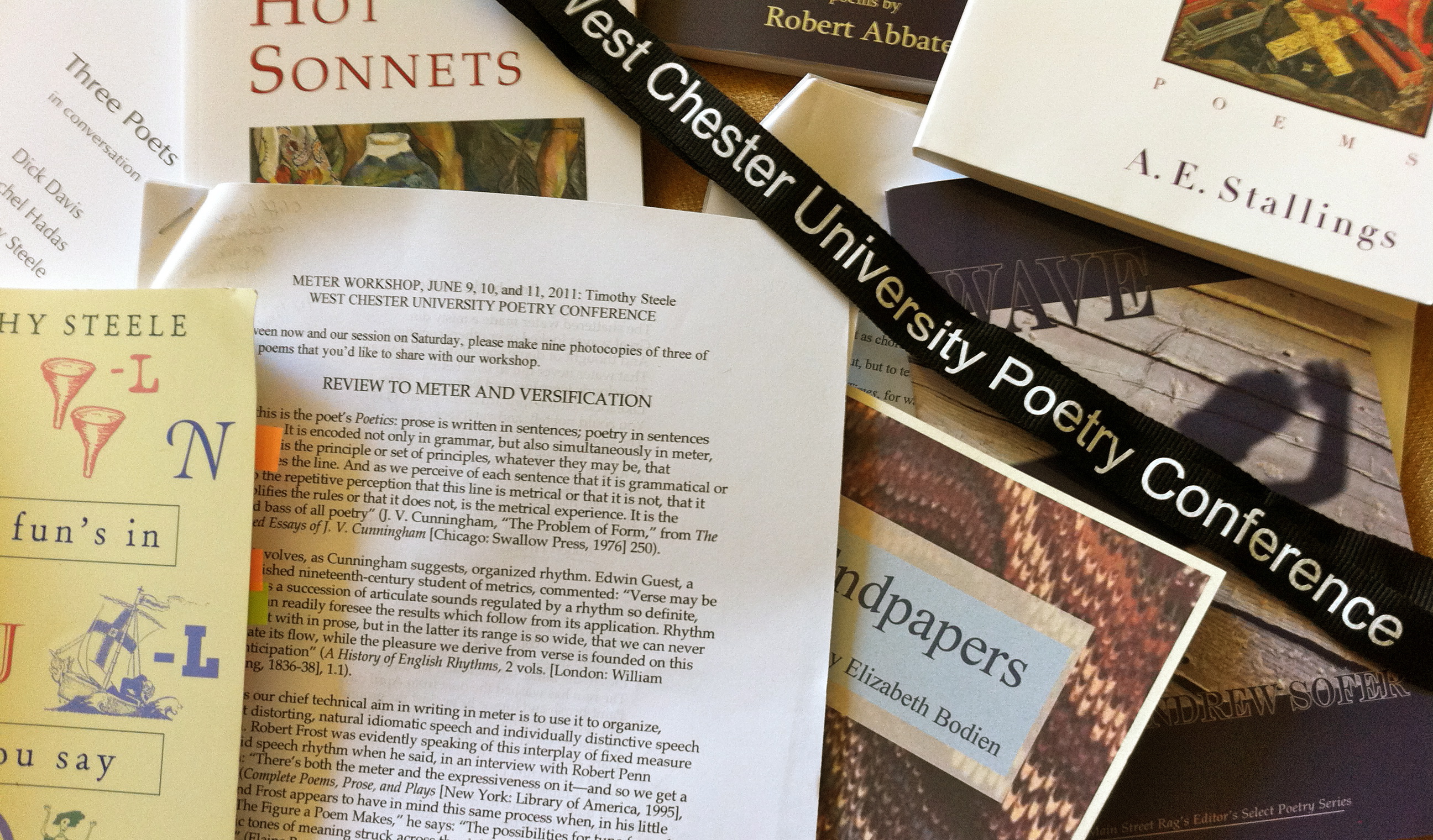
West Chester University Poetry Conference, 2011

When you google the WCUPC, it’s not easy to find. Even spelling it out, you might come across phrases like, “Traditional Poetic Craft.” TPC is a password for the door, if there was a door, that reads: Enter to Study with the Formalists.  Once inside the workshop, you’ll discover the metrical music and the rhythms of poetry are squeezed into technical vocabulary  –– tetrameter, scansion, numbers of feet per line. Cut a line and you have a hemstitchEnjambment is to be used with care, so as not to take away the impact of the pentameter in a sonnet. Iambic pentameter carries the load of centuries of poetry with it, and is perfect for shouting  from a stage, as in Shakespearian theater. (Thanks, Andrew!)

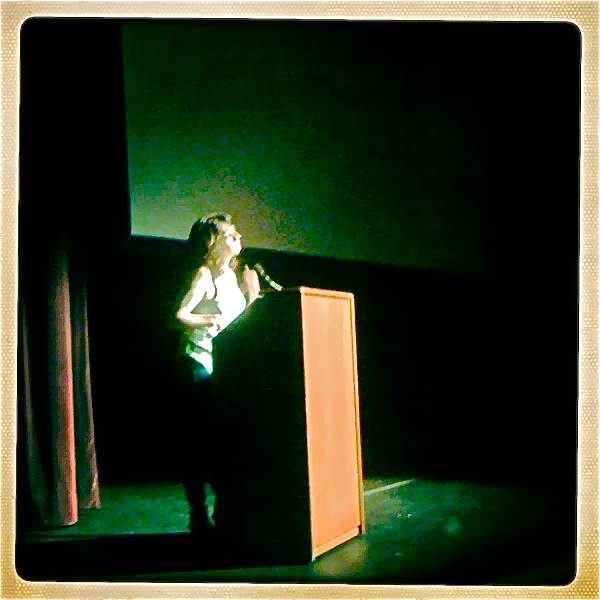
Kim Addonizio reading

Here you can stock up on implements for the tool kit that aids precision in writing. The intricate formal dance of poetics is not for the timid writer. Timothy Steele, word-master and workshop leader, writes: Knowledge of meter will promote a surer ear for rhythm and will alert one to useful arrangements of sound and speech. This view begins to color how I perceive the music and organization of the poetic phrase. I feel as though I’ve been drawn into the Tango dance world by an expert dancer, and now all I hear and see is Tango… Here are some champions of the art worth dancing with.

Robert Frost. A favorite  of mine is Acquainted with the Night – in flawless terza rima pentameter.

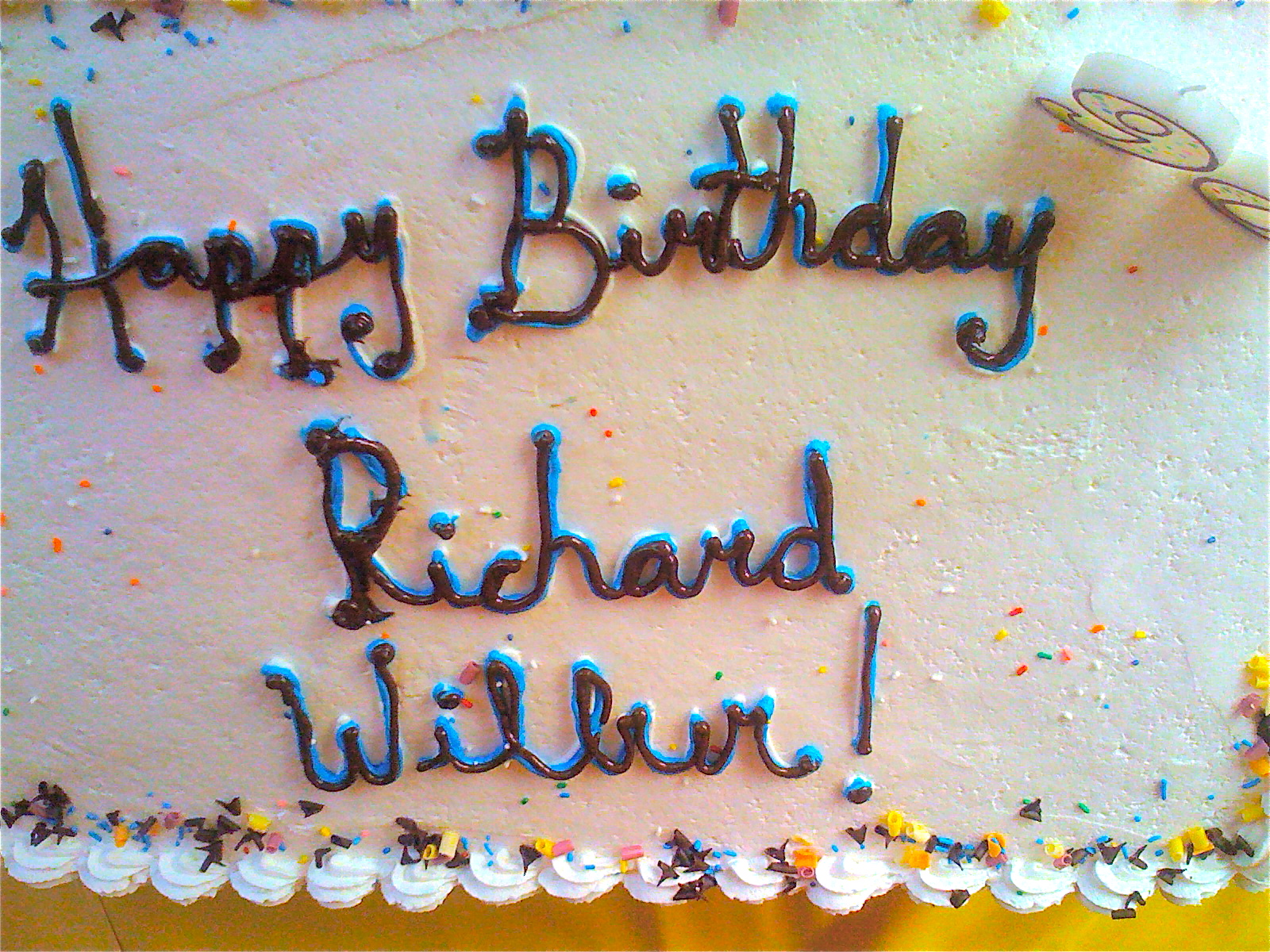
Richard Wilber is a wonderful poet, and was celebrated at the conference for his ninetieth birthday. The Ride, takes the reader on a ride with the short three and four foot lines: …I rode with magic ease/ At a quick, unstumbling trot,/ Through shattering vacancies/ On into what was not….

A.E. Stallings (Alicia) is a young and esteemed poet. Her poems are terrific; she balances a relaxed flow with traditional elements, as in this from  Lullaby near the Railroad Tracks: Go back to sleep. The hour is small./ A freight train between stations/ shook you out of sleep with all/  it’s lonely ululations…            [see interview link below.]

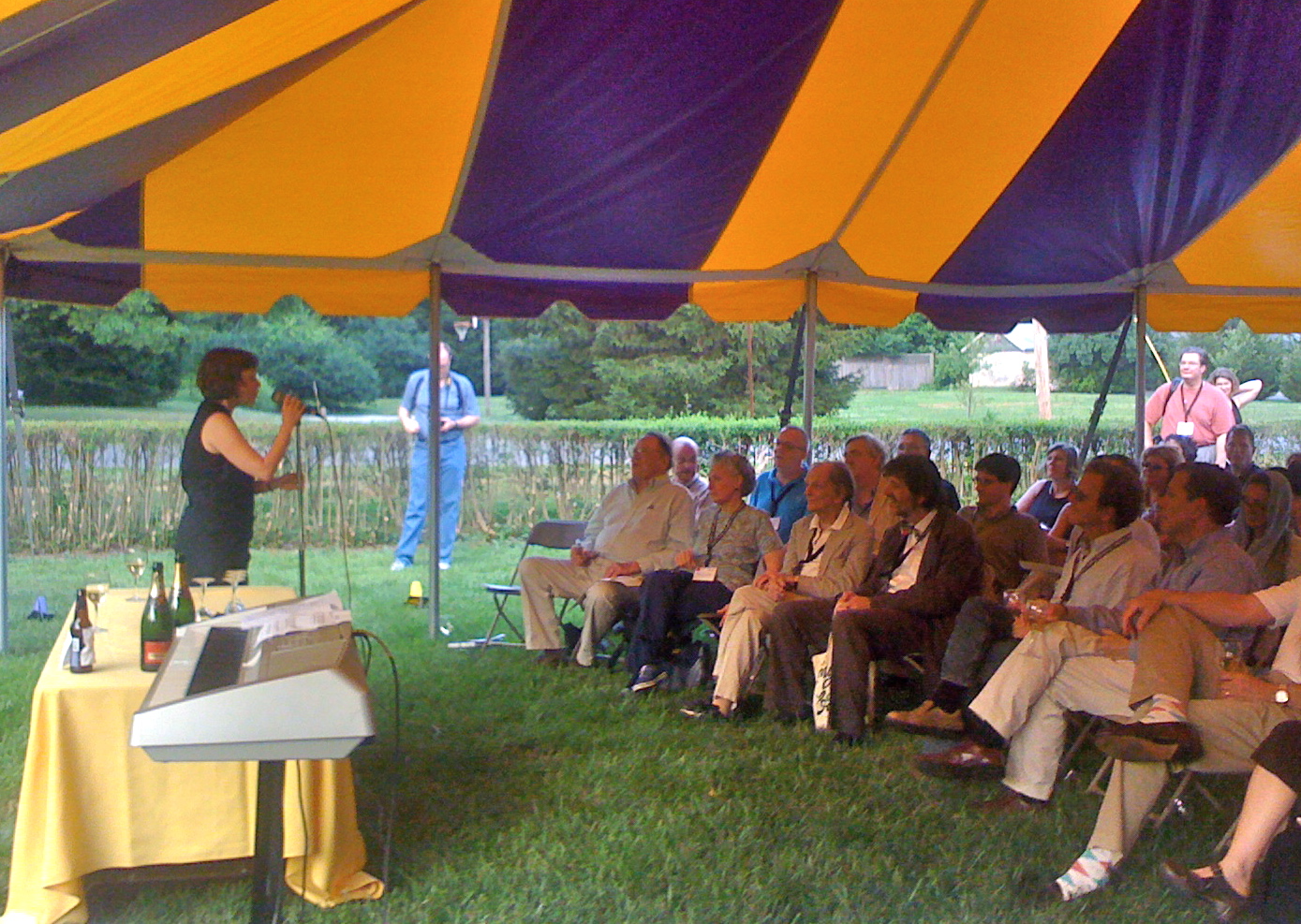
Kim Bridgford*, Conference Director, is attentive, friendly, and was a constant presence. I enjoyed seeing her take in each event with grace and openness. It turns out Kim was in The class I took at WCU in 2004 with Fred Chappell. In my notes, I came across this poem she workshopped, then included in her book: Instead of Maps.                     

From her sonnet: Robert FrostYou seemed to know the most about the dark,/ But softened it so we would listen, still/ As leaves before they show they’re vulnerable/ To wind. You seemed to know the grief of work,/ And also joy depending on the weather…

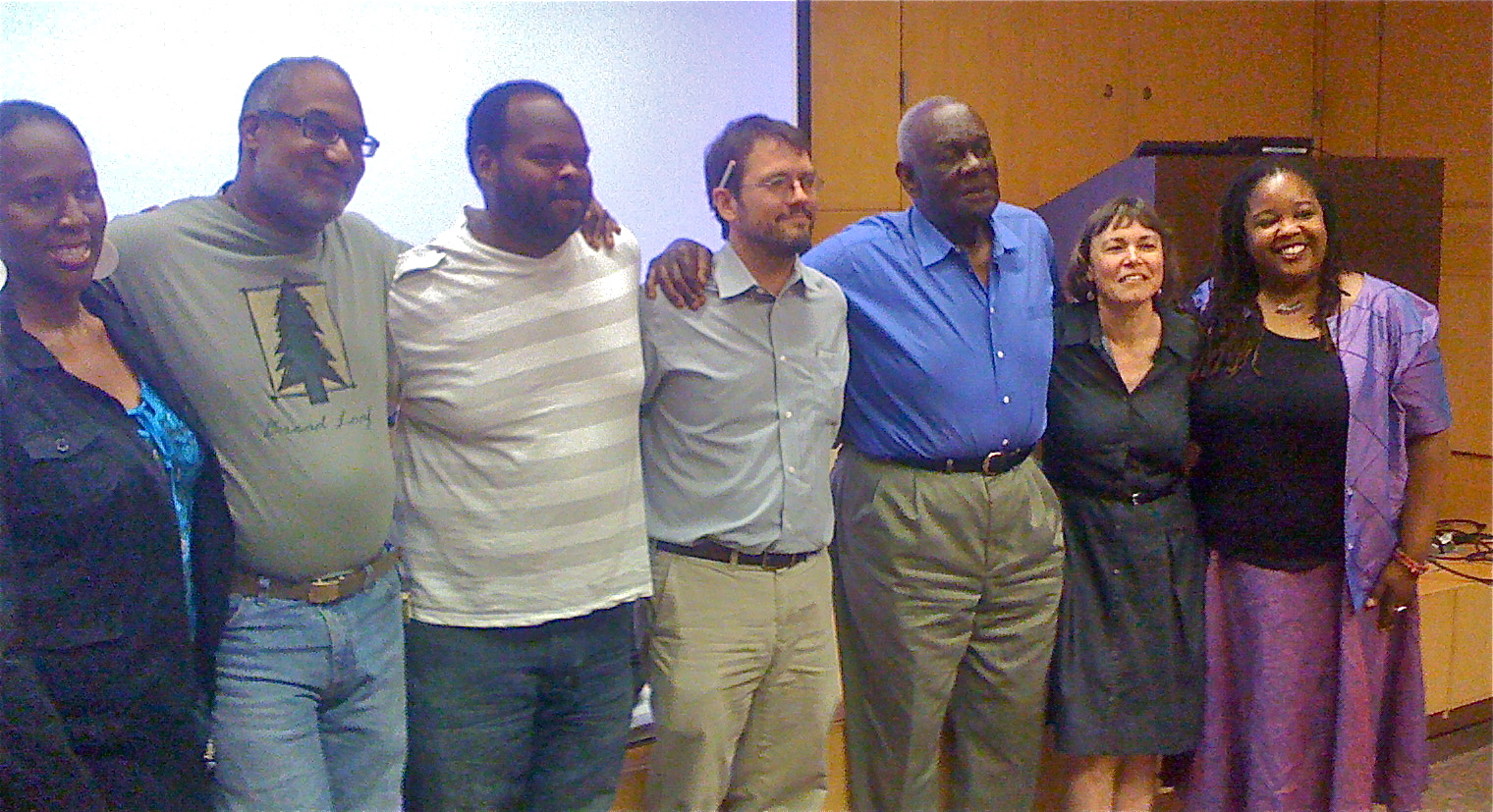
I want to commend Kim for bringing together the Hip-hop / Rap community and the conference poets. Russel Goings, author and crusader for black empowerment, said in the panel, Anthology of Rap– “Do we have a marriage here?”(of genres). He was answered by the commentator, Farai Chideya (multimedia journalist on TV and radio), “I think it’s a first date.” The “rhythm and words folks” from New York City, especially the amazing Freestyle Queen, Toni Blackman – Musical Ambassador, performer and writer – brought fresh, delicious word music. From her website: “She’s all heart, all rhythm, all song, all power, a one-woman revolution of poetry and microphone. An award-winning artist, her steadfast work and commitment to hip-hop led the U.S. Department of State to select her to work as the first ever hip-hop artist to work as an American Cultural Specialist.” May Toni be back next year, teaching and sharing the difference, for example, between RAP and SPOKEN WORD.

The Hip Hop / Rap folks including Toni Blackman (L), Andrew DuBois, Russel Goings (blue shirt), and Farai Chideya with Kim Bridgeford

I’m going to be following the direction of the conference with interest. And, it’s time to get Patricia Smith on faculty! Thumbs up for WCUPC.
<>  <>

*Kim Bridgford, is the editor of the online magazine Mezzo Cammin (www.mezzocammin.com), and the founder of the Mezzo Cammin Women Poets Timeline Project, launched last year at the National Museum of Women in the Arts in Washington; it will eventually be the largest database of women poets in the world. She is the author of five collections of poetry: Undone, nominated for the Pulitzer Prize; Instead of Maps, nominated for the Poets’ Prize, and others.
 

More on these people: Youtube Toni Blackman: “Hip-hop is tagging your heart, not walls….”

http://www.youtube.com/watch?v=lh0M67j2oA0&feature=related

Interview with AE Stallings: < http://www.cortlandreview.com/issue/19/stallings19.html&gt;

<>

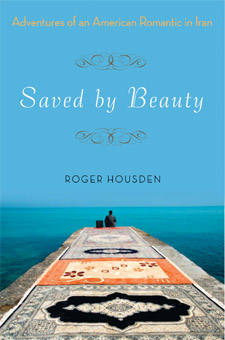
Saved by Beauty: a new book about Iran

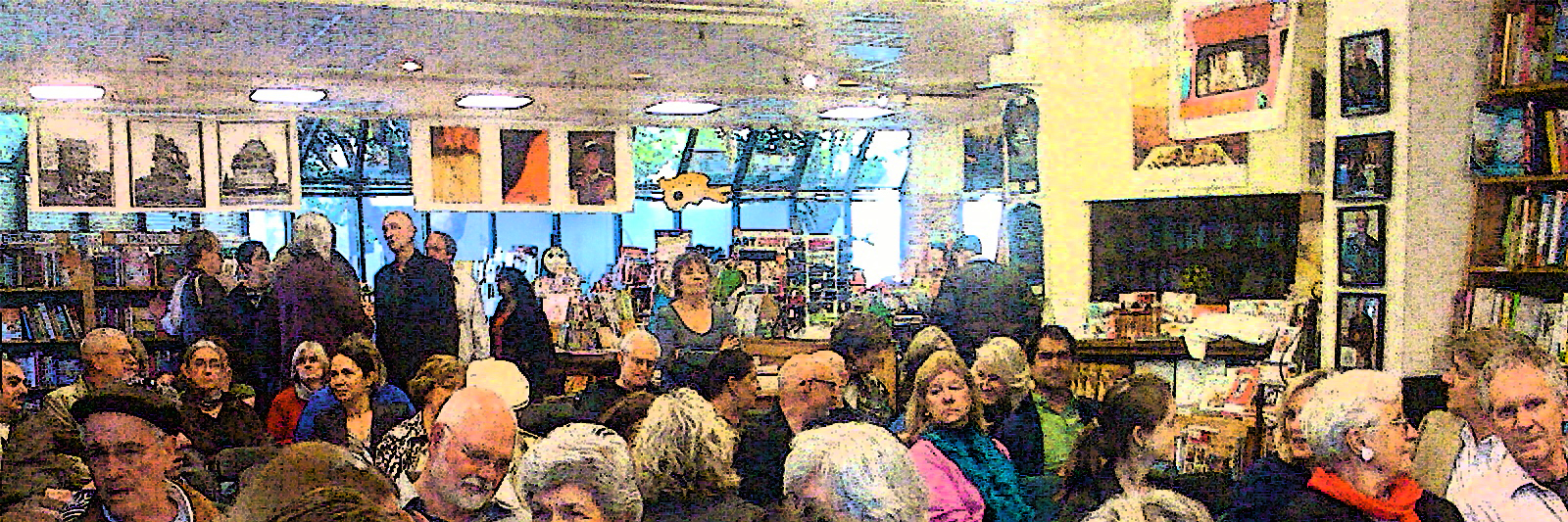
On a Thursday  a couple weeks ago, Roger Housden launched his new book at the Marin bookstore  Book Passage. He shared the stage with Peter Coyote who asked him good questions. About 100 people turned out. Roger told the audience: “When I went to Iran I wanted to meet the creative people. Iran is 3,000 years old! Human rights, Sufi traditions of love and wisdom. I wanted to see how these were carried on in present day Iran.”

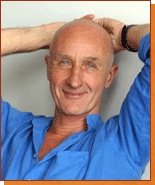
Roger Housden

Roger Housden has written a fine book.

Saved by Beauty, Adventures of an American Romantic in Iran is an elegant bridge between cultures. I read this slowly, tasting the literary flavors – not my habit, since I read quickly – even with poetry. I’m not into sappy “romantic” stuff. But this book is fresh and compelling. Unexpected. He is detained by Iranian Security. I mean really detained and questioned over and over. Scary.

There are gardens. “Paradise derives from the old Persian word for “garden,” pardis,” Roger writes. “So important was the garden in old Persia that when a new city was planned, the gardens would be planted before any foundations were laid.” You will want to read this chapter. He sketches the garden of Naranjastan in Shiraz with words that seem to be colored with artist’s pastels. Back in the hotel he checks in with the poet Rumi, whose book he carries on his journey. He opens to these words: Remember the proverb, Eat the grapes. /Do not keep talking about the garden./ Eat the grapes.

Some chapters are spicy. He is welcomed by Toufan, highly placed in the sophisticated Iranian film world. She is a woman who lived in L.A. for years, then moved back to Iran after her thirteen-year-old daughter suggested it. When Roger said he’d like to meet a Sufi Sheikh, she told him, “Sufism is all the rage here now… it has become fashionable with the upper classes the way Kabbalah has in the West because of Madonna.”
A friend in America gave Roger a jar of marmalade to take to her as an introduction. Toufan began the chain of connections that would bring him to the door of many creative and interesting Iranians.

She introduces Roger to the artist Haleh, who says: “Women in Iran today are breaking the hijab of expression, both politically and artistically. Women are expressing themselves now in every art form in a culture where they have been taught not to reveal themselves… And you know what gave them permission? The Revolution. The Revolution created a new form of language for foreign relations that was unapologetic, angry, and direct. That had never been known in Iran before…”

He travels around the country by himself and discovers Iranian Judaism, the Zoroastrians, and the Sufis. He savors the visual elixir of the heart of Isfahan – the Royal Mosque. He writes, “Isfahan is the Florence of the Orient, without the tourists.”

People, places, and a stunning experience that is life changing. He takes us along through the police interrogation. He emerges a changed man. “And yet, the very absence of my well-worn identity felt like a sudden breath of freedom: like taking off a tight fitting suit I had not even realized I was wearing.”

Saved by Beauty by Roger Housden, Broadway Books, Crown Publishing, 2011.

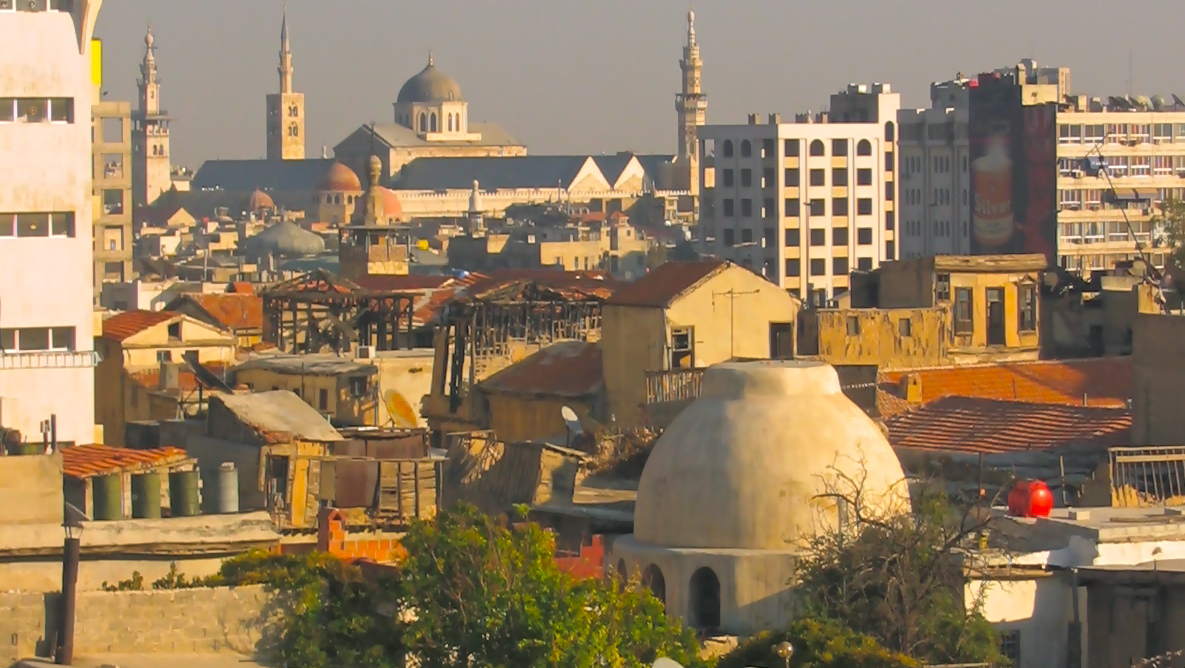
Damascus, and wishes for peace in Syria

It’s sad to consider Syria and how it is thrown into the news these days. The country comes across as a place of oppression and cruel dictatorship, a place where the USA has “invoked sanctions.” Along with many other countries in the region, the young people are burning with a desire to be a modern democracy – a painful process. To me, Syria is like a venerable great-grandparent, a country containing one of the oldest continually occupied cities in the world. I want to honor this place and the people who were friendly and kind to me.

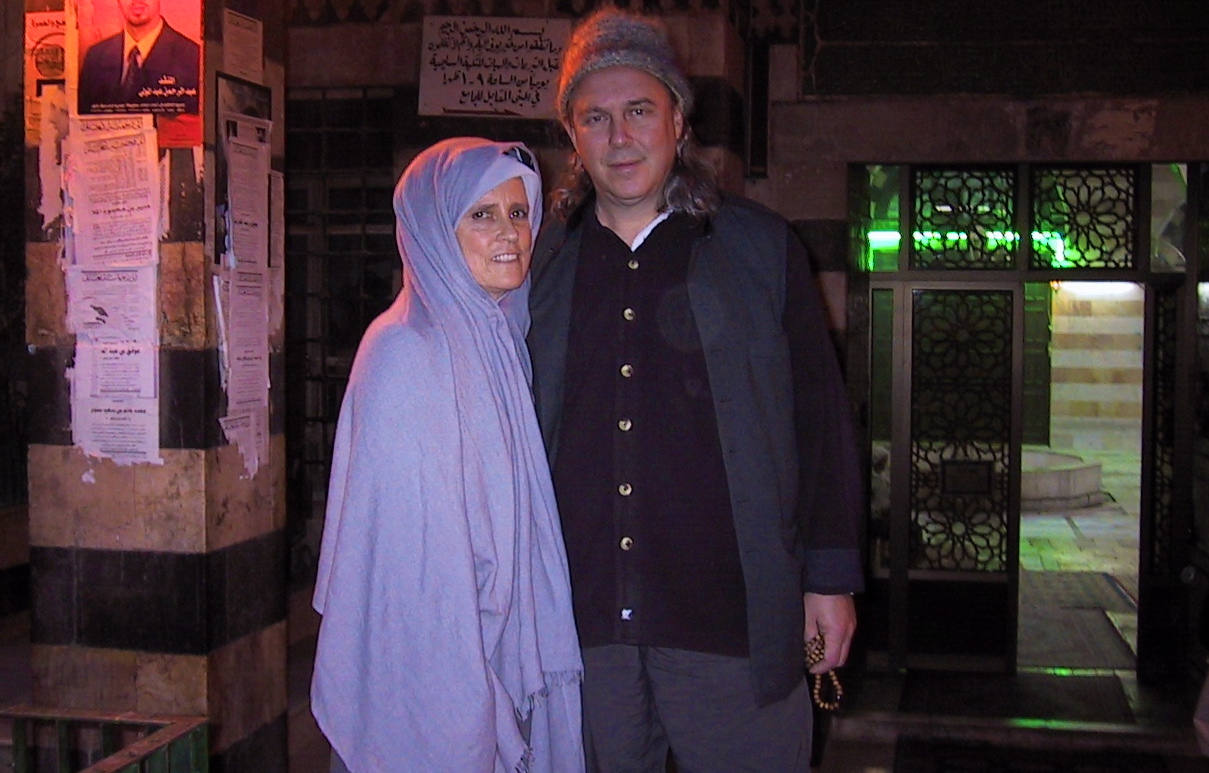
I fell in love with Damascus in 2003. I was alone in that city, alone in my hotel, as my

with Shabda at Ibn Arabi's shrine

husband and the group stayed at Dar Meir Musa a couple hours north in the mountains. But I felt at home here. My husband, Shabda, was on a TV show like 20/20. One man with a mop stopped me in the hall. “Salaams. I see your wife on TV!” He meant “husband.” English is a rare language here. I felt safe.  It’s like this: if I set my handbag down on the busy sidewalk and walked away, someone would grab it and run after me, calling in French and Arabic, eager to say that they are returning this to me!  But that was before the city was flooded with Iraqi refugees in the last 5 years. Still, you could NEVER do that in New York or Rome. In any Western city. My favorite memories are strolling the streets after the Ramadan fast-breaking meal among the families and baby strollers. At about 10 pm it felt like a festival. One evening I bought a warm nightgown with the word “dream” set in small crystals on the practical grey fabric. I still wear it – 8 years later – and dream of Damascus.

Prayer for Syria 2003                         
I
Let there always be sky
choreography;
pigeon flocks in formation
Brown, cream and pinto,
wings sunlit, dull,
then colored again –
wings above Damascus, lifting my eyes
higher than the minarets.
The flock comes apart – bird by bird
onto the coop below my window
while the world of Ramadan breaks fast and
clusters of girls and women
pressed into gray winter coats,
scarf-headed, more modest than pigeons, stroll souk
and sidewalk.
II
Syrian Times tucked under my arm,
I pass through groups of Saudi oilmen,                                                                                                     slow and easy on the sidewalk, clicking
beads in the morning sun.
Brown cloth falls from their wide shoulders,
lifts in the breeze of the revolving door
of the Cham Palace Hotel,
where the concierge sits at her desk, flipping
her dark hair absently with a gold pen.
III
In the bird market, pigeon buyers
assemble an all white
or black collection; match feathers to                                                                                                          a herd of goats. Chickens
have learned to stay put,
tethered by kitchen string above
a box filled with rabbits whose soft
feet never touch the floor.
IV
What am I tethered to, and with whom do I weep,
soar and turn? Muslim women here correct me
in the saint’s shrine; they are trying to
squeeze me into the only flock they know.
I say: let Syrian women be safe from harm.
May they find themselves on sidewalks
decked in winter coats vivid as tumeric, coats
colored lemon rind or pomegranate juice.
V
Parting from this city with its ancient trees, sweet
with songbirds, we arc above the earth
rising 37000 feet over the pole.
Let there be connectedness and peace – a wish held by
all who fly – between the ground we rise from,
and the place we land. <>
 

With regard to the “Arab World,” Chris Hedges https://www.commondreams.org/view/2011/05/02?print writes: …So I was in the Middle East in the days after 9/11. “We had garnered the empathy of not only most of the world, but the Muslim world who were appalled at what had been done in the name of their religion… And the tragedy was that if we had the courage to be vulnerable, if we had built on that empathy, we would be far safer and more secure today than we are.”

If you want to read more about MY ADVENTURES IN SYRIA, go to SEARCH under Tamam’s links on screen right and type in: “Syria.”

PRECISION –––

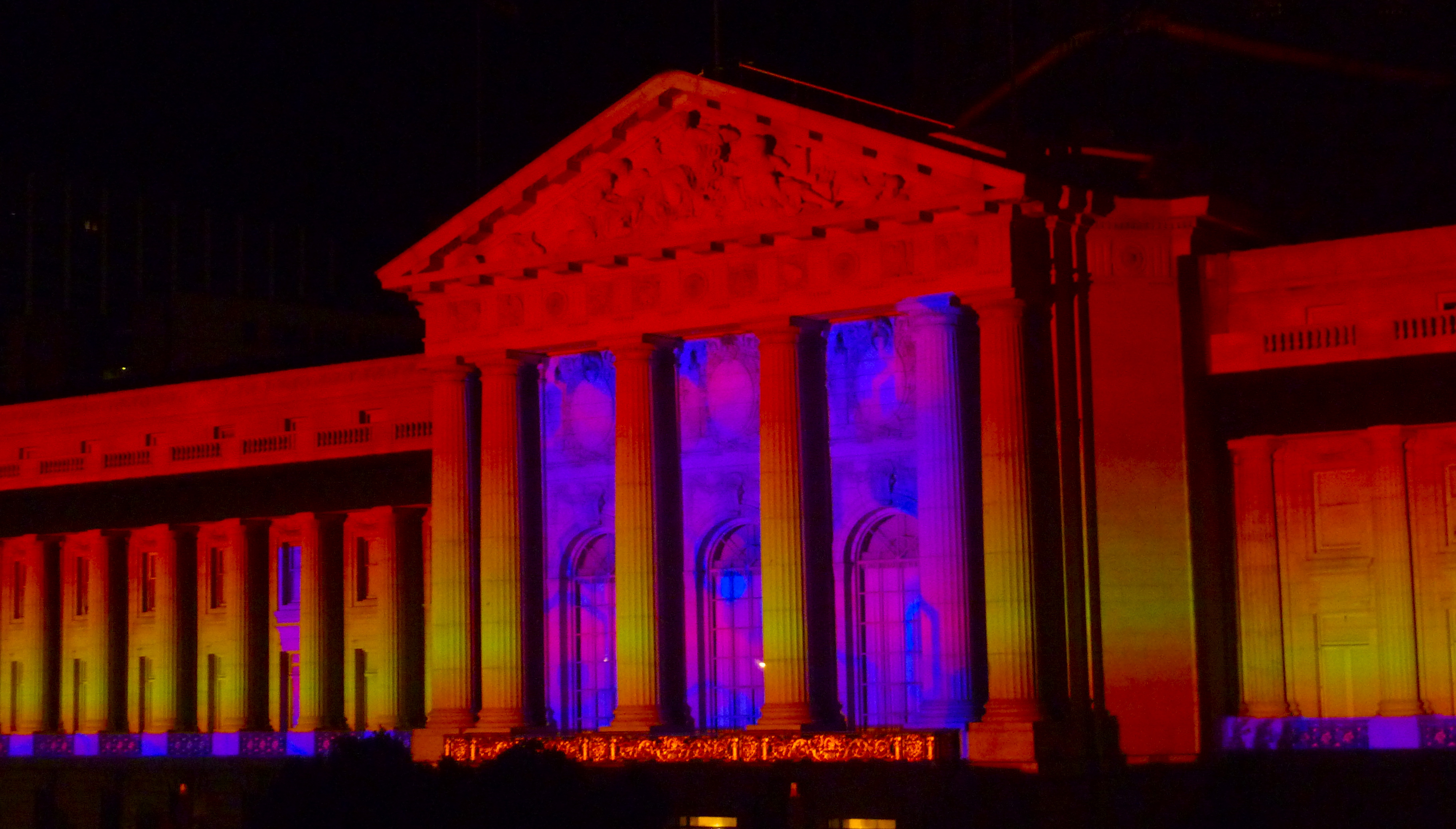
Light show on City Hall,San Francisco 2010

I’ve re-done this blog post dozens of times. Precision takes practice……..

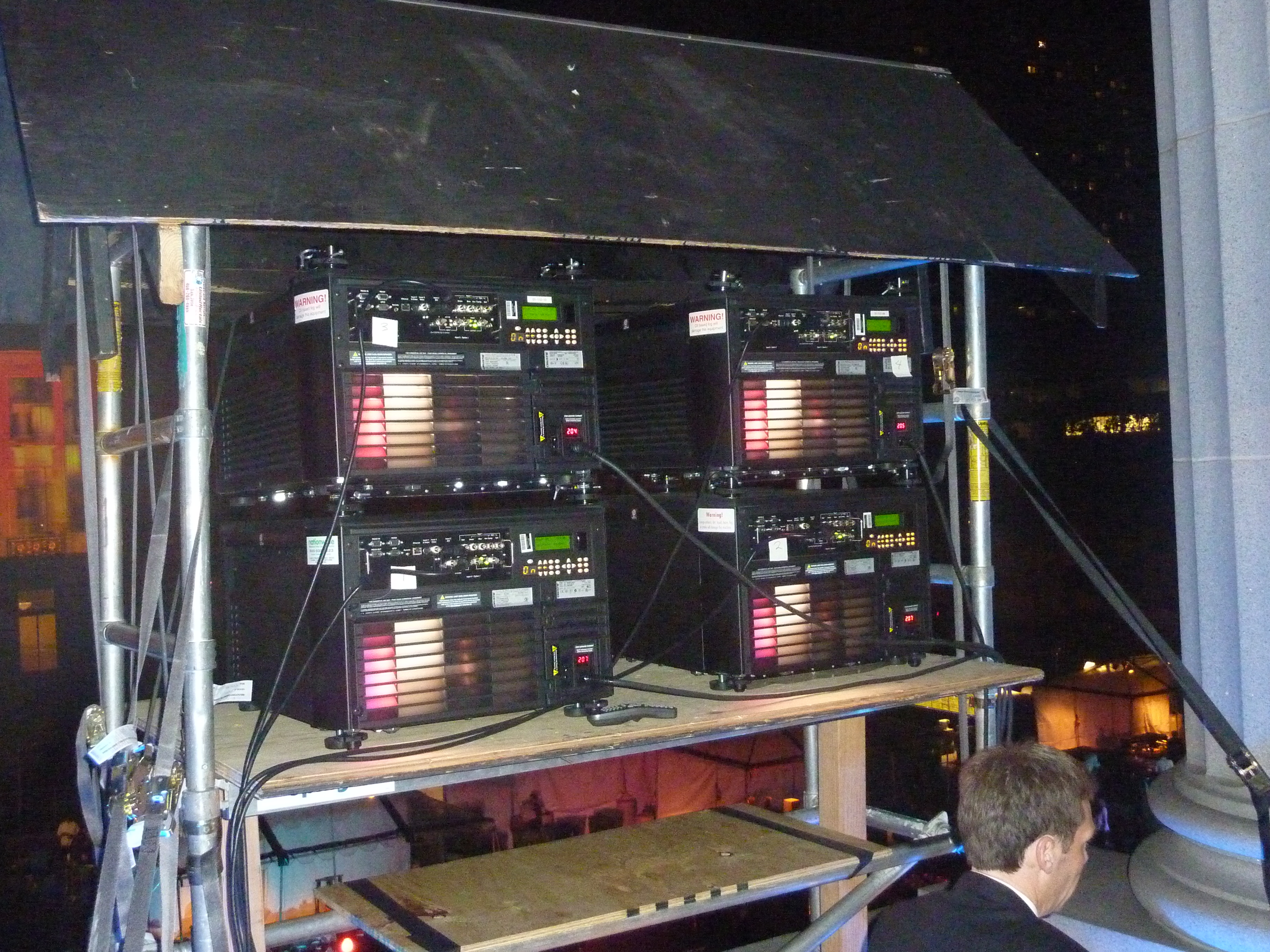
This visual was made by 4 very expensive projectors from Obscura Digital  tec company during the Black and White Ball last spring. My son, Ammon, works for Obscura. Their technology is mind boggling. Here is the equipment, worth around 2oo grand. Their reputation with light and color is built on edgy modern precision.Obscura's projectors

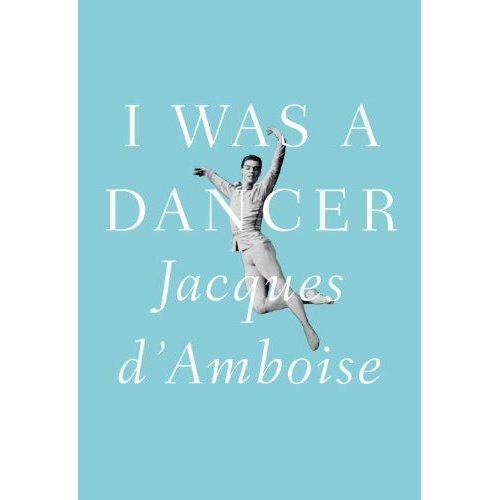
The book, I was a Dancer, by Jacques d’Amboise is my current favorite read. He tells this story about precision that I love. The set up: he’s teaching 100 kids.  “All one hundred of you have exactly 30 seconds to get out of your chairs and move to the stage. But when you arrive, spread out and hold still. But – no noise, like ghosts.” It doesn’t happen. “They run, yelling and giggling… You failed the test. There was noise and most of you got there too soon… They usually get it the second time.” He congratulates them. “Once the children see that we are having a class of precision, order, and respect, they are relieved. It’s the beginning of dance. Precision and exactness are steps toward  truth.”p. 366.

Precision. In the arts, in life.


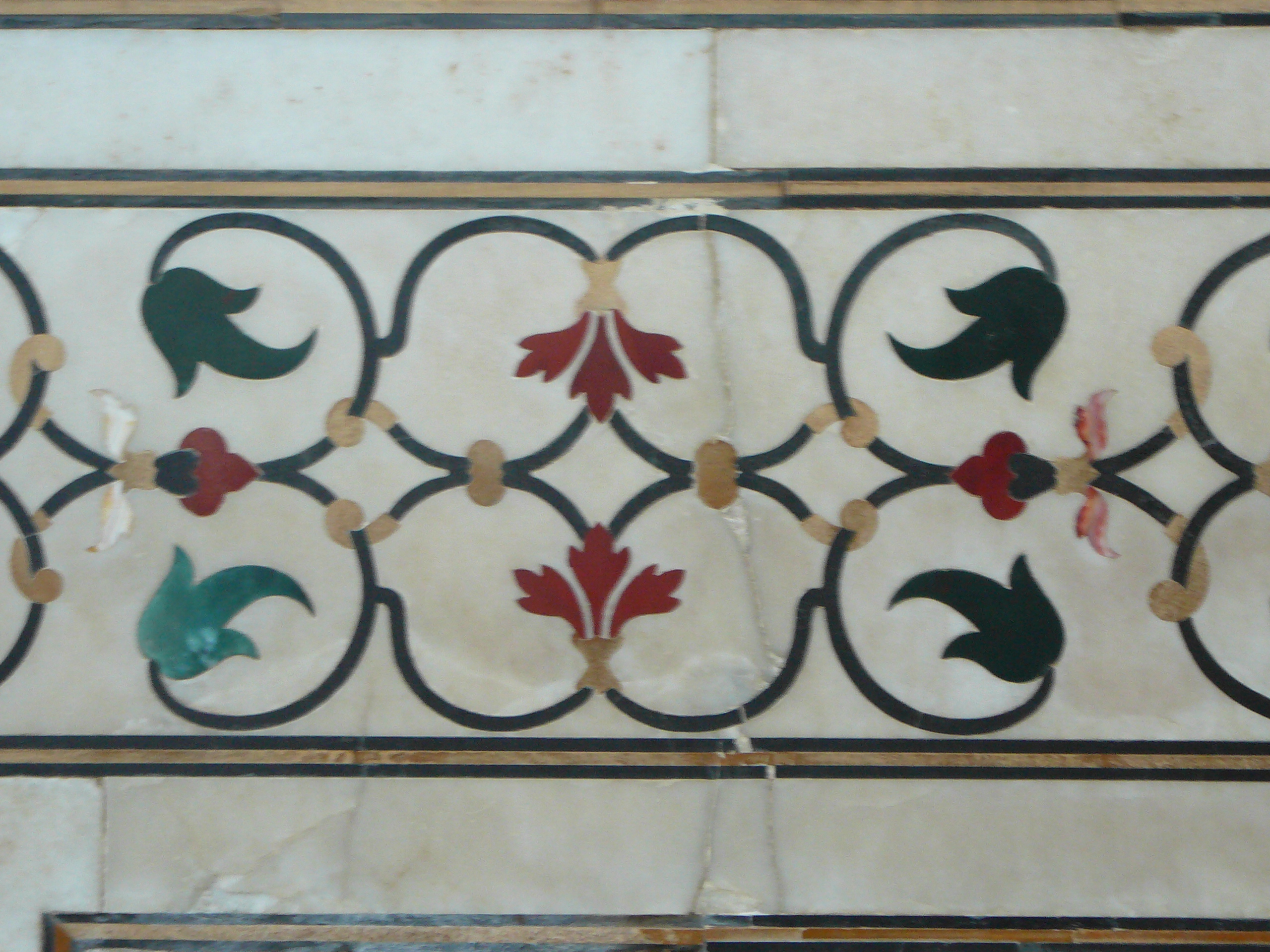
an inlayed tile from the Taj Mahal

The Precision of Pain      by Yehuda Amichai/ trans. Chana Bloch
The precision of pain and the blurriness of joy. I'm thinking 

how precise people are when they describe their pain in a doctor's office.

Even those who haven't learned to read and write are precise:

"This one's a throbbing pain, that one's a wrenching pain,

this one gnaws, that one burns, this is a sharp pain

and that––a dull one. Right here. Precisely here,

yes, yes." Joy blurs everything. I've heard people say

after nights of love and feasting, "It was great,

I was in seventh heaven." Even the spaceman who floated

in outer space, tethered to a spaceship, could say only, "Great,

wonderful, I have no words."

The blurriness of joy and the precision of pain — 

I want to describe, with a sharp pain's precision, happiness
and blurry joy. I learned to speak among the pains.
~    ~    ~    ~    ~    ~    ~


Zuleikha

W.S. Merwin had it about right when he spoke of the insufferable need for precision. He said, “Poetry is like making a joke. If you get one word wrong at the end of a joke, you’ve lost the whole thing.”

Gustave Flaubert had a different way of saying the same thing: “Poetry is as precise a thing as geometry.” Conrad Geller

“What (Emily) Dickenson sought to achieve in poetry was, a mathematical accuracy applied to human “ardor and grief.” “All of Dickenson’s poetry,” comments Helen Vendler, “is an attempt to fix precision… on a maelstrom of emotion.”  Because I could not stop for death –– /He kindly stopped for me––/ The carriage held but just ourselves––/ And immortality… [Emily Dickenson, poem #712].

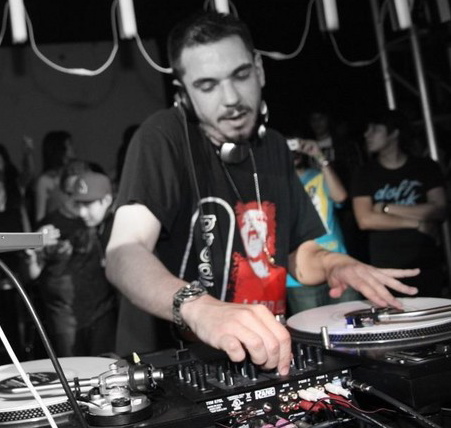
the late, great DJ AM

I am planning to attend the WCU formalist poetry conference in Pennsylvania the beginning of June. I’m going to study meter with Timothy Steele. Sonnets and Iambic Pentameter. Hard stuff for a poet not in school. <>

Masters of Precision:

DJ AM comes to mind here. Precisely.  He took rhythm and music into another dimension…

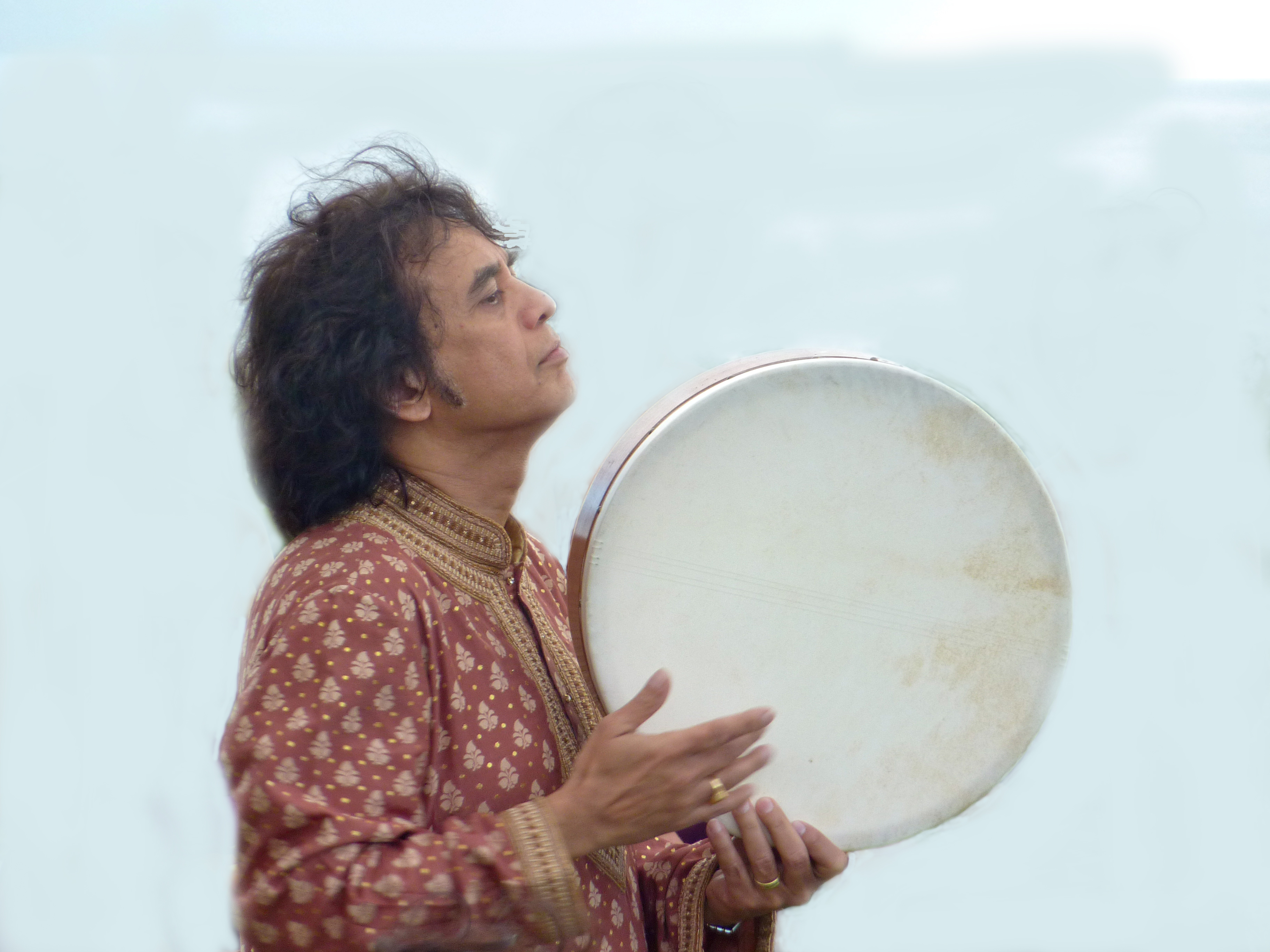
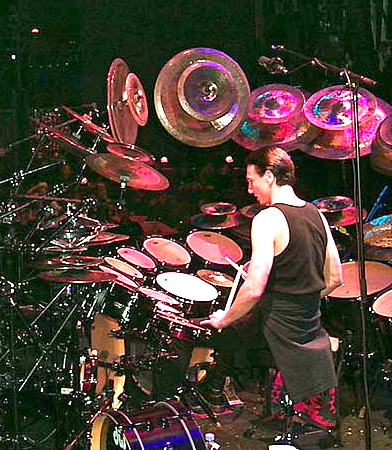
In the world of drum rhythm there is the Indian-born Tabla Master, who lives in Marin County, California, Zakir Hussain and the American trap drummer who grew up in Marin, Terry Bozzio.

The wonderful Zakir Hussain is the best in the world at what he does. Here is what some reviewers have said of him: tabla drum master with intricate, continually nuanced rhythms, virtuoso, intuitive player, uses swift, precise, rhythmic articulation... These words are far from the experience. Poetry serves better.

Zakir Hussain

Terry Bozzio is a favorite drummer. I like this description of Terry Bozzio’s drumming by Ryan Baker. <www.precisiondrumming.com> (commentary on the drum solo in the song, “I will Protect you.”) It’s like the split second lift at the crest of a roller coaster, or the feeling you get just as your parachute catches. The fury is the heart of the solo… Toward the end, when the rhythm simply can’t go any faster, he again creates an illusion that it does by the rate of movement between different instruments, particularly between the snare and those tiny splashes in front of his face.

Terry Bozzio

And I might add, that I have had similar experience listening to Zakir, but you gotta hear it and feel it in your body! Words can only take you so far. But precision can take you further than most anything.

PRECISION. Pay attention to where it shows up in your life. <>  <>  <>

Dancing and Word Dancing

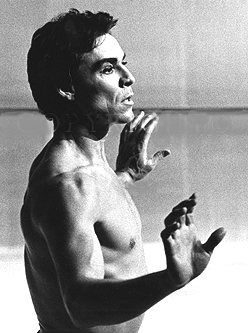
dancers, Jacques, Princess Grace and Balanchine...

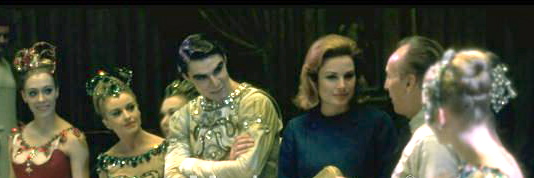
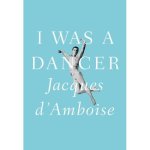
A couple of days ago I heard Jacques d’Amboise interviewed on public radio. There was so much joy and magnetism in his voice that I sat in the car outside the store, unwilling to leave the delicious stories that poured out of this seventy-six year old. With his new book, I was a Dancer, just out from Knopf, he has become a word dancer. This man is a force. I ordered the book on kindle, and have been reading it and looking at the tiny photos of the Balanchine era.
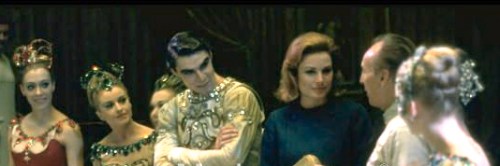
The Balanchine era.  In 1963, I was taken by my good friend and dancer, Bessie, to a rehearsal of the New York City Ballet Company. It wasn’t a dance class, but a run-through in a theater with 10 or so people watching for about an hour.

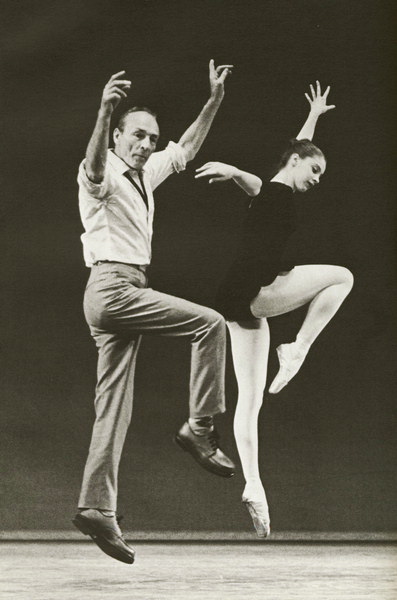
Balanchine and Suzanne Farrell

Balanchine was there, demonstrating, stepping in with comments and corrections. I hardly noticed the dancers. I was stunned by this man. I left the building that day with a new understanding of art, of magnetism, of command. I was in the presence of the master.

Back to the book. It was affirming to hear d’Amboise say, of Balanchine coaching: “He wrung tears from your heart.” Bernard Taper, dancer and choreographer writes in his book Balanchine, p. 10, “Balanchine turned to d’Amboise… going over various sequences together – facing each other, like one man looking in a mirror, while both of them danced. Occasionally they would stop for a few words of comment… then they would spring into action again face to face about three feet apart.” This was backstage at intermission and the stage manager had finally taken each of them by an arm and led them off as the next performance began.

And Jacques’ book takes us deeper into what it was like to dance at that level:

It’s an extraordinary thing to be a ballet dancer. You cannot divorce yourself from the music. You get up in the morning, you warm up, you stretch, you do a little floor mat. And now ballet class starts and for the next hour or hour and a half, music is your floor, and you are interpreting that music by the way you move. No sooner do you finish, and then you have five minutes before you’re in rehearsal. You rehearse for three hours. You may be in one room with Jerome Robbins, you may have three hours with Balanchine, you have an hour’s break to eat lunch but you don’t eat lunch, because you’re going to be rehearsing all afternoon. So except for a one-hour break, you have been going nine hours with music. Now, it’s six o’clock. You’ve got two hours before the curtain goes up. During those two hours, you eat something, but not much because you’ve got to perform. So you shower, you wash, you put on your makeup, you go on stage, and you practice what you’re going to do when the curtain goes up. Or work with your partner. Or if somebody’s injured, you learn what you’re going to have to do to replace them. Now it’s a half hour, right? You’re in your costume. Fifteen minutes, curtain goes up, you’re out there with the symphony orchestra. Stravinsky’s conducting, or Robert Irving. And you’re dancing to Tchaikovsky or Mendelssohn or Chopin or whatever. Incredible music. Now it’s eight. If there was a pas de deux and I wasn’t a principal dancer yet, I’d always be in my dressing-room costume and get down to catch the last act. It’s now eleven o’clock. You’re ravenous, exhilarated, on a high. And you go pig out on food and you go to bed at twelve thirty or one o’clock, and then get up and do it all again.  
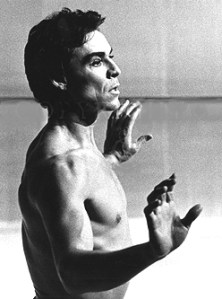
Jacques experienced dancing the role of Apollo in 1957 at age 23. It was a rare piece that he did without the intricate guidance of Balanchine, copying his every move. He had recently returned from 7 Brides for 7 Brothers, (a hit film he stared in), and back in the ballet world, he “breezed through” Apollo. He writes: “ knew it wasn’t good.” He had a “dark night” of his ballet career. Instead of relying on the master,  “I took each step, analyzed it and practiced, repeating it over and over, again at different tempi ––slow motion, then fast, faster –– even danced with my eyes shut, to explore the possibilities in the movement… It took two hours to get through a two-and-a half-to-three-minute variation. I even practiced breathing, where and how I would breathe… I’d stumbled upon an interesting paradox: through detailed practice and countless repetitions, there is freedom. Apollo launched me on a new trajectory.”
Jacques today

Again this book touches deeper. For fourteen years I relied on a gifted poet and editor to be my second pair of eyes, to look at every poem or piece of prose I wrote. She has an eagle eye and an ear that hears the inside music of words as they go by. Every step I wrote was critiqued by her. Then, after my book was accepted and I became an author, this part of the relationship was over. I felt I could no longer ask her to do this, She didn’t volunteer.  I was deeply sad. So what Jacques did with movement, I am beginning to do with words.

I am attending a formalist poetry conference as a student of the craft, and in preparation, I’ve opened Marilyn  Hacker’s book, Winter Numbers, and I am counting syllables of her sonnets, looking at her rhymed words. I am counting in iambic pentameter. I have returned to the essence of language because I don’t know what else to do, creatively. I feel as though I’m a bottom feeder, working my way toward the surface of the art of poetry one word at a time. Jacques d’Amboise wrote, Through detailed practice and countless repetitions, there is freedom. May it be so! <>

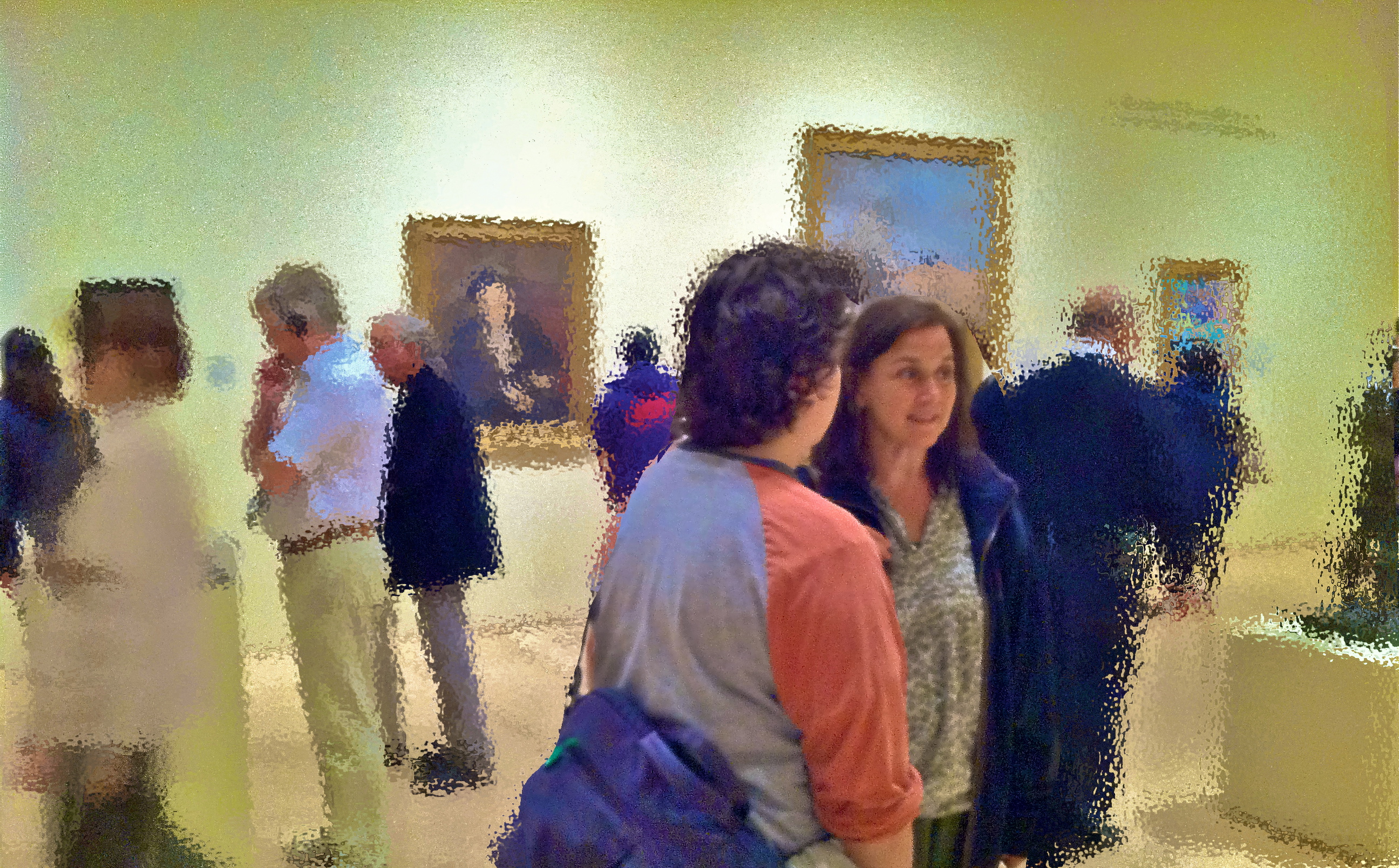
the Islamic Cultural Center, Oakland: Hadith talk

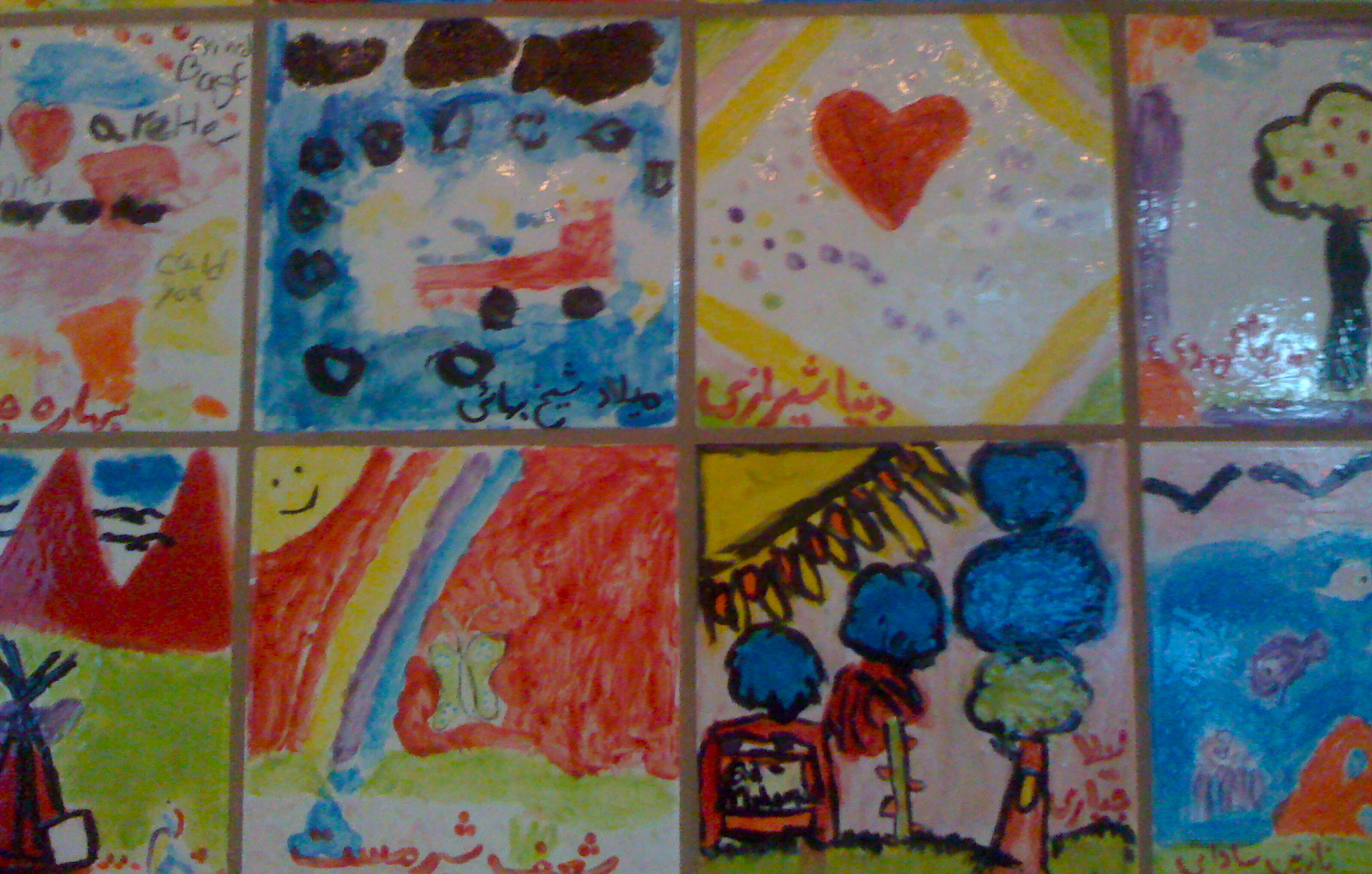
children's art: Islamic Cultural Center

A comprehensive book on HADITH in an easy-to-read format. That is, the transmissions of what Prophet Muhammad did and said. This was compiled and written down centuries ago and is now revisited by an American man born in 1977. I ordered the book and then went to hear him speak.

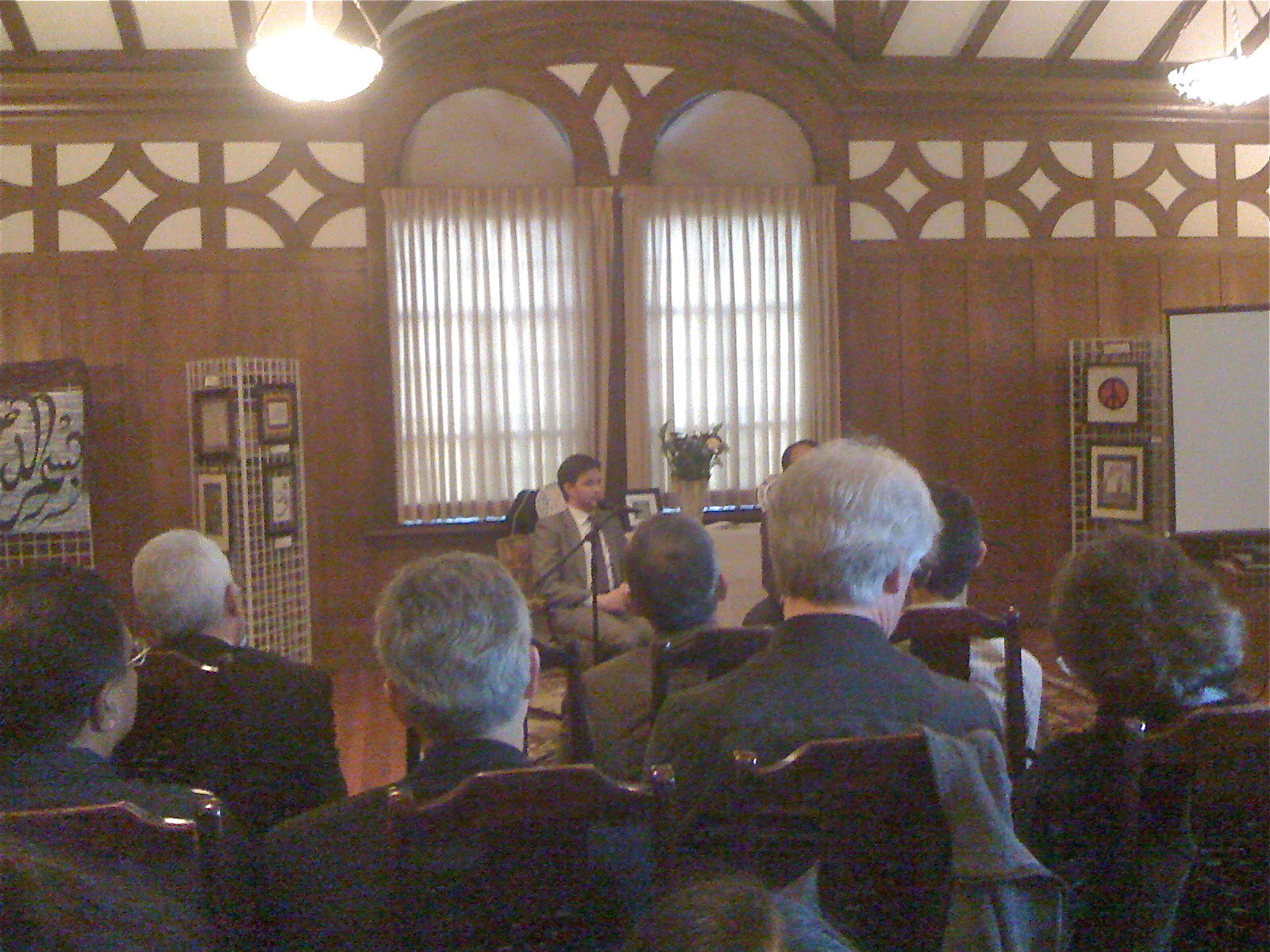
Jonathan A.C. Brown

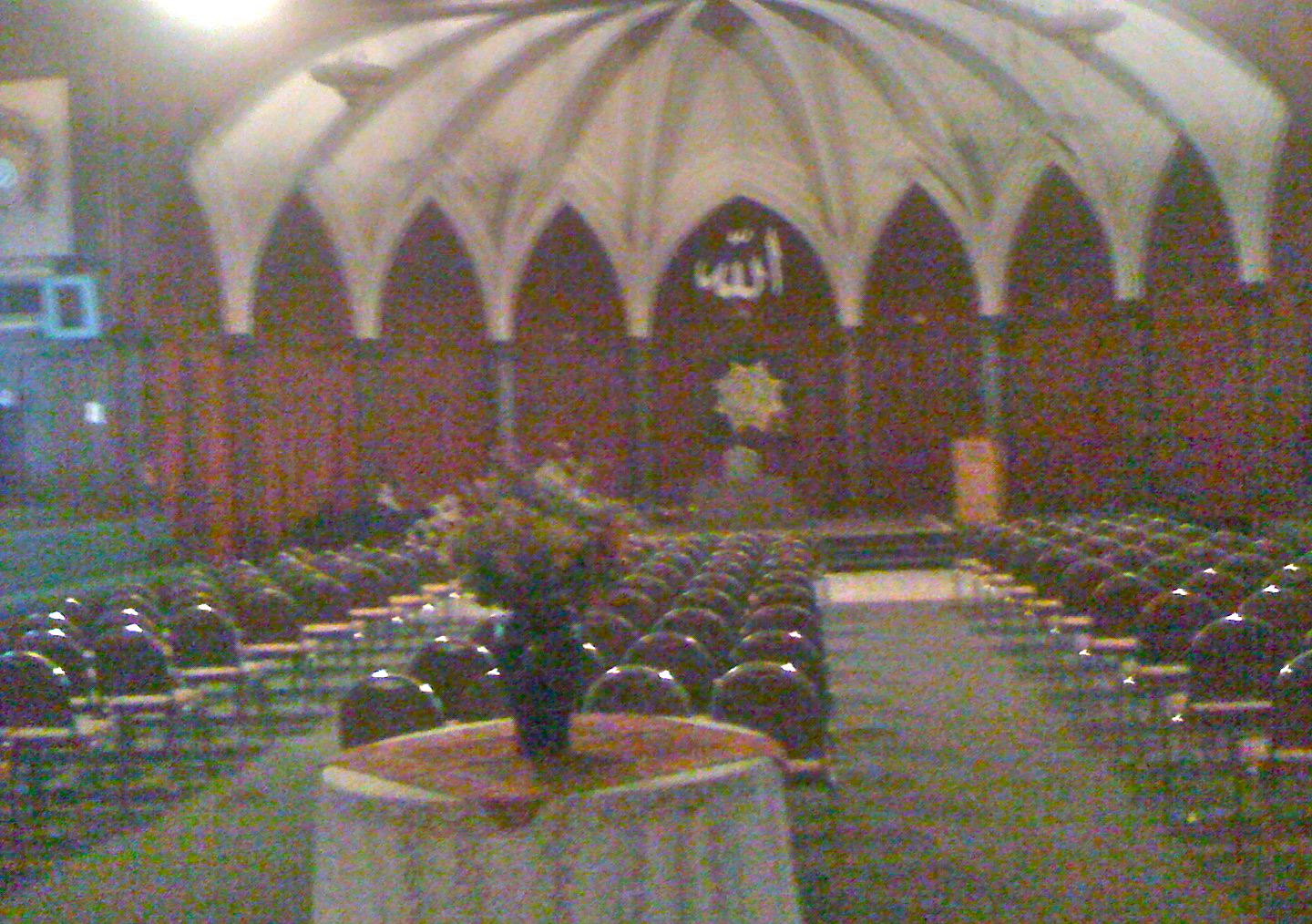
Jonathan A.C. Brown was invited to the Islamic Cultural Center of Northern California (the ICCNC), an impressive building near Lake Merritt in Oakland. I had never been there.

main hall ICCNC

An old Maonic Lodge, what a cool place!

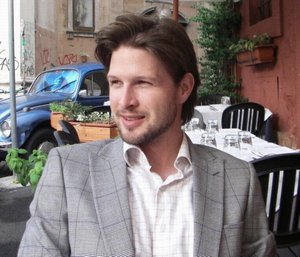
Hamza (Jason van Boom) is Director  of Developing and Marketing for the ICCNC and interviewer for the series: Islam and Authors.  Sounds promising; Islam and Authors.  I like the sound of that series. Hamza said they are considering my book, UNTOLD for a future talk.

Jonathan A.C. Brown, assistant professor of Arabic and Islamic Studies at the University of Washington, is fluent in Arabic, Persian, Urdu, Latin, French, and German. He studied Arabic in Cairo Egypt, has a Ph.D. from University of Chicago and a magna cum laude Bachelor of Arts from Georgetown University.

Brown's talk on Hadith In his talk Brown said, “The real discourse in Islam is what you do with the hadith. Look at it as something alive even if you don’t agree with it (a particular hadith).”

I liked this: “Imagine you are talking for 23 years and someone kept track of what you said.” That describes the context for the hadith quite well. It would follow that there would be contradictions, as happened with Prophet Muhammad.

I look forward to reading this book, Hadith, Muhammad’s Legacy in the Medieval and Modern World, Oneworld (Foundations of Islam series), 2009. Chapter seven is about Hadith and Sufism.

~After the talk my friend Hadia and I went to Pho 84, a small Vietnamese Restaurant on 17th street.

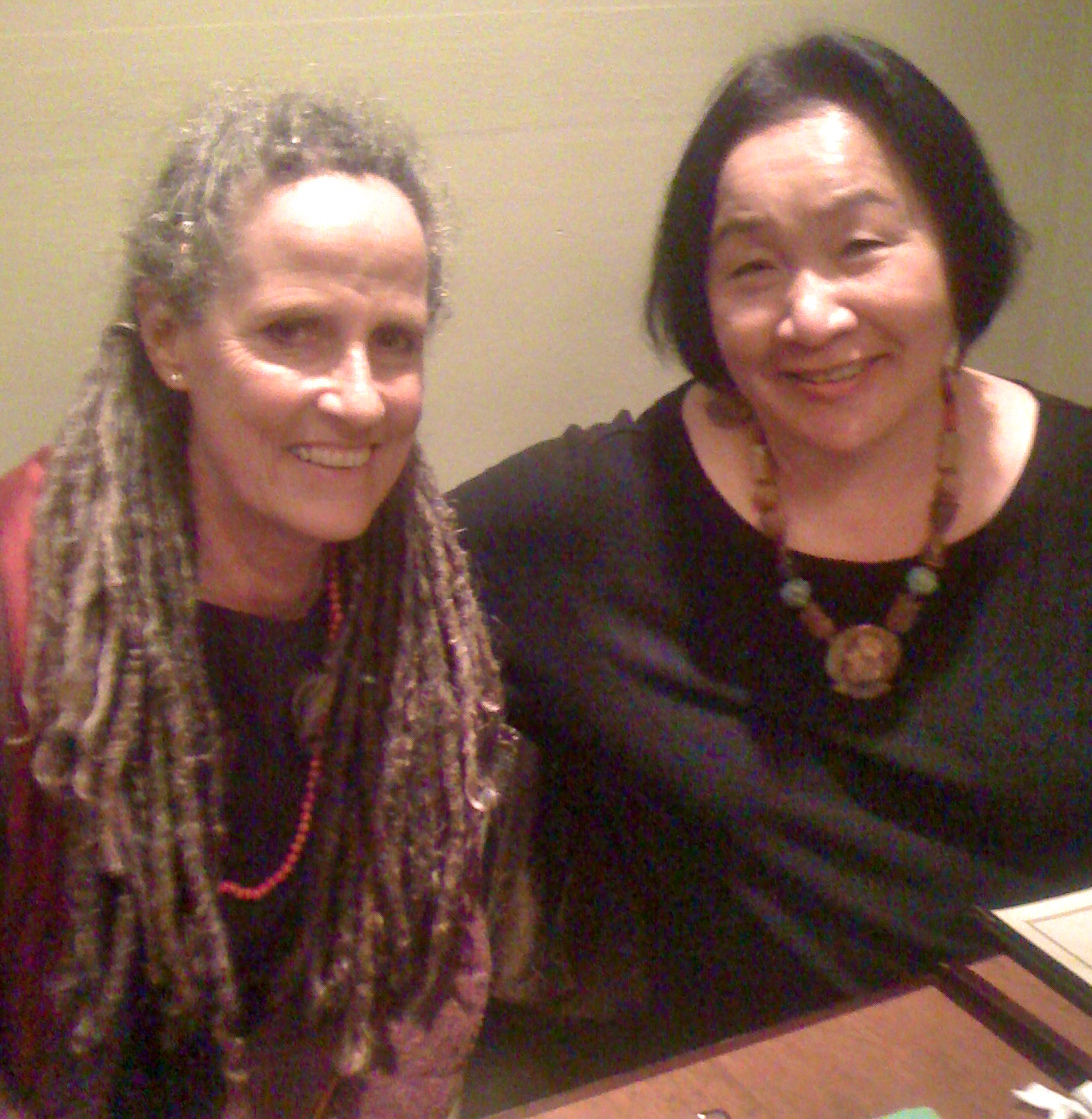
with Her Honor the Mayor

Mayor Jean Quan  and her husband Floyd Huen and a congressman arrived. I introduced myself, and Floyd took the photo of me and  the first woman mayor of Oakland ­– a no-nonsense, friendly person. I wanted a photo to go with the one I have with Mayor Gavin Newsom of SF!

I enjoy the quirky randomness of attending a serious lecture in a city just an hour from my home and ending the evening with Hadia discussing the good old days in Maroc –– then a photo–op with the Mayor of Oakland.

Life is good. <>
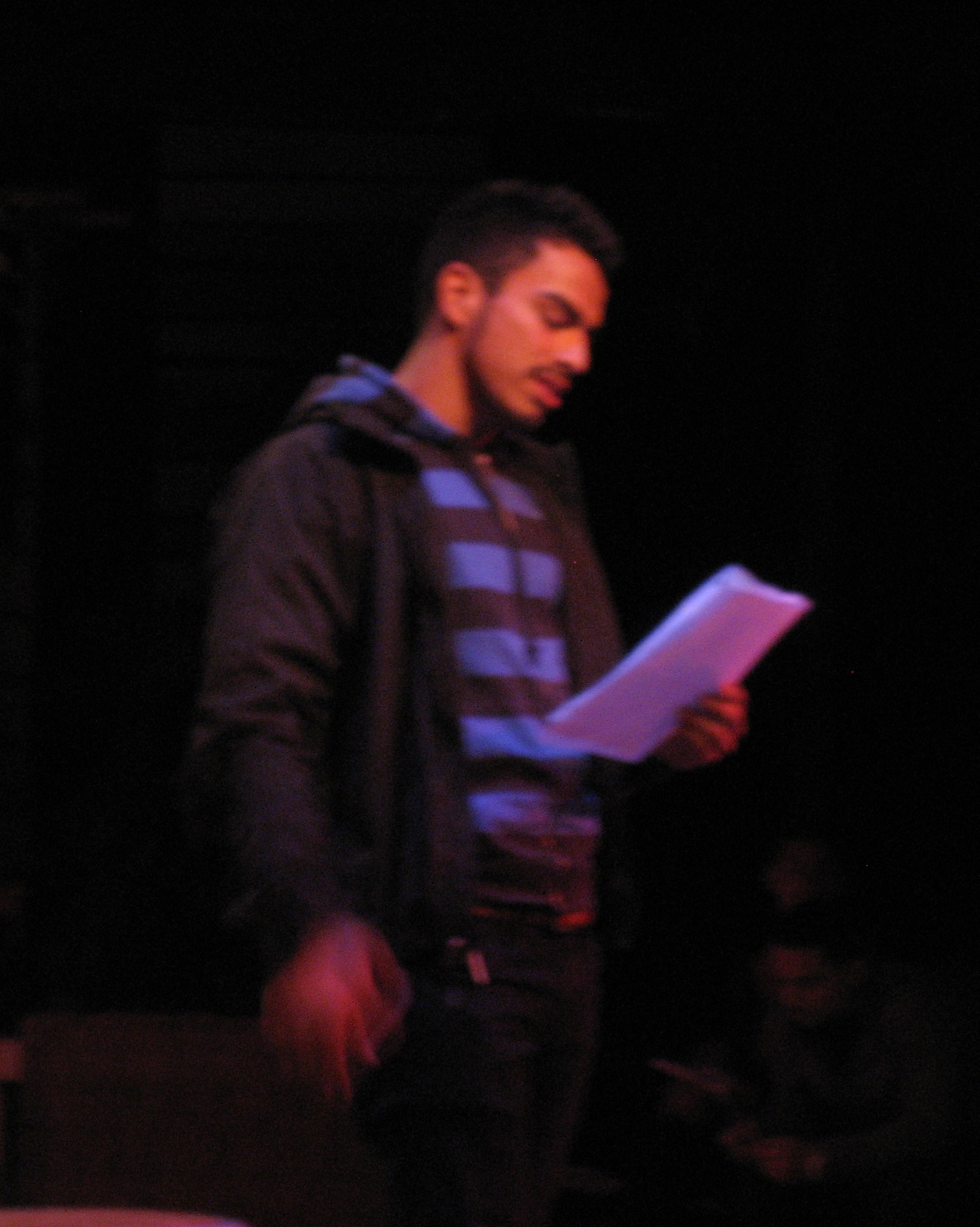
Poetry Night at Lincoln High~

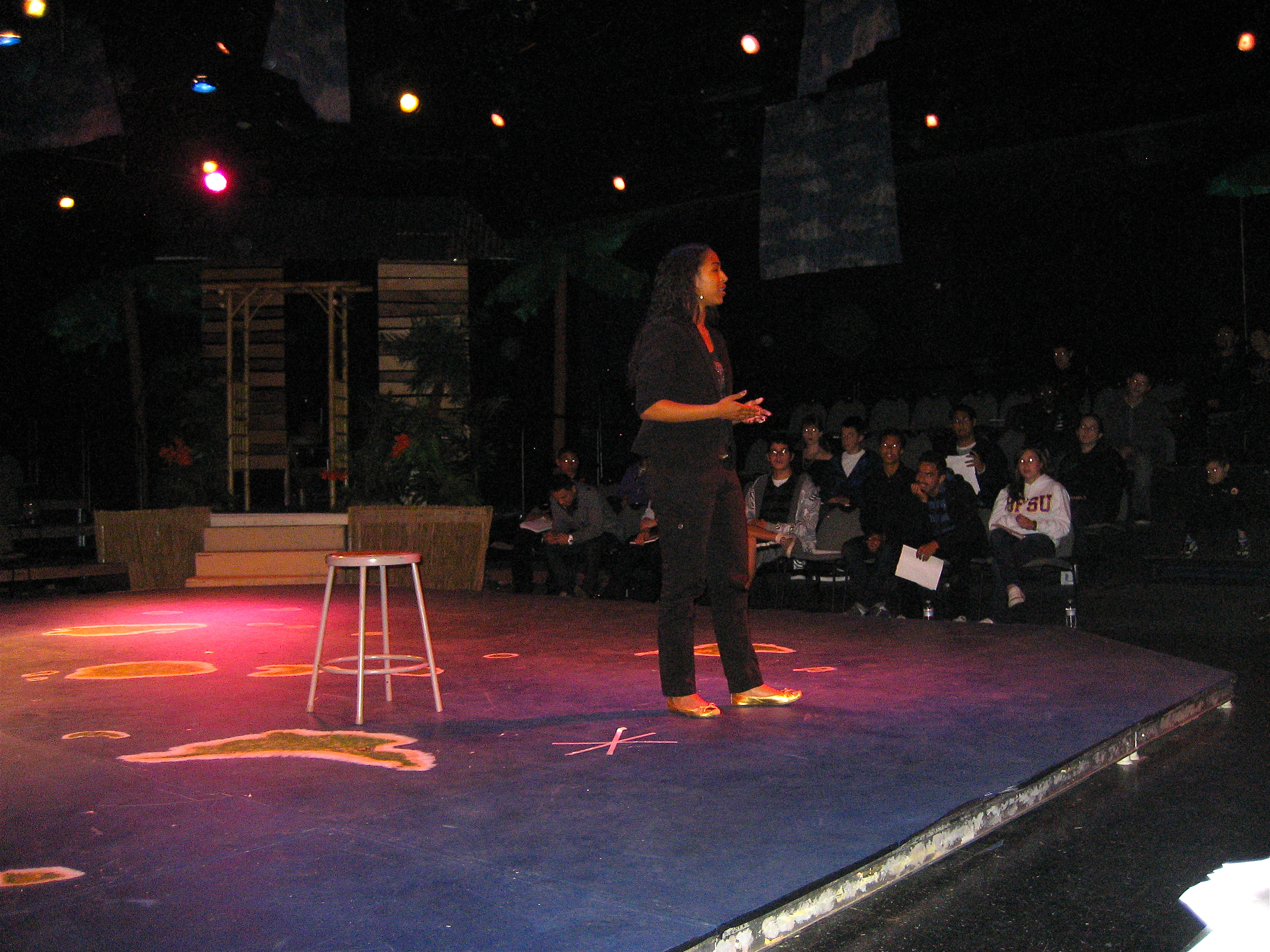
Poetry Night at the Black Box Theater

Last night Rachel and I drove to San Jose. I’d been invited to read six minutes of Spoken Word poems at the Black Box Theater at Lincoln High School. Jael and Anthony invited me back in January, when I read at Willow Glen Library. I said YES! without hesitation.

Tamam and Jael Cruz, the host

Some of the SJ Poetry Center folks were reading there: Pushpa, Dennis, and a couple others. The rest of the poets were students from Lincoln. This may have been the inaugural Poetry Night – benefiting the center for the arts. I donated 11 CDs with poetry and spoken word to be sold for $5. with proceeds going to Lincoln High Arts!

The Black Box Theater is a well designed space and I guess there were more than 60 students there, Gimo was the MC, and the event began a short while after the “sound check” and earlier than the announced time. There was a camera crew, and we signed release forms, but there was no mic. Didn’t need one.

I was lucky to go early in the evening, after 4 or 5 students, and announced as the first “special guest.” I told them “I like history and I do spoken word, so I’m putting them together tonight. About your own history –– once it may have been heartache and pain. Later it became something to talk about!” I introduced “Uncle Waraka”  and shouted it out, talking about Muhammad as “the Propheci’d Man.” Next came “Aisha and the Battle of the Camel.” This poem begins : “Hey Euphrates, I’m your tigress! I don’t digress but I risk speaking of the year 656….”

The audience was asked to click their fingers instead of clapping, so the recording people didn’t have to deal with  bursts of sound.  Pushpa read some good poems. One line of hers was: “I’d rather have poetry than oatmeal for breakfast.”

I felt it was an honor to read there. I hope this becomes a regular event. Thanks Jael and Anthony. Lets hear it for Lincoln High poets!<>
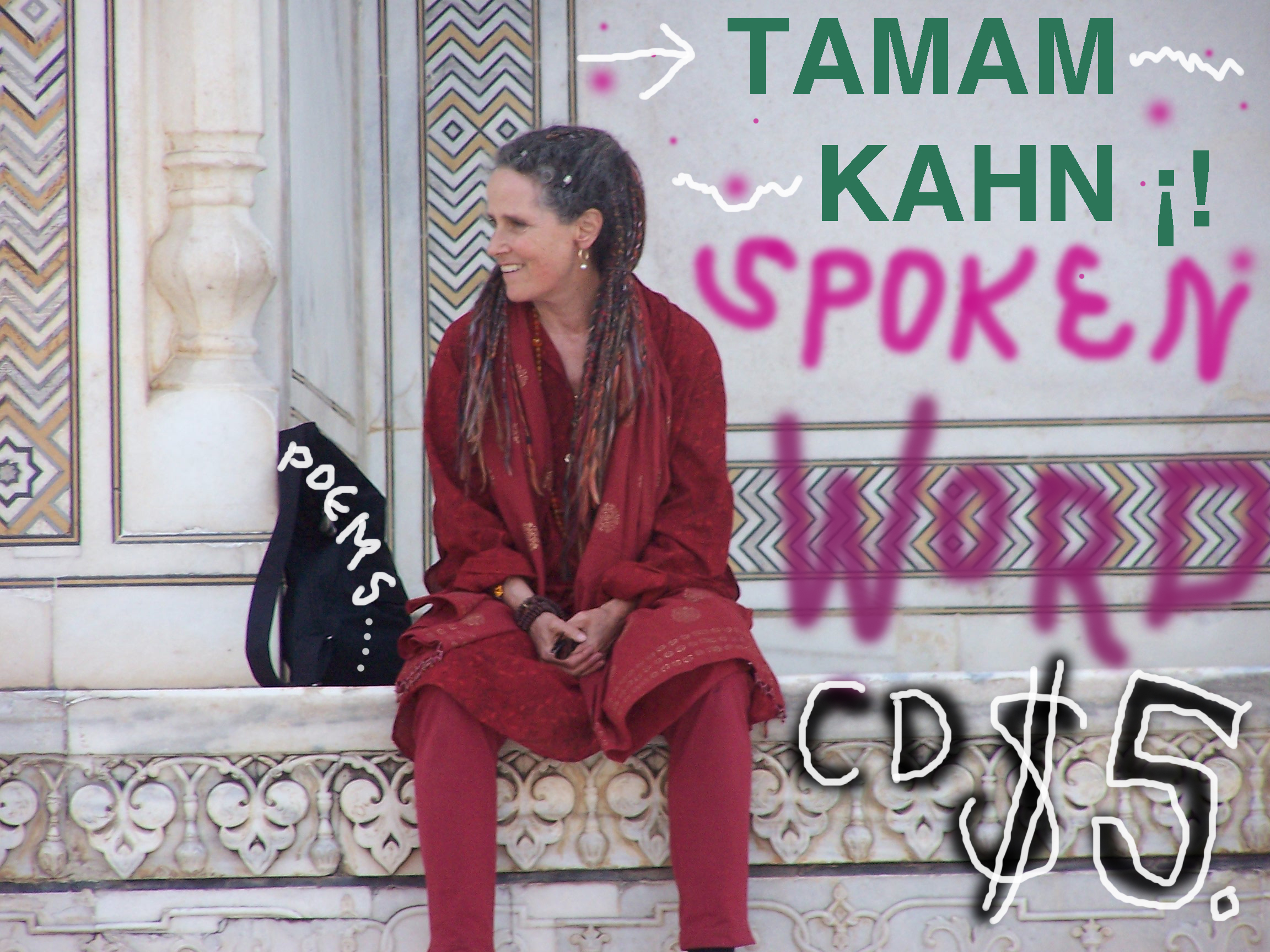
CDs for sale, "The Women with Muhammad"

instructions for Jahiliyya

I gave a book reading – introducing my book, UNTOLD,  in Portland on Thursday March 17th at the New Renaissance Bookshop, a wonderful counter-culture bookstore very different from the famous Powells City of Books, downtown.  Shabda offered a Sufi retreat over the weekend and invited me to give a presentation Sunday Morning. I kept it to 20 minutes and offer it here as an audio file.       <> TamamTalk3-30-11<>

As for the crocodiles, they seem to appear in all their reptilian glory when I say the magic word – JAHILIYYA, an Arabic term for a time that had an attitude. The time before Muhammad brought the antidote of al-halama — mild gentleness, nurturing love. One you might recognize in its own form today in some political moments. Here’s the poem:

instructions for Jahiliyya

…the jahil, a wild, violent and impetuous character who follows
the inspiration of unbridled passion and is cruel by following his
animal instincts; in one word, a barbarian. Ignaz Goldziher

Know you are right.
Think fist and knife-edge.
Do not appear
foolish, no matter what.

Control your woman
and your guests; keep them
a little afraid, and thankful
for your protection.

Guard your clan’s
honor. Carve a notch
on your weapon of choice
for each successful pay-back.

If someone calls you animal,
smile and answer — lion,
hyena, crocodile, fighting cock—
the meek are the pack animals of the ferocious.[i]

from Untold, A History of the Wives of Prophet Muhammad by Tamam Kahn, Monkfish Books 2010.

[i] Jahiliyya is an important term, usually mistranslated as “the time of ignorance”, instead, Ignaz Goldziher argues, He sees it as barbarism, not ignorance, citing halim (mild), not ‘ilm (knowing) as the opposite term. He quotes an old Arab proverb: The meek is the pack animal of the ferocious (al-halim matiyyat al-jahul.) He devotes an entire chapter of his cited book to this subject. ~~~

There is always the lion, hyena, and fighting cock and that juicy word “ferocious.” Keeps me on my toes.  <>


Thoughts and a poem on the Middle East

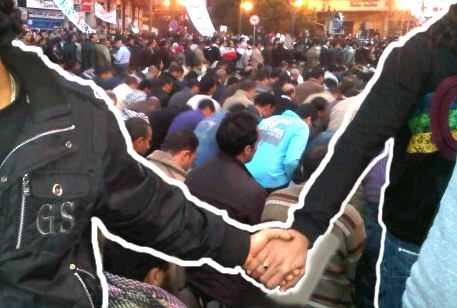
Coptic Christians protect Muslims as they pray in Cairo

This photo was originally posted on January 25 by Nevine Zaki, and went viral. Here it has been cropped and the circle of protection is photoshopped. It is a moment to dwell on. Cairo, where the factions joined  with the intention of a pro-Democracy outcome. Coptic Christians and Muslims have been part of the same family since Mariya-the-Copt gave birth to a son, Ibrahim on January 24, 632. His father was Prophet Muhammad. Ibrahim lived for almost 2 years, joining the two families.

It is moments like this that give hope as the old order in the Middle East feels increasing pressure from the youth and unemployed.

The Cork ~ by Tamam Kahn

The Arab world is

a fist on the cork

of the bottle.

The young twist, yank at the cork

make small popping sounds

anticipating the foamy spillage

– like Egypt and Tunisia –

dangerous and heady,

street blood and libation

mixed,

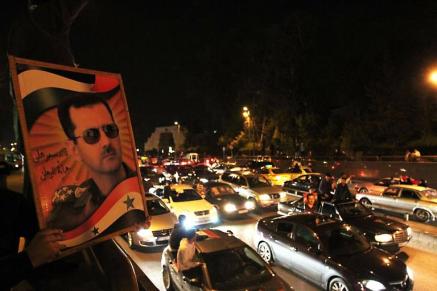
pro-government crowd in Syria

while each regime

grips

the neck,

towel

over cork

hold-

ing

on for dear life,

looking

with dread

at TV mobs

as each country’s unemployed

shake the bottle. Shake and shake.

Youth on facebook, in the square;

they press thumbs against

the small cylinder

as voices rise.

Everyone knows – God knows –

drinking bubbly is forbidden

in Arab countries.  <>   <>


<> May the people of Syria, Yemen, Bahrain, Jordan,  and other places of unrest be safe! <>