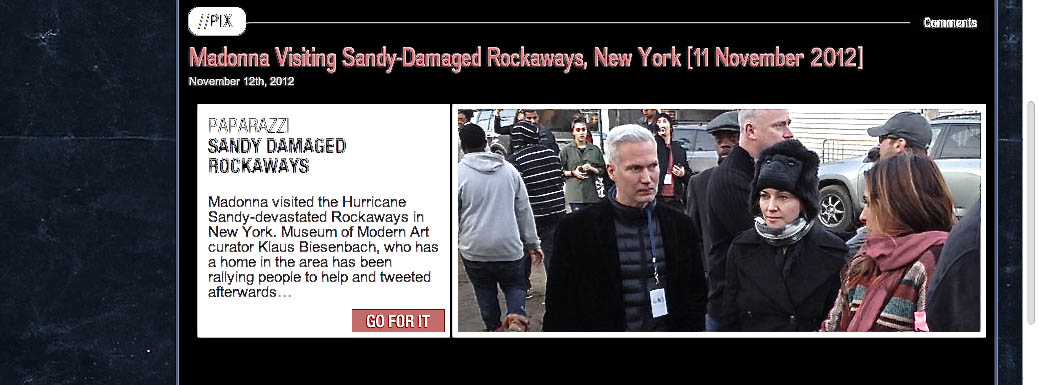
“I went down to Rockaway Beach yesterday with my children and we saw what was going on there, we saw the destruction,” she said. “It was really sad but we also saw amazing acts of humanity. People sharing with other people, people working hard, cleaning houses, handing out food, blankets giving love and a hug.” Madonna
This October 8 I gave a reading in Tribeca, NYC. A new friend, Ishwari, bought my book and gave it to the director of Brooklyn Art Council, Dr. Kay Turner. I looked her up. Dr. Turner loves Folklore as “the oral basis of culture, bringing the past into the present…,” she mentioned in an interview conducted by Diana Taylor for HIPP, NY.
Here’s where I pick up the thread. Kay thanked Ishwari with an email that said this:
“I am devouring Untold. I love it! Thank you!!! You will appreciate that I took it with me to Madonna’s concert on Monday night. To read about the Wives while I waited for Her!! Ha! Xok”
Best book review I’ve gotten. Thank you Kay! Pop Royalty and the royalty of the 7th Century – together – at Madison Square Garden…. oh, yes. It makes me smile.
And this on the concert: from reviewer Cory Midgarden: [November 13th for MTV online News]: NEW YORK — “Madonnafans were in for a treat Monday night when the Material Girl packed Madison Square Garden for her MDNA Tour. While concertgoers waited for more than an hour between her set and her opening act …. it all proved to be worth the delay once the original Queen of Pop took the stage.
The 54-year-old confirmed the title was still hers as she opened the night wearing a black skintight ensemble that was hard to imagine Britney, Beyoncé or Gaga pulling off in 25 years’ time. But it was not just her flawless appearance that garnered ear-piercing screams throughout MSG. As Madonna worked the crowd with her single “Girl Gone Wild,” it was clear to everyone in attendance that they were in the presence of pop royalty…. The mood changed dramatically before her performance of “Masterpiece,” however, where Madonna expressed her condolences for those affected by Superstorm Sandy.”
Please! May we all continue to send prayers and help to those who are still suffering from this terrible storm. <>
I’ve been at Ragdale Foundation residency as a writer for the last two weeks. Tomorrow I leave this succulent green view from my window in the historic Barnhouse, the quiet brick courtyard below, familiar yellow walls, the ample desk, and the comfortable bed piled with papers, for my life in California, with its warm afternoons and demands on my time.
kitchen remodel, Ragdale main house
Every night but Saturday, Linda prepares a careful meal. Last night stuffed eggplant, gluten-free biscuits (she baked), salad and a chocolate-y desert. There’s wine, for those who wish. Barbara and Allison – both artists and Brett – non-fiction writer join me for dinner, the social moment of the day. Roland was here for the first week while he put the finishing touches on the renovated main house. Howard Van Doren Shaw, the architect made this his summer home around 1900. The restoration is complete and beautiful. Writers will stay there in the coming months.
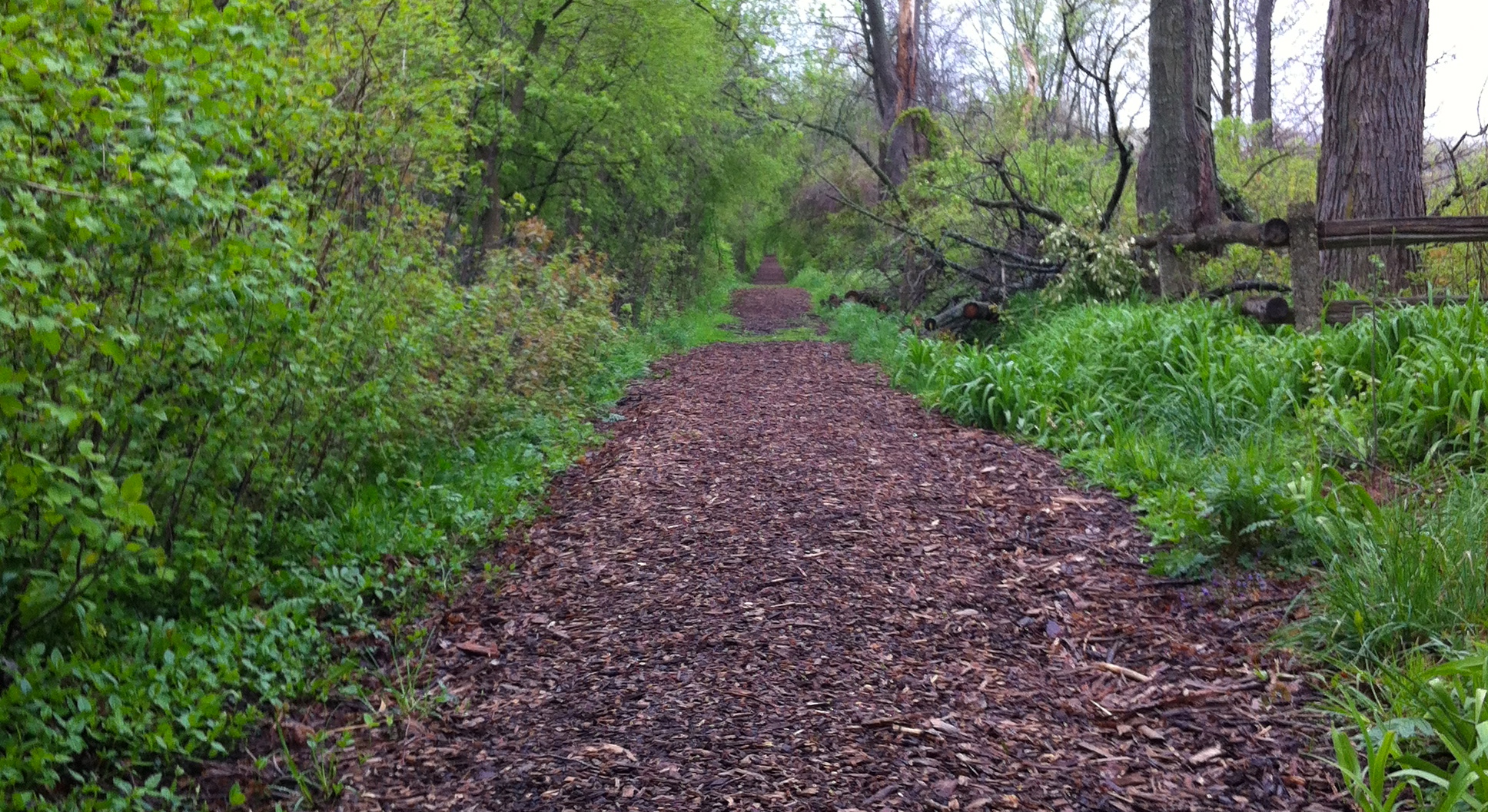
For two weeks I’ve had a routine. I write, then wrap myself against the forty-something degree chill, and walk on the prairie trails, write and eat and write. At night I choose a book from the vast library and read. Tonight it will be Mommies Who Drink, resident Brett Paesel’s funny funny book, and New and Select Poems by Gregory Orr, poems written in the seventies.
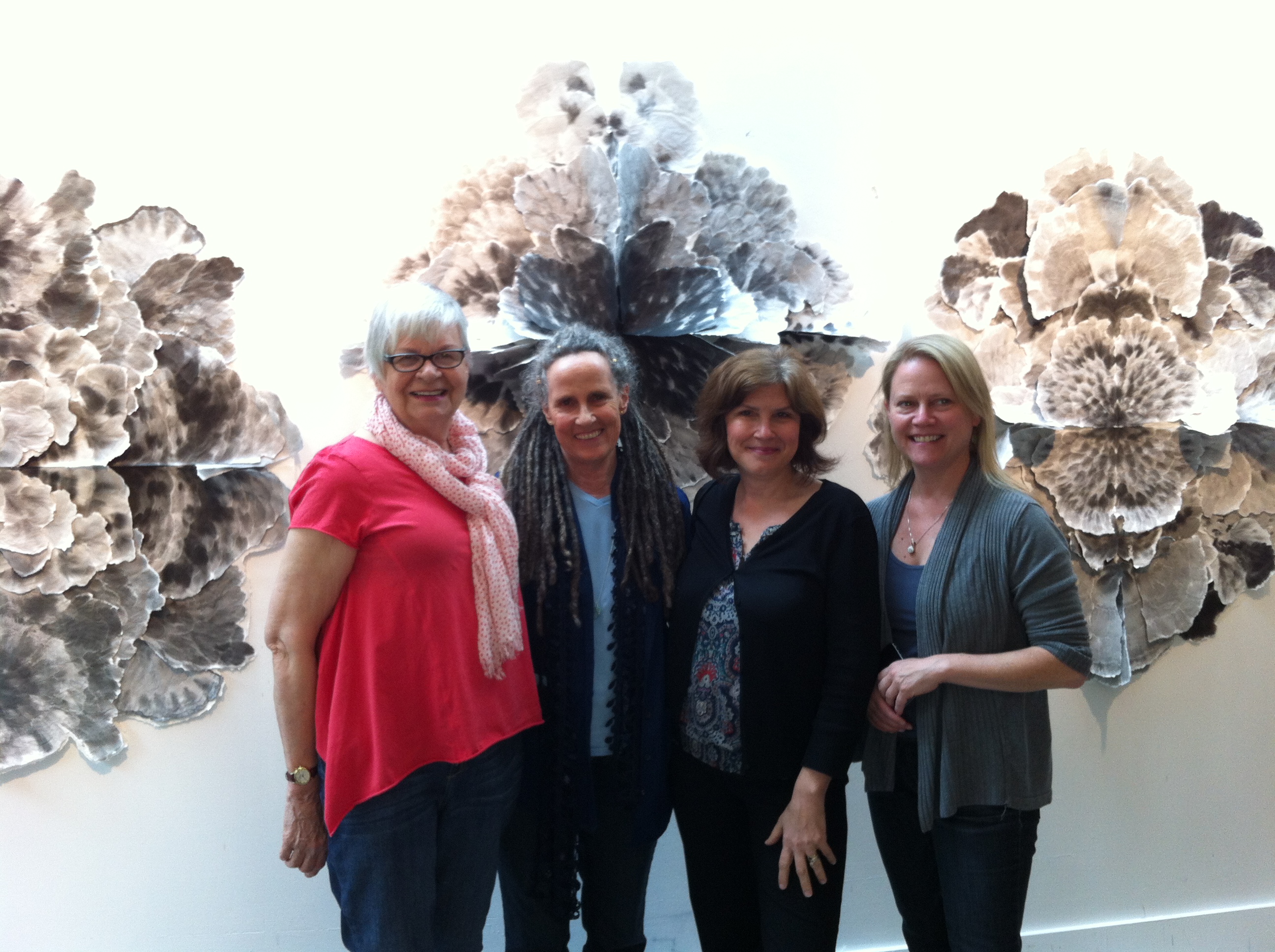
Barbara, me, Brett, Allison
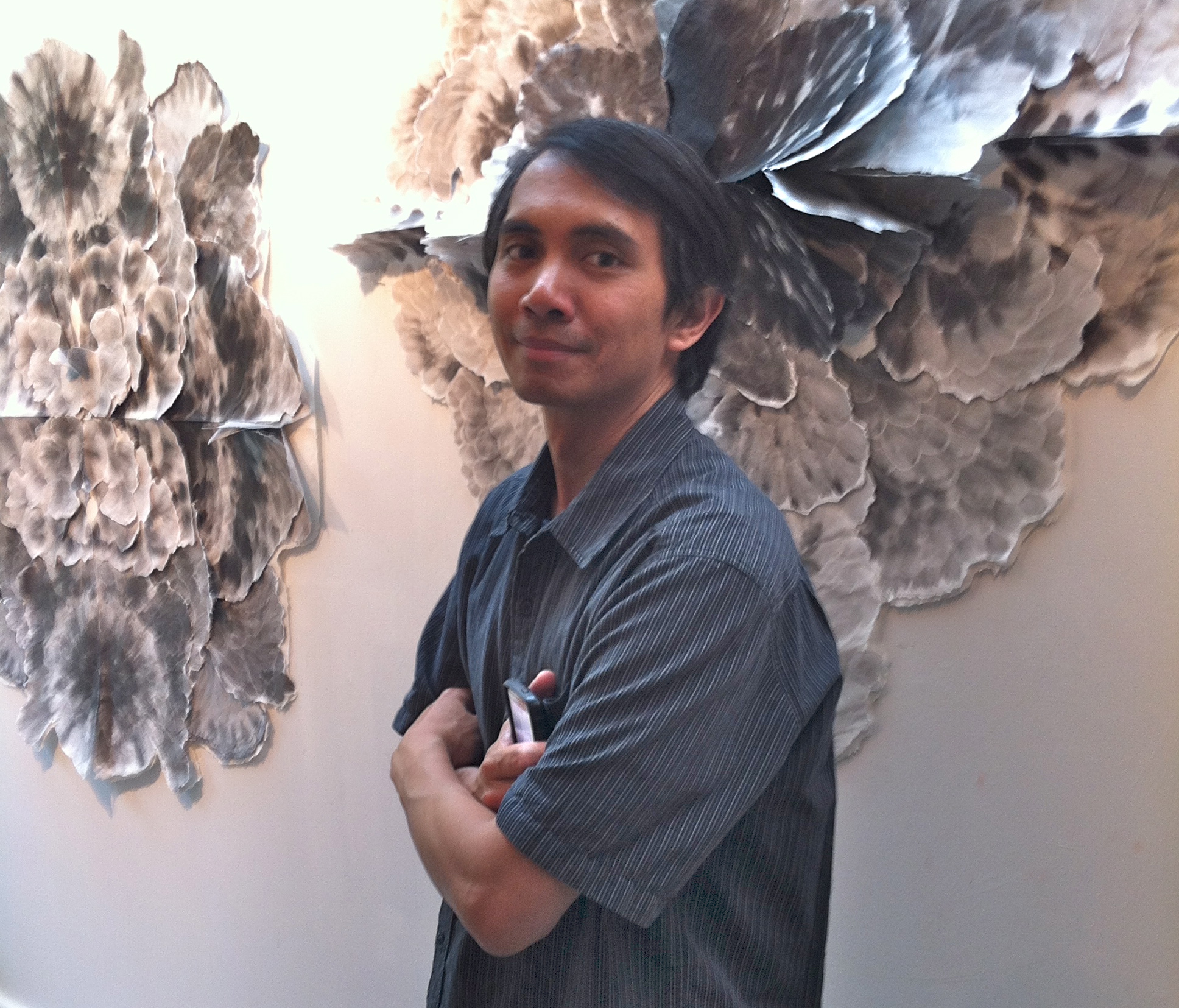
Allison’s beautiful pieces light up the wall behind the 4 of us. My work has blossomed in this gentle place. Today I just sat down and wrote a poem. Straight through. An hour and fifty minutes. Usually a poem will take me all day long, in fits and starts. Me running down the stairs to print it out, then back for more revisions. Here is a sample:
Tell me darling Fatima, something about
separation. That weaning you are named for is good.
We are all homesick for before.
…The milk of knowing has nourished me.
Separation has passed through me.
I am home.
Regin Igloria - Director of Artists in Residence
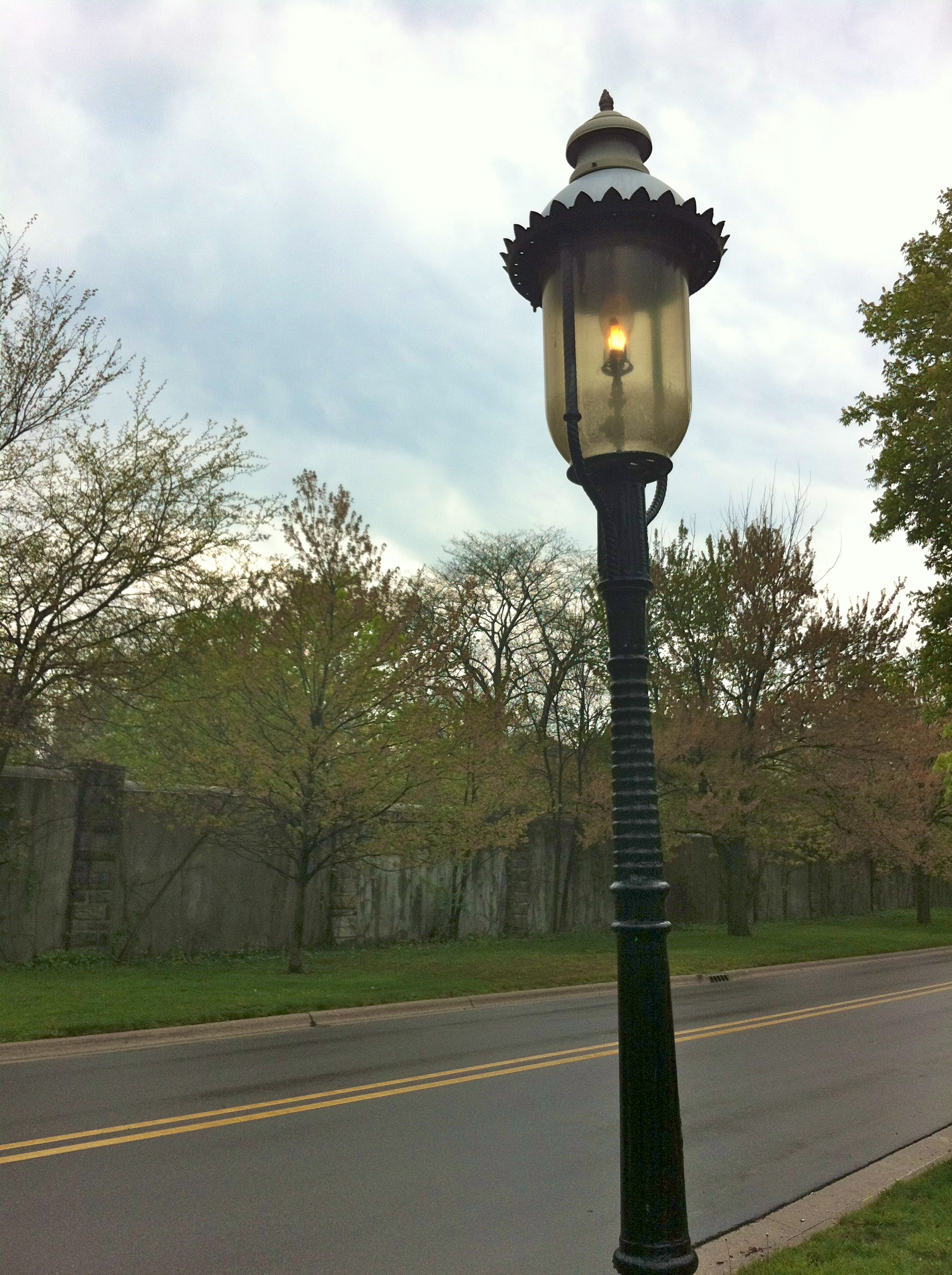
There’s a strange thing about this place. Along the straight long trail, I see the roof of the hospital where I was born. I lived here 21 years after that, and haven’t been back since the early seventies. Some part of me is at home here every day. Lilies of the Valley like my mother had around the back porch, the old gas lights on Greenbay Road. Elm trees. Thank you Ragdale!
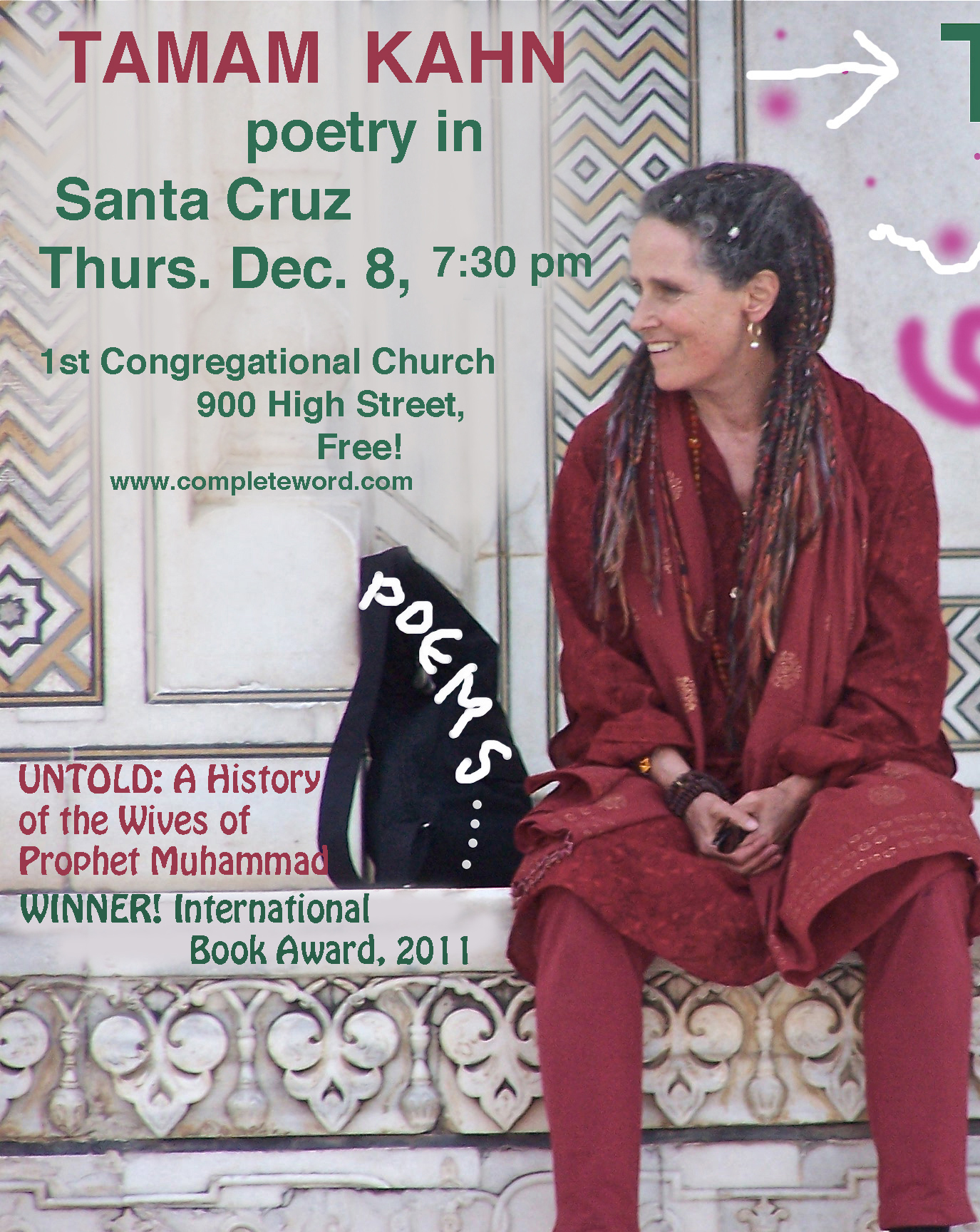
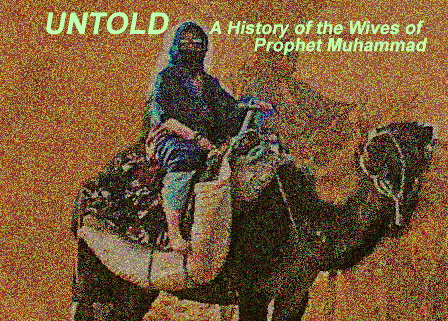
This Thursday evening I’ll talk about poetry and read the new material I’ve been writing.. Over the last year I’ve spoken frequently to promote my book, Untold, which is going into its second Christmas season. I just sent one book to Western Australia, one to Reading, England, and two to Rabat, Morocco, and I still love to talk about the stories and read poems about the first women of Islam.
Here’s a new poem about Fatima, the famous daughter of Prophet Muhammad. I’ve taken a description which comes from a hadith [canonized conversations by Muhammad and his inner circle].
“Fatima would glow. Her (other) name, Zahra, means radiant. Three times each day she shone: on those in morning prayer and on the people in their beds. Their Medina walls turned white. They asked the Prophet why, and he sent them to Fatima’s house where she prayed. The light radiated out from her. The light of her face shone on the people of the heavens and the people of earth… When she lined up for noon prayer her face shone yellow and all those in the line shared that glow. At sunset, her face took on a reddish color, entered the rooms and the walls glowed pinkish red. The light did not leave her face until Husayn (her youngest son) was born.” Fatima, Daughter of Muhammad, Christopher P. Clohessy, Gorgias Press, 2009.
Shine, a sonnet
~After Robert Frost’s The Silken Tent
The shining happened every day, in tent
And hut, in every room. It seemed the breeze
would linger there, as Zahra’s glow relent-
lessly lit up those praying, those at ease.
That light reached sky and earth just like a pole
star, glowing here and gleaming heavenward.
Her face. At dawn so white, it bleached the soul
of doubt. By noon-prayer yellow plucked a cord
of joy. As if the women there were bound
in Zahra’s golden ties of love and thought.
And when the swallows flew as sun’s round
ball turned red and sank below the taut
line of the earth, red stayed in land and air;
Zahra’s face shone conscious and aware.
Robert Frost’s poetry t is entwined with this poem. Look at the last words, all 14 of them. If you get a good last word, it helps with the process of a sonnet and in this case each end-word is found in Frost’s famous and beautiful Silken Tent. There may be a term for that kind of poetic borrowing. I don’t know. But writing inside Frost like that felt like moving down a playground slide. It’s a gratifying exercise.
The other poetry I’ve been working with is Blank Verse. I talk about it in my last review G. Schnackenberg’s Heavenly Questions. You can read my new poem in iambic pentameter, Bequest, at the on-line Literary Journal, Scythe: Fall, 2011 –Tamam Kahn <http://scytheliteraryjournal.com/>
I’ve moved the reviews I’ve been writing to a tab at the top of this site called, “REVIEWS.” I hope you will visit the authors I am sharing there. <>
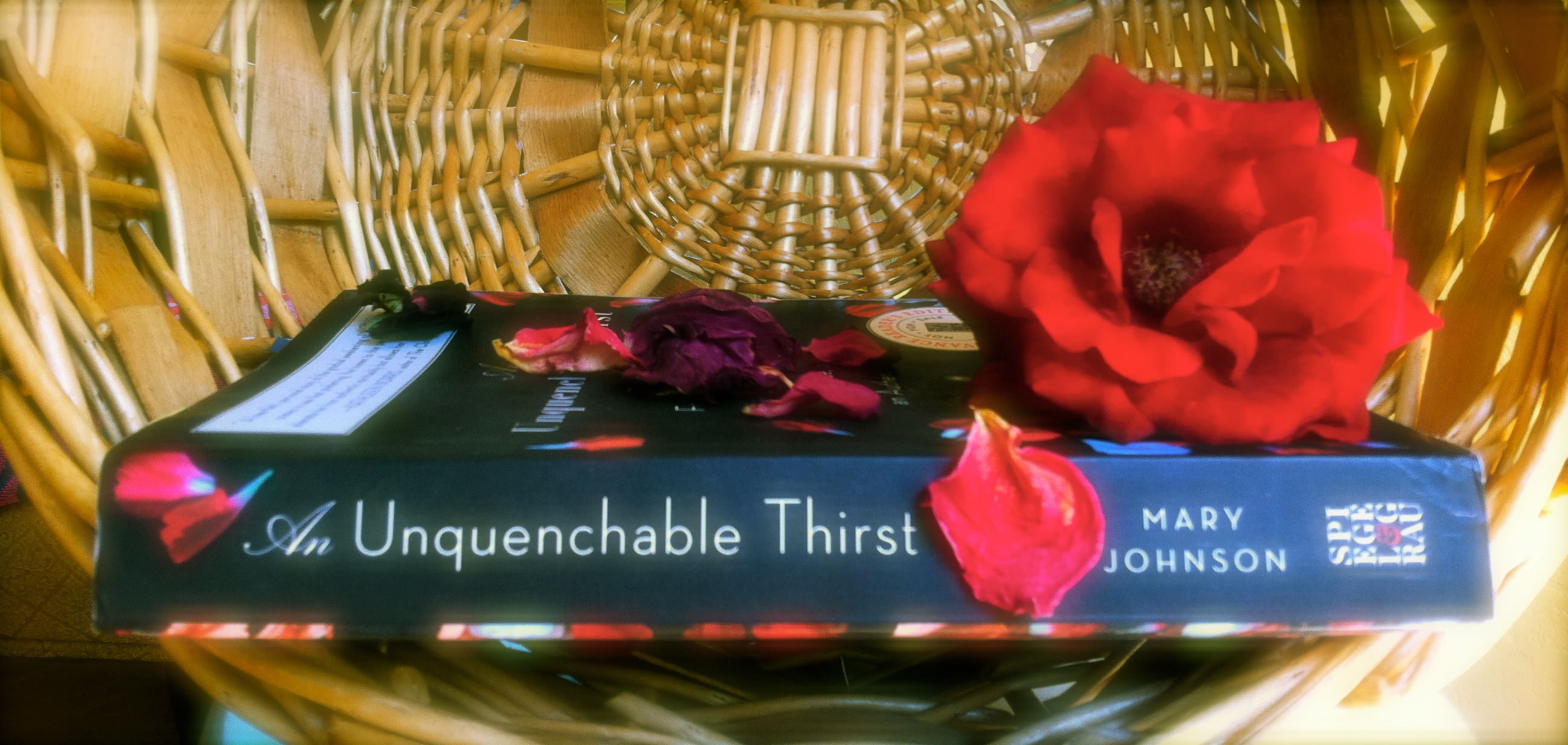
An Unquenchable Thirst: Following Mother Teresa in Search of Love, Service, and an Authentic Life by Mary Johnson. Spiegel and Grau, an imprint of Random House, 2011. <>
In an interview Mary Johnson said, “Even when you enter a convent you are still a human being with all sorts of things happening. We have to start talking about that.”
Her publisher, (Spiegal & Grau) was overjoyed with the book, “We all marveled at how it – Unquenchable Thirst – spoke to us, no matter what our religious background, age or gender… Mary was a rigorous and learned thinker on the most vexing and mysterious and essentially spiritual questions.” Words by publisher, Julie Grau in “First,” a 6-page article by Eryn Loeb in Poets and Writers, Sept/Oct. 2011.
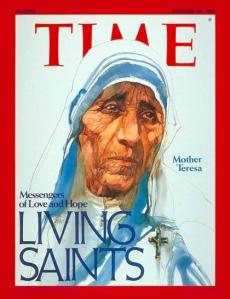
The picture that began the journey...
The bar is set high. Mary – who comes to be known as known as a Missionary of Charity (MC) named Sister Donata – is longing for an authentic life. She stays on her point. But how much authenticity can an enormous organization carry? Mother Teresa was the embodied inspiration linking multiple mission houses to help the poor all over the world. By 1996, at age 86, she was operating 517 missions in more than 100 countries, each run by sisters aiming to be devoted brides of Jesus.
Sister Donata is in the matrix of the activities. “ I looked at the shoes outside the door –– Mother’s ragged, repeatedly mended sandals next to (Princess) Diana’s shiny black pumps.”
The author gets you to care about how she will continue against the difficult circumstances that are present from her first days as an Aspirant. She sheds each skin so naturally that you, the reader, are now in New York City, now in Washington DC, now in Rome and this girl from Texas has become fluent in Italian and is helping the Romany (Gypsy) children there. You are applauding on the sidelines, but then she is too happy with her work educating those children who had never been taught anything but street-life, so her superiors take that away from her. Being humble and holy is more important to these nuns than using knowledge to help the poor. Pride. Sin. Sister Donata is up against the formidable hierarchy within the organization, which makes authentic life very challenging.
The unkind high-ranking sisters create stern distance between themselves and the newer women, a distance, she says she will erase in favor of being kind and compassionate – if she is ever in that position. But when she becomes the “mistress” some students take advantage of her kindness.
Earlier on, there is the moment she is working with the wild inner-city kids in D.C. She has 60 of them. She asks who has been in a fight, and nearly everyone raises a hand: “And what do you do when someone else picks a fight?” “Kick their ass,” a boy in front shouted… And who knows what Jesus said about fighting?” All faces went blank….” Jesus said, ‘When someone slaps you on the right cheek, turn the left.’” “…we have to be peacemakers even if it’s hard. The point is if someone’s mean to us we don’t fight back and make it worse.” Derrick looked at me as though I were crazy. Most of the little kids looked blank. They would need time to digest this.”
Then in the middle of this fragile, nonviolent work she is introducing, one of the other sisters starts covertly hitting the children when they misbehave…
Most difficulties encountered in the daily life of a MC did not seem to have the support of the superiors. Rules and more rules, punishment and taking yourself to task were regular fare. A sympathetic priest suggests a Twelve Step program to Sister Donata, and offers to introduce it as the subject of his weekly talks to the sisters. “The twelve steps use sound spiritual principles – they’re good for anyone who is trying to grow,” he tells her. Conscious growth is not a topic Sister Donata has encountered. She divides her sisters she is guiding into groups called, “Sinners Anonymous.” This seems to be a useful tool, next to the path of striving for spiritual perfection – and repeatedly failing. She bravely shares with the reader her discoveries, as a young nun, of her own sexuality and how she is on her own dealing with it.
It is shocking how the system fails to make use of knowledge and natural gifts. Sister Donata is great with children and young novices. She has spent 3 years studying Theology at prestigious Regina Mundi, part of Gregorian University, just blocks from the Vatican in Rome. After that she was assigned to work on Mother Teresa’s writings for a short time. Then there are political moments, and she is re-assigned as ground level organizer arranging visas and travel tickets, buy and pack supplies for the missions and deal with “hordes of sisters newly professed from Calcutta and Africa and Rome, sometimes even from the Philippines and the States –– it was a zoo.”
The grit in this book is in every chapter, but it becomes tactile as she begins to see the distance between her idealistic, expansive view and the wedge of strict, small minded people who influence Mother Teresa. Then there is disappointment in the woman who was her inspiration for years – Mother, herself.
“I can’t do this anymore. I couldn’t be the spouse of Jesus crucified. I wanted to be Mary Magdalene discovering the empty tomb in the garden, hearing the Lord call her name. I wanted to be the spouse of the One who said, I came that you may have life, and have it to the full.”
This is after her powerful dream of the potter as Creator, who breathed life into each of her creations and set them out in the world. The last one was a girl with glasses. The potter decided to keep her on the shelf – after breathing life into her – and that little person was Sister Donata, who shouted and began to cry, “I want to go (into my life)…” But she was ignored.
“Sometimes I dreamed of helping the Society return to Mother’s emphasis on love, but I didn’t want to settle for being a good influence on individual sisters in a bad system.”
Mary Johnson
So after 20 years as a Missionary of Charity, Sister Donata leaves the world of Mother Teresa’s Missionaries of Charity and re-enters secular life as Mary Johnson. Her careful reflections on that time became this beautiful, though-provoking book. I marked UnquenchableThirst with over 60 markers, each page-flag an indication of something that might be good to share in a review. Sadly, I had to make difficult choices. You’ll have to get the book to read the rest.
May the words in this book reach far and wide! <> <>
I am curious to find an award category for my book: Untold. Never mind actually winning, I’m just looking for a match. In the words of the late Ogden Nash, the book is a churkendoose – chicken, turkey, duck and goose. It is poetry, but it’s not a poetry book. It is biography and academic history, and yes, women’s studies. The alchemy is powerful and forges it into a what? Non-fiction women’s historical biography.
The words “Prophet Muhammad” are in the title. That makes it a bit edgy like Black History, only Martin Luther King is more PC with many Americans.
I love this book because it moves toward easing tension between the Islamic world and the USA. Is there a slot for that important job in the arena of awards? Then there is the chapter on the Jewish wives. Wouldn’t it be great if everyone acknowledged that Prophet Muhammad had two Jewish wives? Israel, for instance? You can see how this book may be sitting alone somewhere.
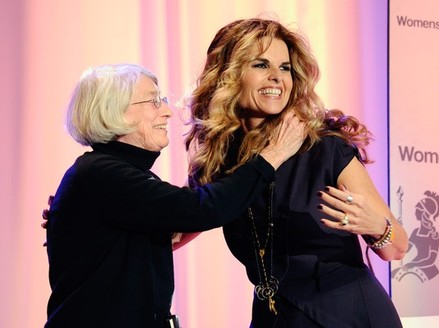
California first lady Maria Shriver introduces Pulitzer Prize and National Book Award winning poet Mary Oliver (Photo by Kevork Djansezian/Getty Images)
There’s always big American prizes for literature and poetry, with Mary Oliver hugging Maria Shriver on the right. Here are some less well known acknowledgements:
FAB Book Award (Burntwood Secondary school award – winner chosen by the students). I love the name of the award and wish I could talk to them.
Brass Crescent Award (this promotes the best writing of the Muslim Webblogs). That’s good, but then there’s The Frederick J. Streng Book Award, limited to Buddhist – Christian books.
The esteemed Anisfield-Wolf Book Prize…”understanding of racism and our appreciation of the rich diversity of human cultures…” But I’ll bet you need to be a person of color to even be considered for that.
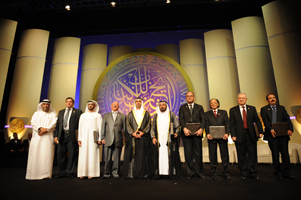
Here’s one that I’m sure has never been won by a woman: The Sheik Zayed Book Award, “one of the most prestigious and well-funded prizes in the Arab world,” named after the deceased ruler of Abu Dhabi. Last year’s literature winner was Dr. Ibrahim al-Kawni, Libyan author of The Call of What Was Far.
The Humbolt Research Award is for an academic. The Middle East Studies Association (MESA from University of Arizona) listed more than thirty books on topics that seemed similar to Untold, but every single book had a University Press behind the title, like the poetry prizes awarded only to MFA graduates. Forget it.
For The Arab American Book Award you need to be an Arab – it’s not books on Arab themes in America.
The only possible thing I found was IBA International Book Awards, “Honoring Knowledge, Creativity, Wisdom & Global Cooperation through the Written Word.” That sounds good. The deadline is April 30, 2011.
Words from a poem by Naomi Shihab Nye “For the Five-Hundredth Dead Palestinean, Ibtisam Bozieh”
It’s one thing to see videos of the square in Cairo, but another to put a face to the violence which flashes like a lightning storm here and there, taking precious human life.
There is just one letter in Arabic that separates the words “witness” and “martyr.” Let’s imagine Egypt as a country of witness for democratic change instead one whose streets splash red with the blood of martyrs! ~May it be so.
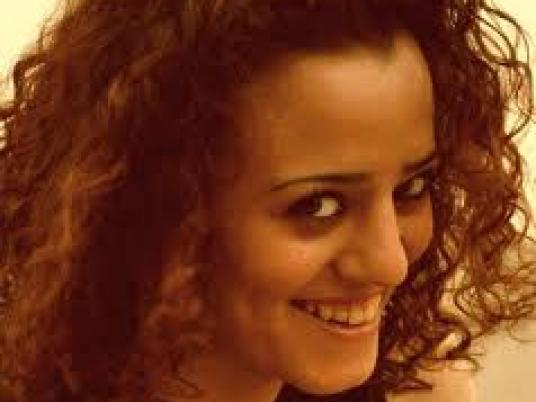
I stared at the vibrant photo – the face of Sally Zahran, age 23, smashed on the back of the head with a baseball bat in Egypt on Friday evening, January 28th by political thugs. That would be Friday morning California time, during the time I drove to the hospital to visit my husband who was recovering from surgery. Or maybe I’d arrived and bent down to kiss my living, breathing beloved (who grows stronger every day.) My attention was not in Egypt.
Sally grew up in Cairo and was working as a translator there. During the unrest she had traveled far south to Sohag, where her father is a university professor. The small city on the west side of the Nile gets 3,804 hours of sunshine a year according to Wikipedia.
She was never an activist, and had not taken part in political protest. Sohag has both Coptic Christians and Muslims. Magdy may be a Coptic name, connecting Sally to this tradition which links to Prophet Muhammad by means of his beloved Mariya, the Copt, mother of his son, Ibraham.
“She felt it would be safe to join the protests. So many others were going out on Friday,” said her friend Aly Sobhy. “She was loved by all who knew her.”
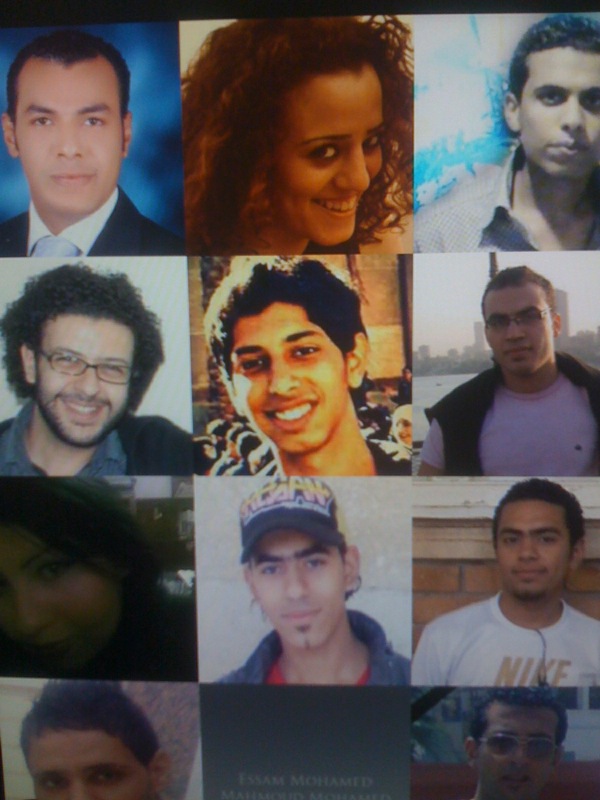
some who have died in Egypt
See “Egypt Remembers” page on line: <http://1000memories.com/egypt> shows photos and a word or 2 about the dead – nearly all under the age of 30, now martyrs to the cause of democratic change in Egypt.
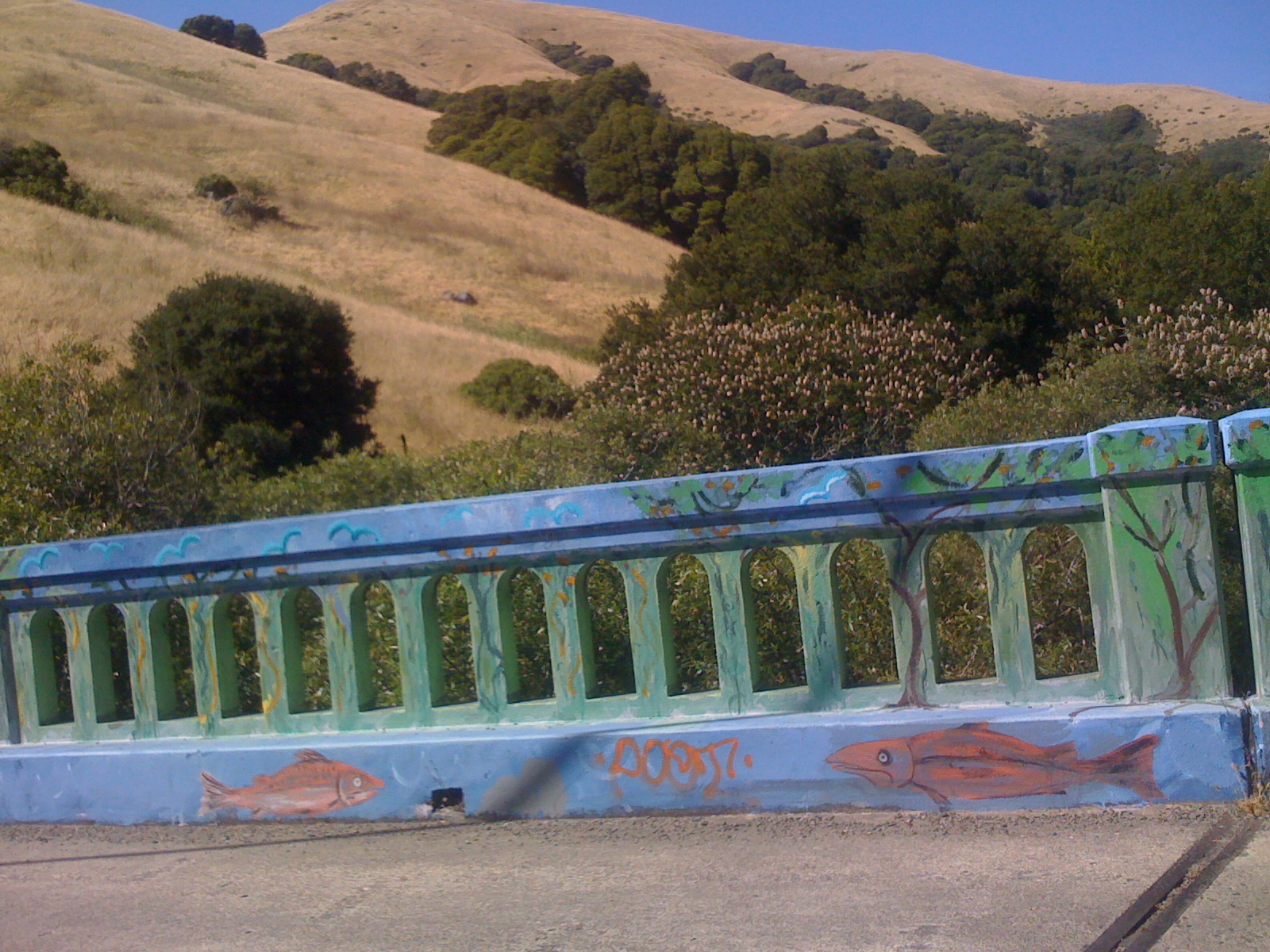
...on the way to Point Reyes Station, Sunday afternoon
Today I got a computer message from Caroline Casey, my favorite visionary activist, inviting me to her Trickster Training Tea Party at the Dance Palace in Point Reyes Station. She writes in her invitation (white on purple):
Calling all Compassionate Tricksters to convene in pre-Solstice back-stage Council at this cataclysmic time, to be guided by the sky story of now, that our grief may fuel our deeper dedication to a culture of reverent
Caroline Casey
ingenuity. The word “culture” primarily means what we grow or cultivate in the soil and, by analogy—in our souls. So—let all natural facts be social strategy metaphors. Let’s slow down to speed up. The more we slow water down, the faster it infiltrates. We gather in just that manner. So bring natural facts, and we will tease them into trickster strategy….
She shared the afternoon with David L Grimes who describes himself as Alaskan bard, musician, songwriter, storyteller, mariner, environmental activist, wilderness guide, former commercial fisherman and wandering fool. “I have howled with wolves, run from bears and co-habitated with killer whales…” You get the picture – a “Mr. Natural” trickster. David had experienced the Exon oil spill firsthand and had calming wisdom to share concerning the terrible BP disaster which it seems all of us carry these nearly 60 days, oily blotches of sorrow. He mentions that the Exon spill stopped deforestation of parts of Alaska by the timber agency, by means of Exon’s clean-up funds. He sang us a beautiful ancient-sounding ballad. He told us to look from the earth’s perspective with long vision.
Caroline spoke. Ah, the s-l-o-w water. The slower it goes, the cleaner it gets before it reaches the ocean. We need to borrow from the intelligence of nature and slow down our lives… find a sacred cow and milk it. Let Bagwans be Bagwans.
Solstice. All solstices have traditionally been weddings, Ms. Casey tells us. This one concerns “…all that has been falsely estranged coming back together” for healing and uniting, environmentally, politically, and in ourselves as well. [This paraphrasing from my notes is so stiff, compared to the stunningly brilliant, fluid and funny words that Caroline speaks, how she names our cultural angst, then brings in the positive, or has someone sing a song to get us away from thought, into our positive feeling places.] The audience just looks lit up, and that’s fun because when you listen to her on the car radio on the Thursday Afternoon Visionary Activist show you can’t see the faces of the other people listening. Yes, the radio show! I was there because she wrote me that she wants me to do a show with her on my book, Untold, and talk about the Prophet’s wives. We decided that August before my Bay Area Bookstore readings would be best. Stay tuned. I drove awaythinking about this: “Suck the G out of “kingdom” and blow it back out, what have you got? KIN-DOM. That’s what we want… We are all kin.
As I drove through upper Nicasio I did a bold thing. Caroline had awakened the anything-is-possible state of mind. I drove up the Nicasio driveway where I lived in a tent in 1968 in Bob and Diane Emory’s yard, just up from Lucas Valley road in the redwoods. I snapped a picture of the place where my tent was, felt that place on the earth where, years ago
tent spot, 1968
I had lived. Felt it. Then carefully turned around at the top of the steep dirt road and drove down, remembering driving down the driveway on those nights where the destination was the Avalon Ballroom, or Winterland, or the Fillmore. I heard that music all the way home.

 The 54-year-old confirmed the title was still hers as she opened the night wearing a black skintight ensemble that was hard to imagine Britney, Beyoncé or Gaga pulling off in 25 years’ time. But it was not just her flawless appearance that garnered ear-piercing screams throughout MSG. As Madonna worked the crowd with her single “Girl Gone Wild,” it was clear to everyone in attendance that they were in the presence of pop royalty…. The mood changed dramatically before her performance of “Masterpiece,” however, where Madonna expressed her condolences for those affected by Superstorm Sandy.”





 CompleteWord